
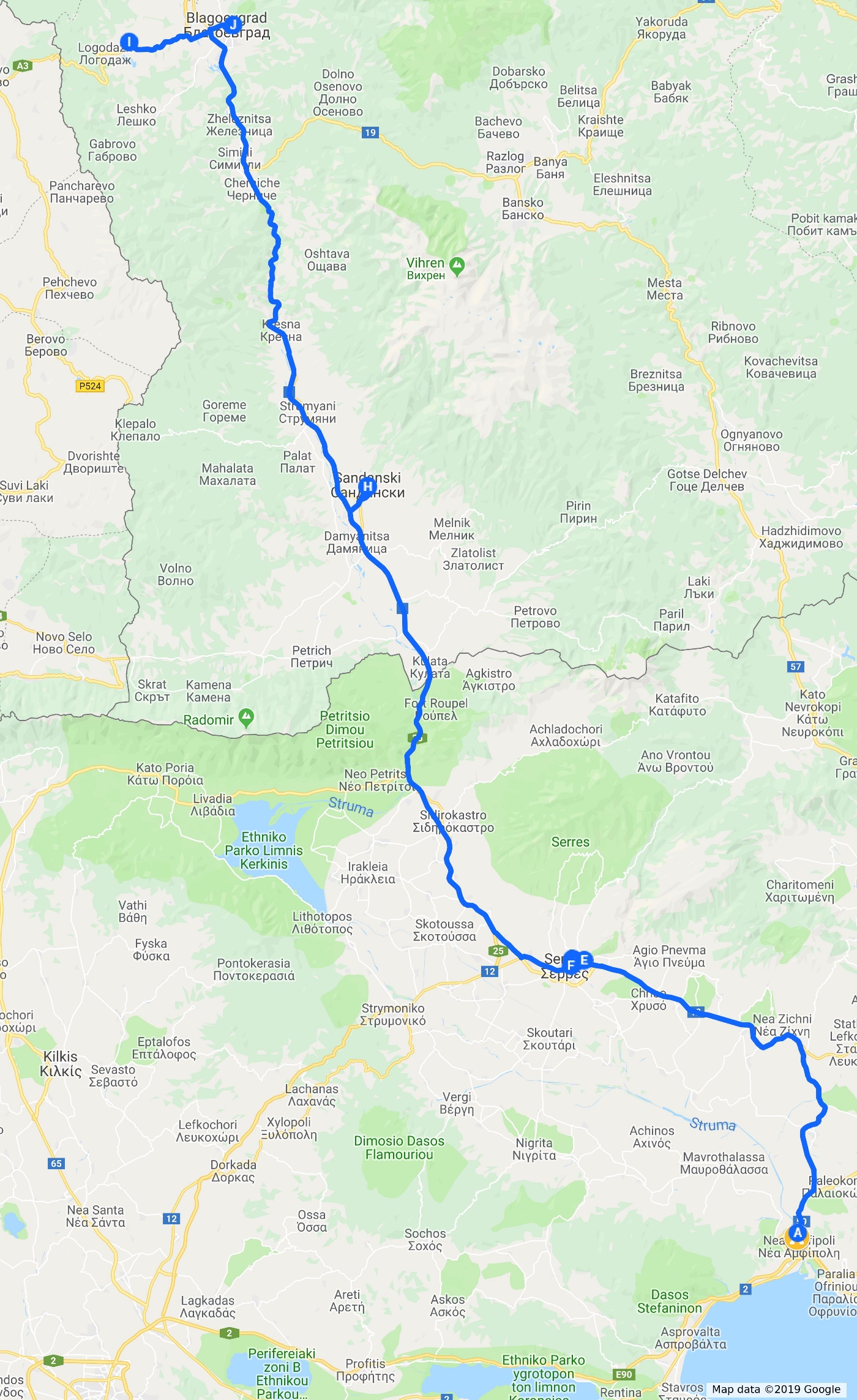
We begin our journey from the ancient city of Amphipolis, located at the mouth of the Struma River, along the north Aegean coast.
In the area of Nine Roads opposite Amphipolis there was an important ancient settlement, an important crossroad center in antiquity since the time of the Iron Age.
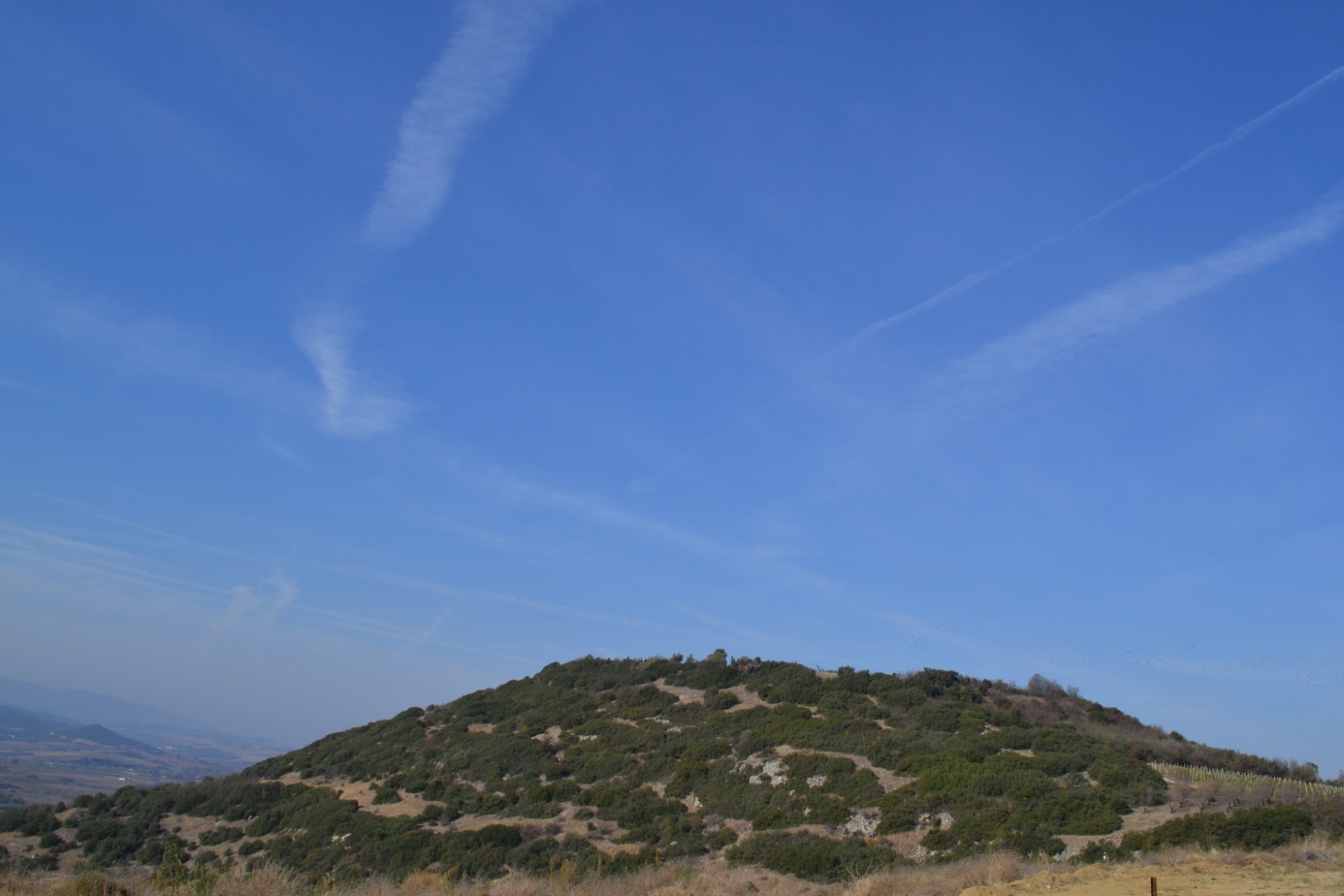
Appreciating the important strategic importance of this region the Athenians managed to found their colony Amphipolis in 437/436 BC after two failed attempts.
The city was built high on a hill and on both banks of the Struma River, from where it took its name. The city controlled the whole region along the Struma River, part of the ancient road, known during the Roman era as Via Egnatia which led to the interior of ancient Thrace. Amphipolis also controlled gold and silver mines in Pangaion Mountain.
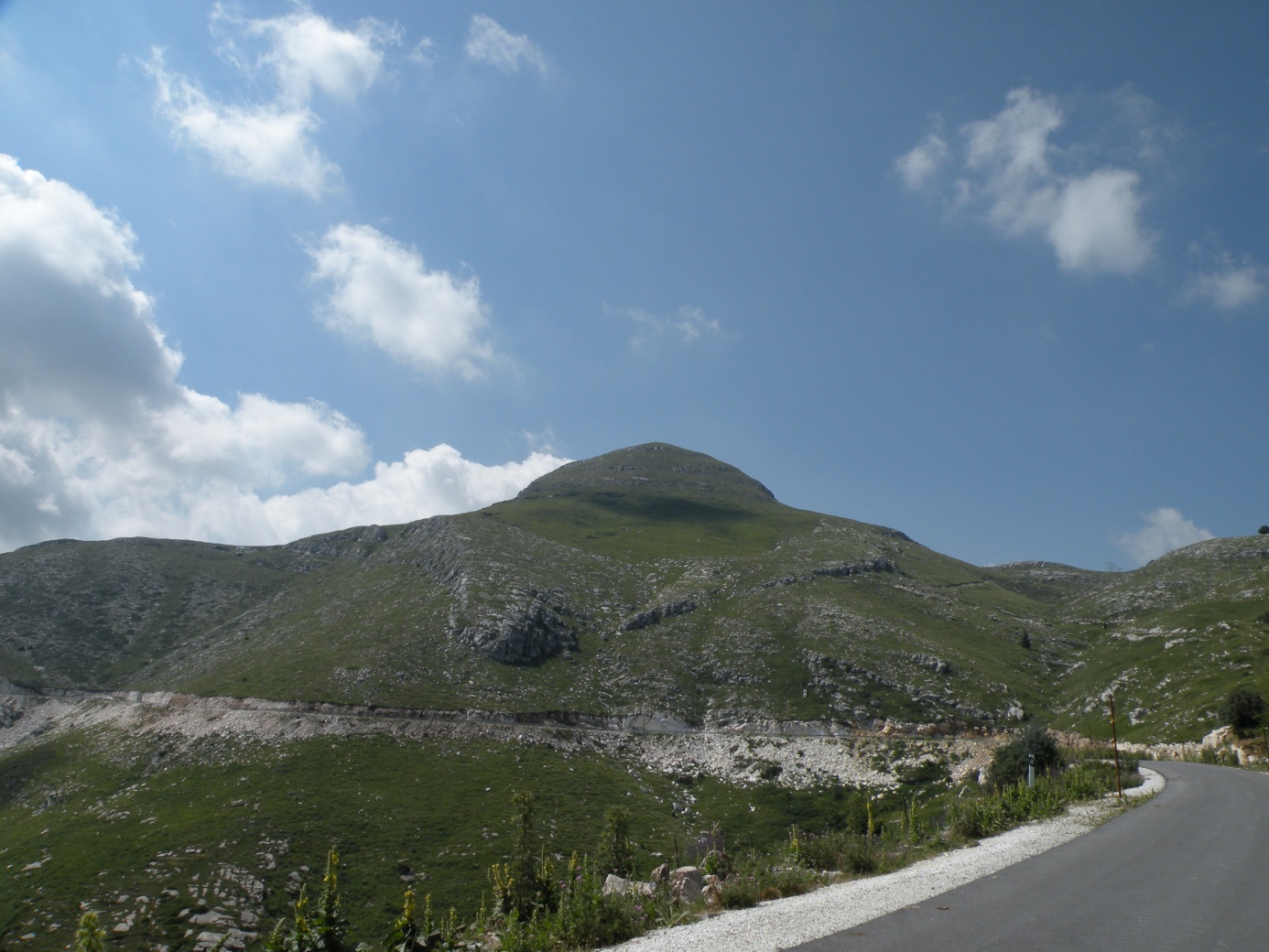
During the Peloponnesian War in 424 BC the Spartan commander Brasidas conquered Amphipolis, after which the Athenians tried to get the city back with no success. In 357 BC Amphipolis was conquered by Philip II of Macedon and remained under Macedonian rule until 168 BC. One of the main mints of the Macedonian rulers is functioning here. During the Roman era Amphipolis was the center of the first Macedonian region. The polis was mentioned in the New Testament as a settlement on the way of the Apostle Paul. The city continued to exist during the Byzantine and Post-Byzantine era.
Amphipolis is located on a high dominant over the local hill terrain on the left bank of the Struma River.
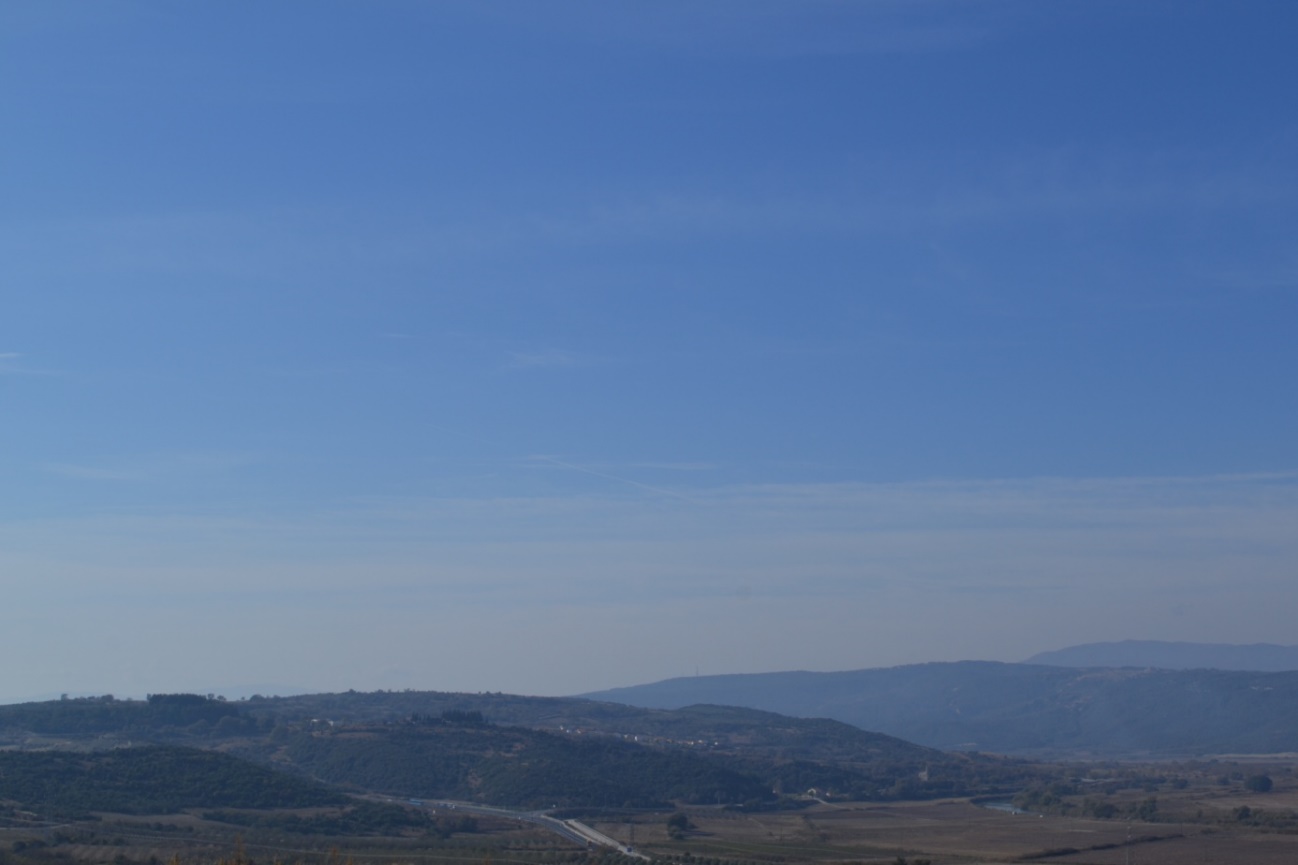
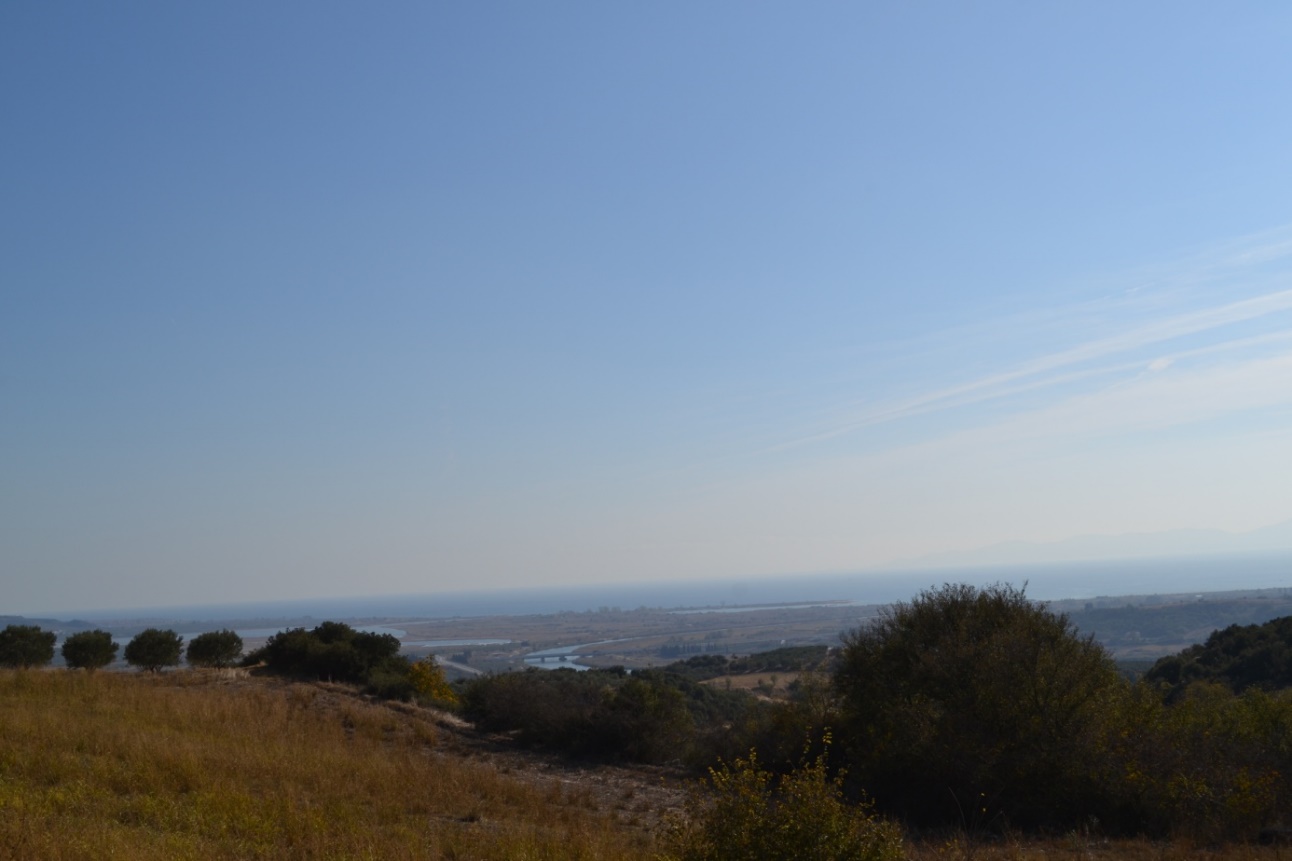
А majestic panorama opens out from the Acropolis of the ancient city both to the Aegean Sea to the south and to the sacred Pangaion Mountain to the east.
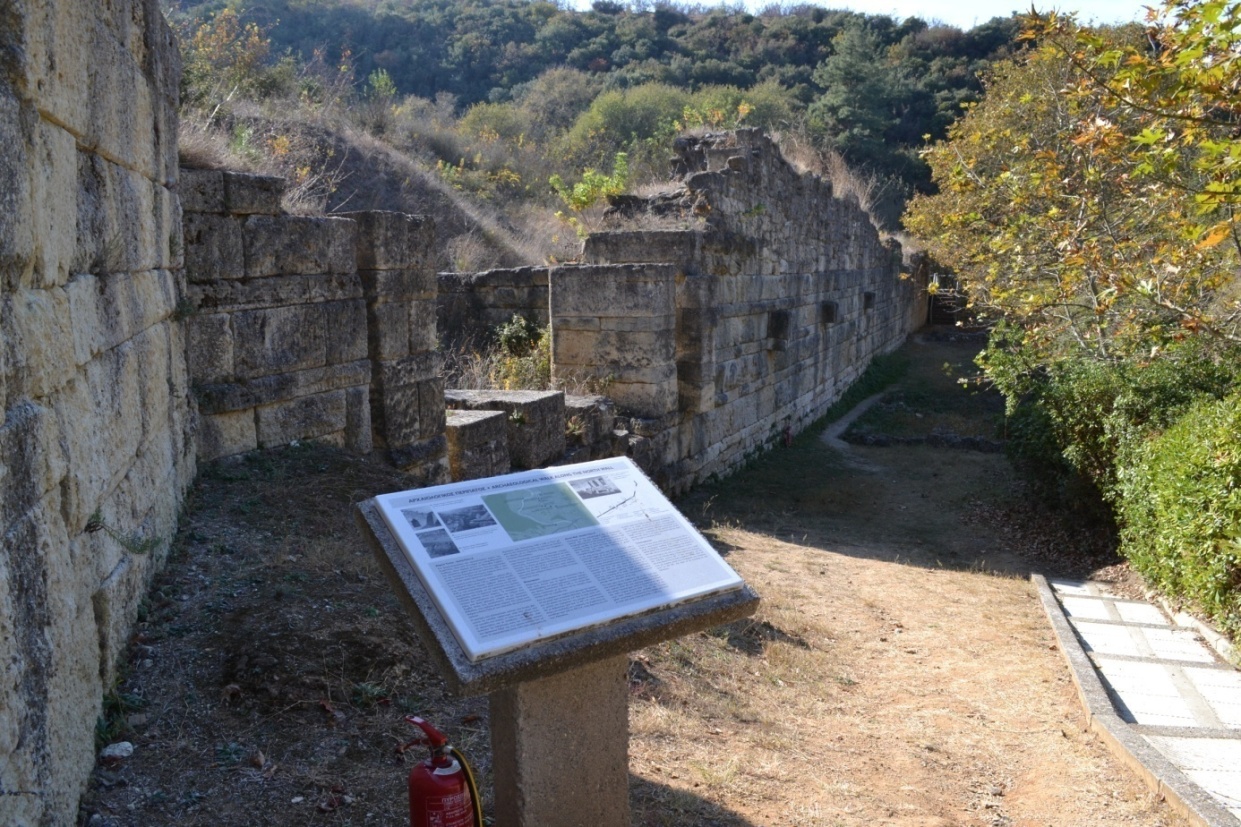
Perennial archaeological research has revealed important parts of the ancient city. Among them are sections of the outer and inner fortified wall, five of the fortress gates, the ancient bridge over the Struma River, the gymnasium, the sanctuaries of Attis, Clio, Thesmophorion.
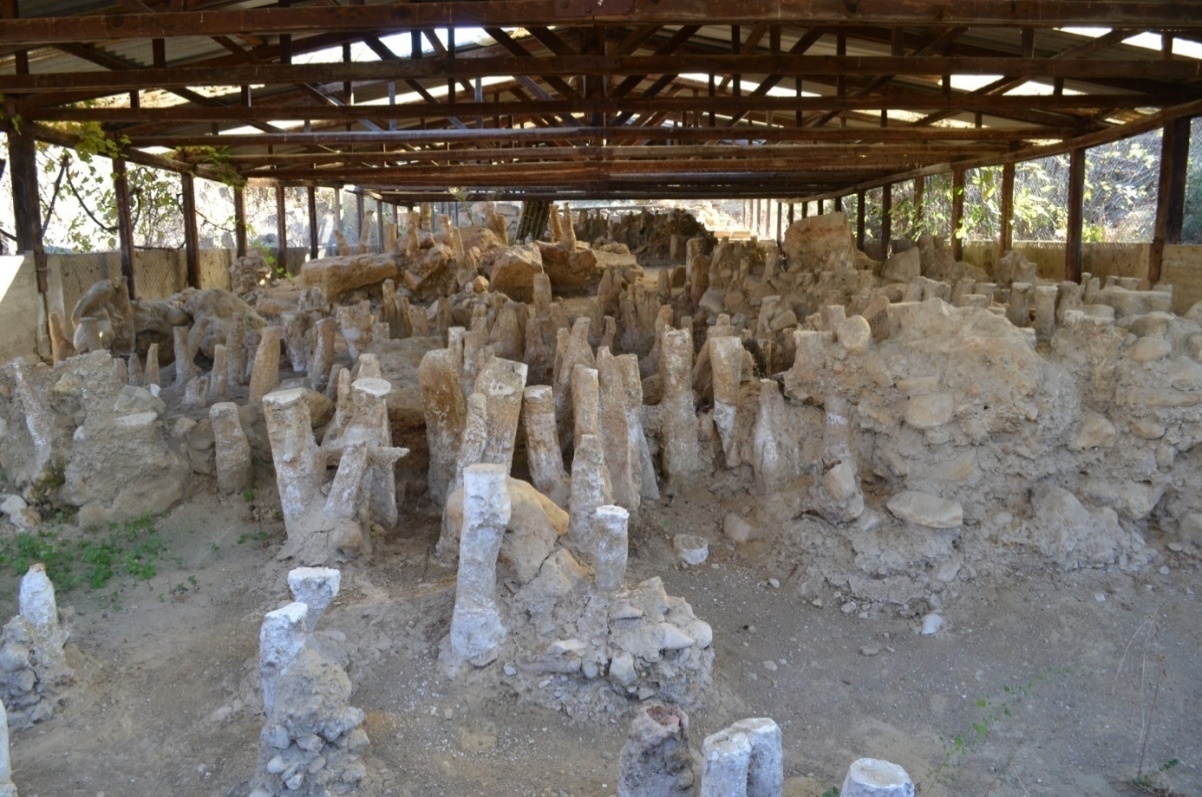
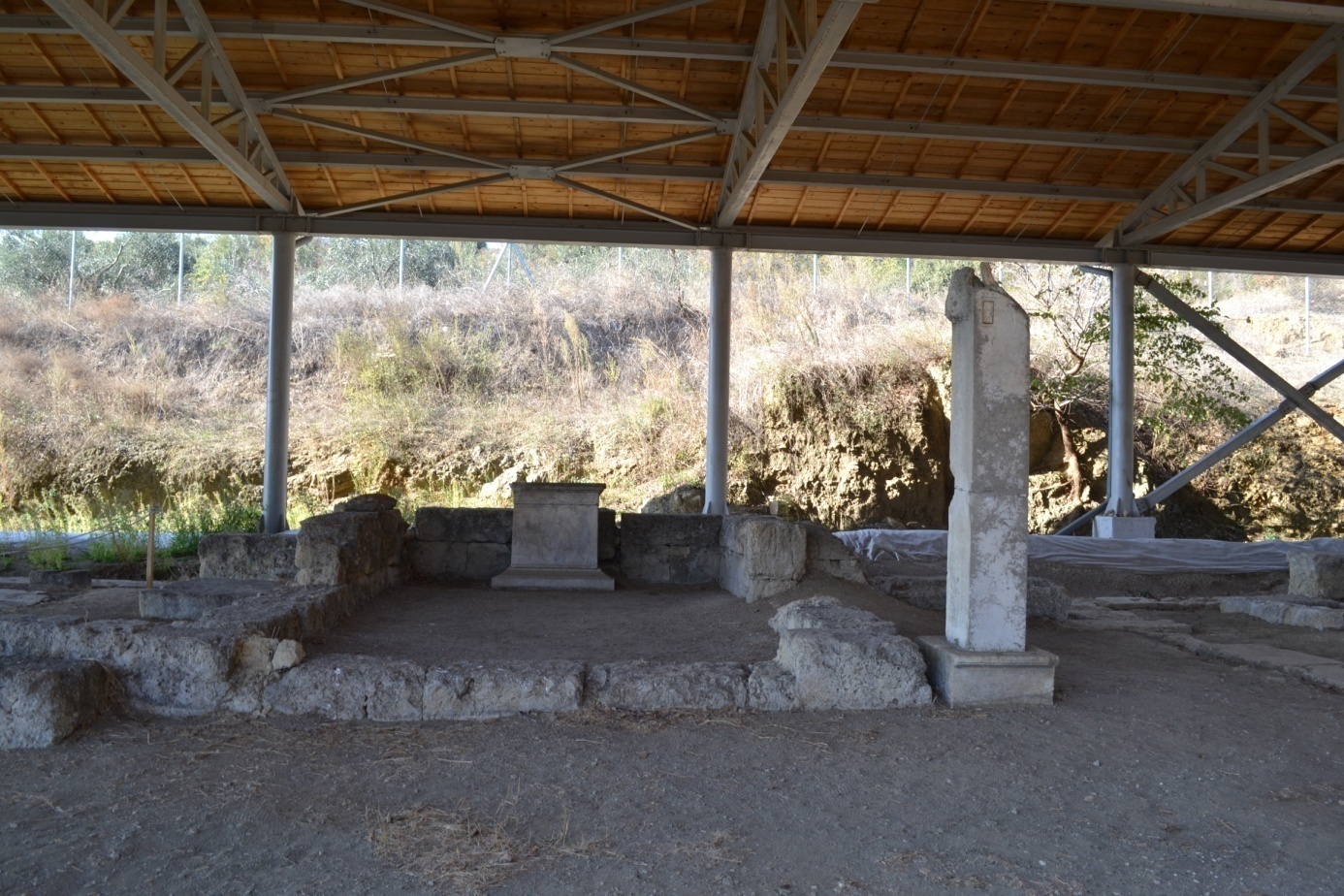
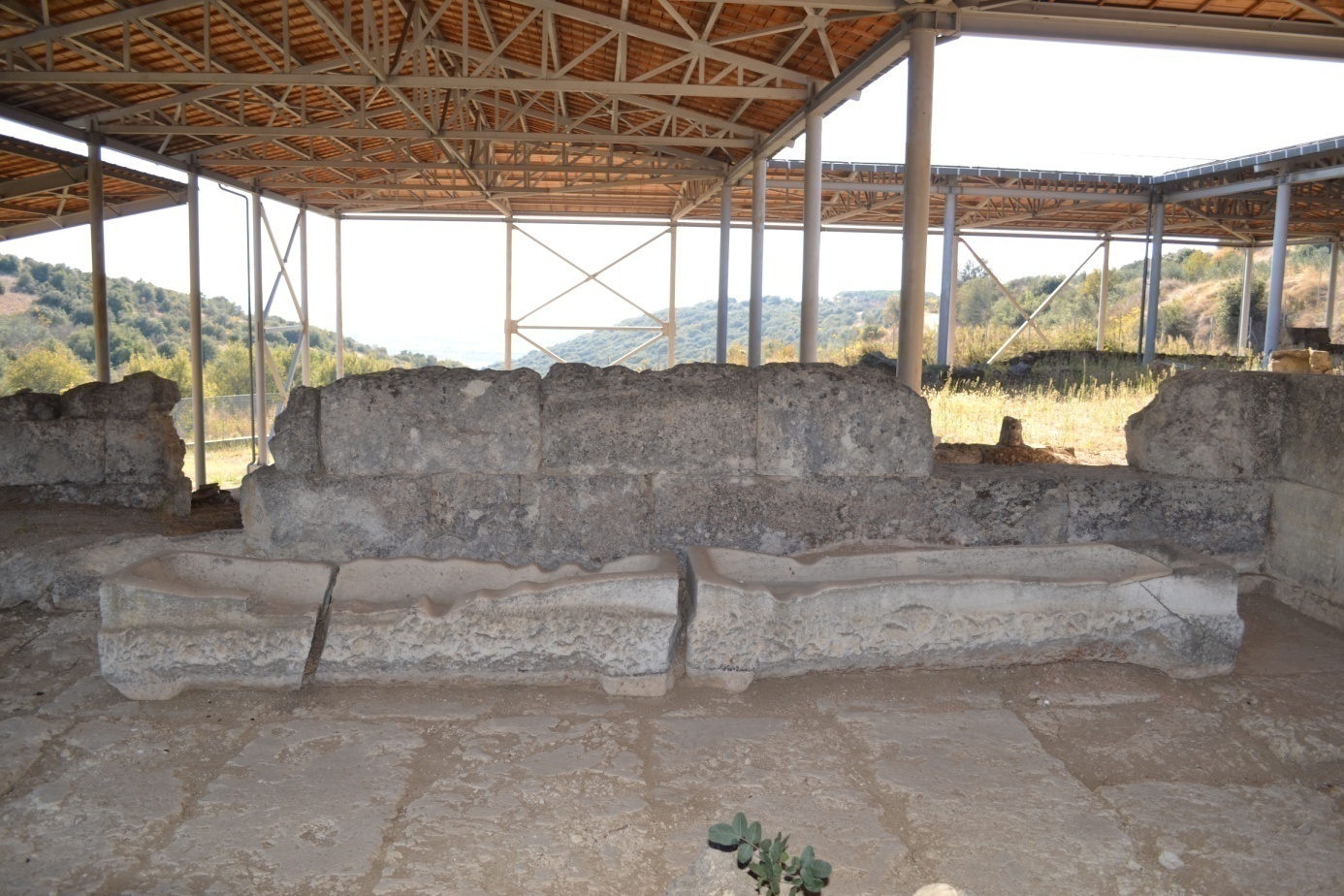
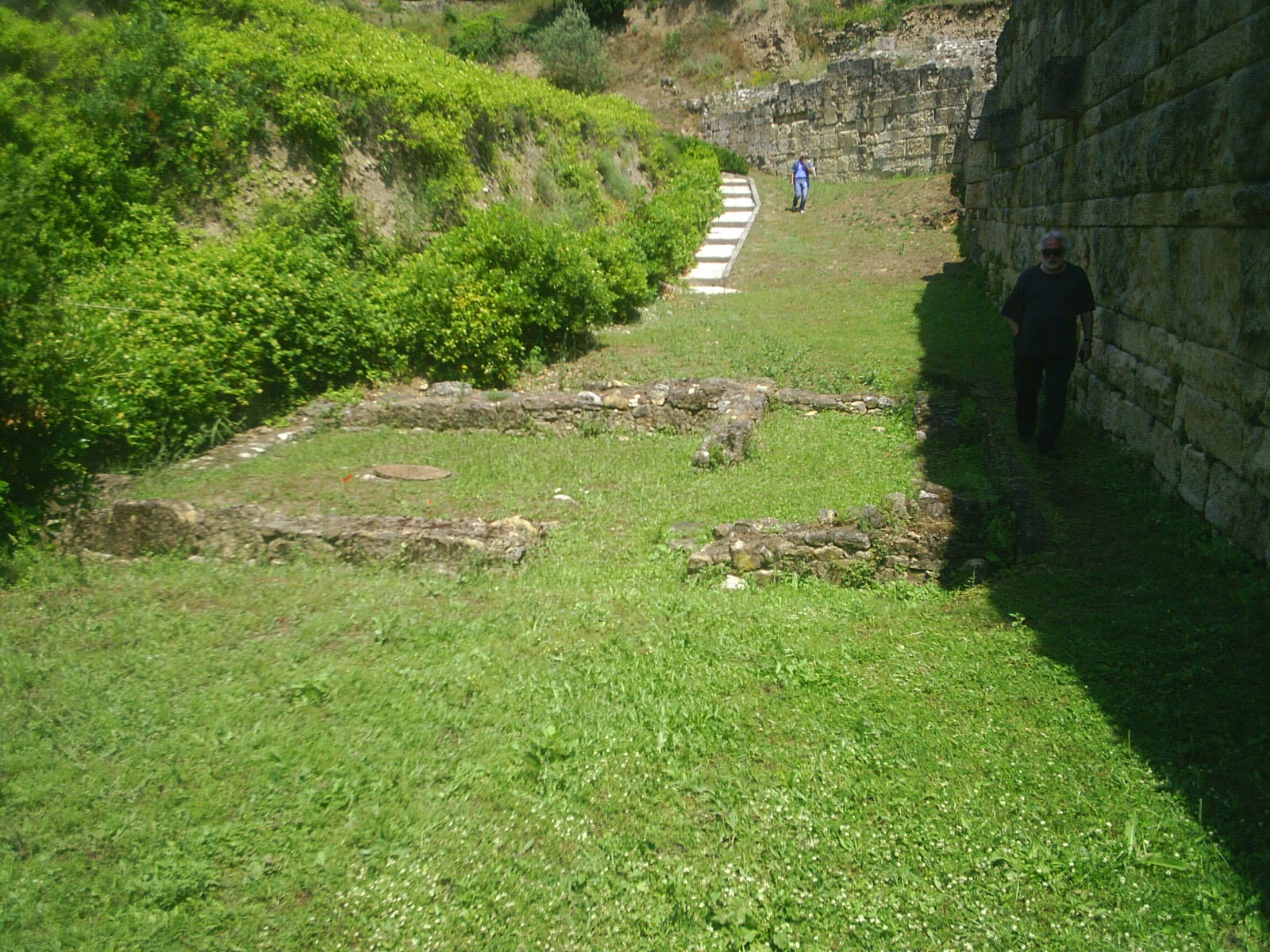
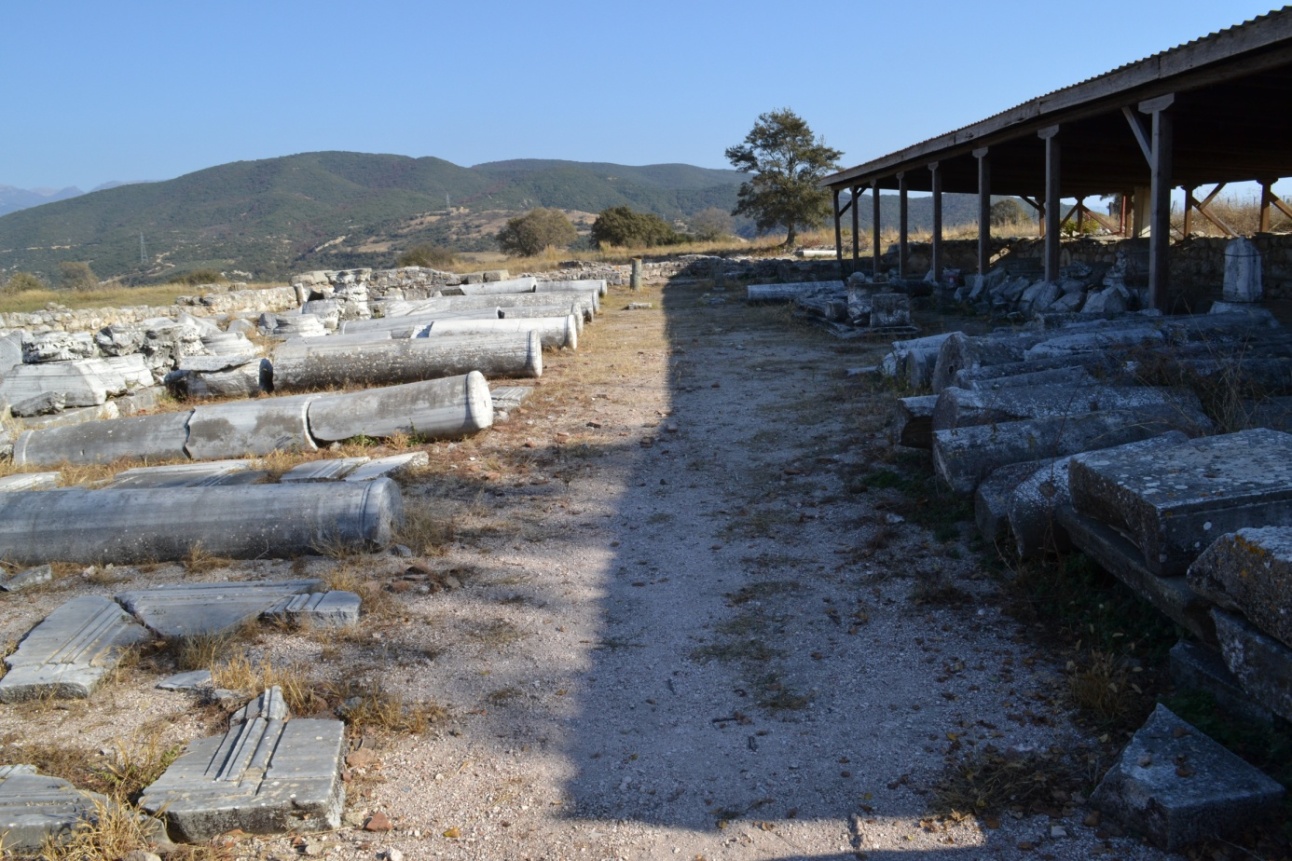
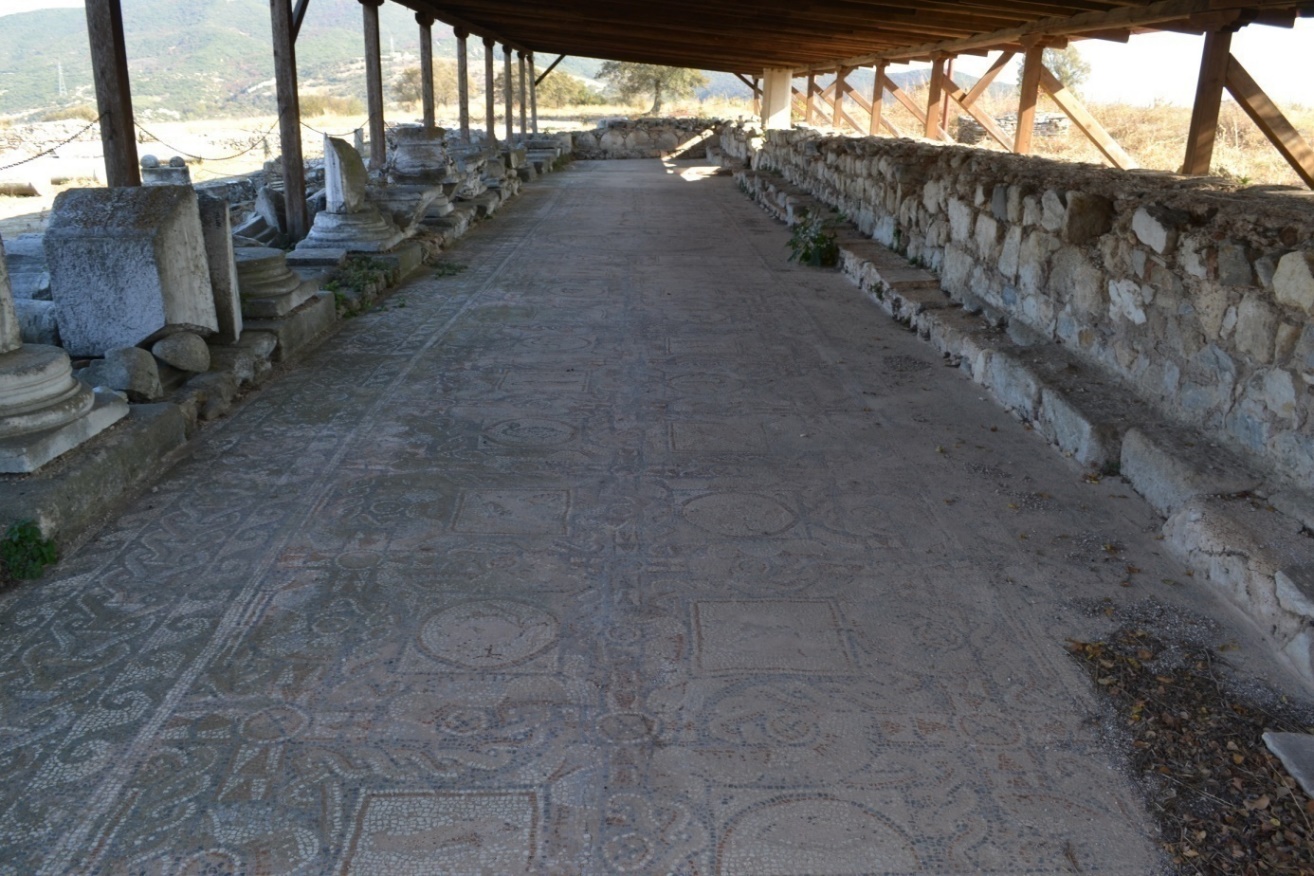
Five spectacular early Christian basilicas were studied in the Acropolis of the town.
Residential complexes of the ancient city dating back to the Classical, Hellenistic and Roman periods have also been studied.
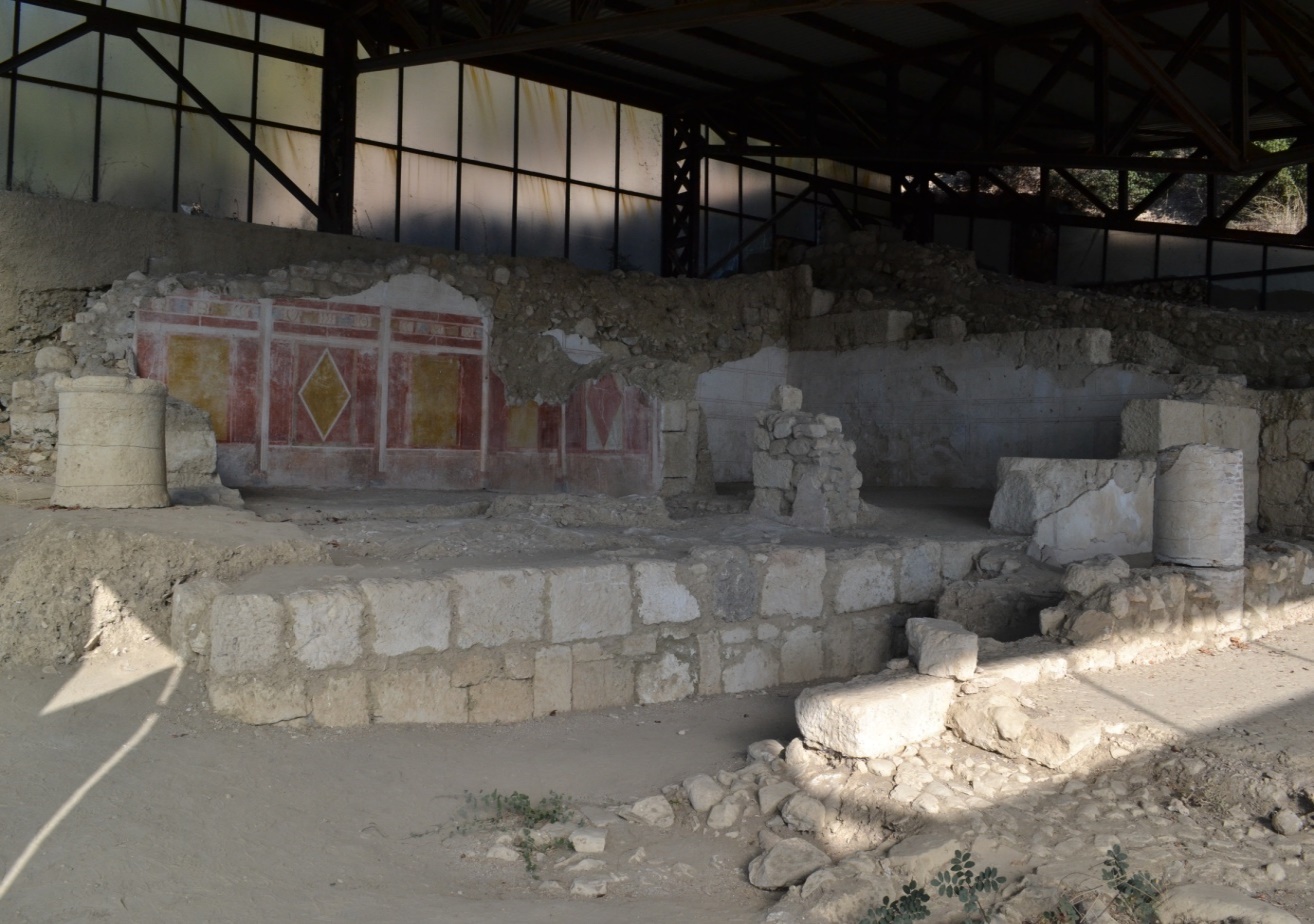
The necropolis of the town was revealed and studied outside the fortified wall and several monumental tombs of Macedonian type were found there. Among them the monumental tomb beneath the Kasta mound shines with the greatest power. It is located east of the ancient town.
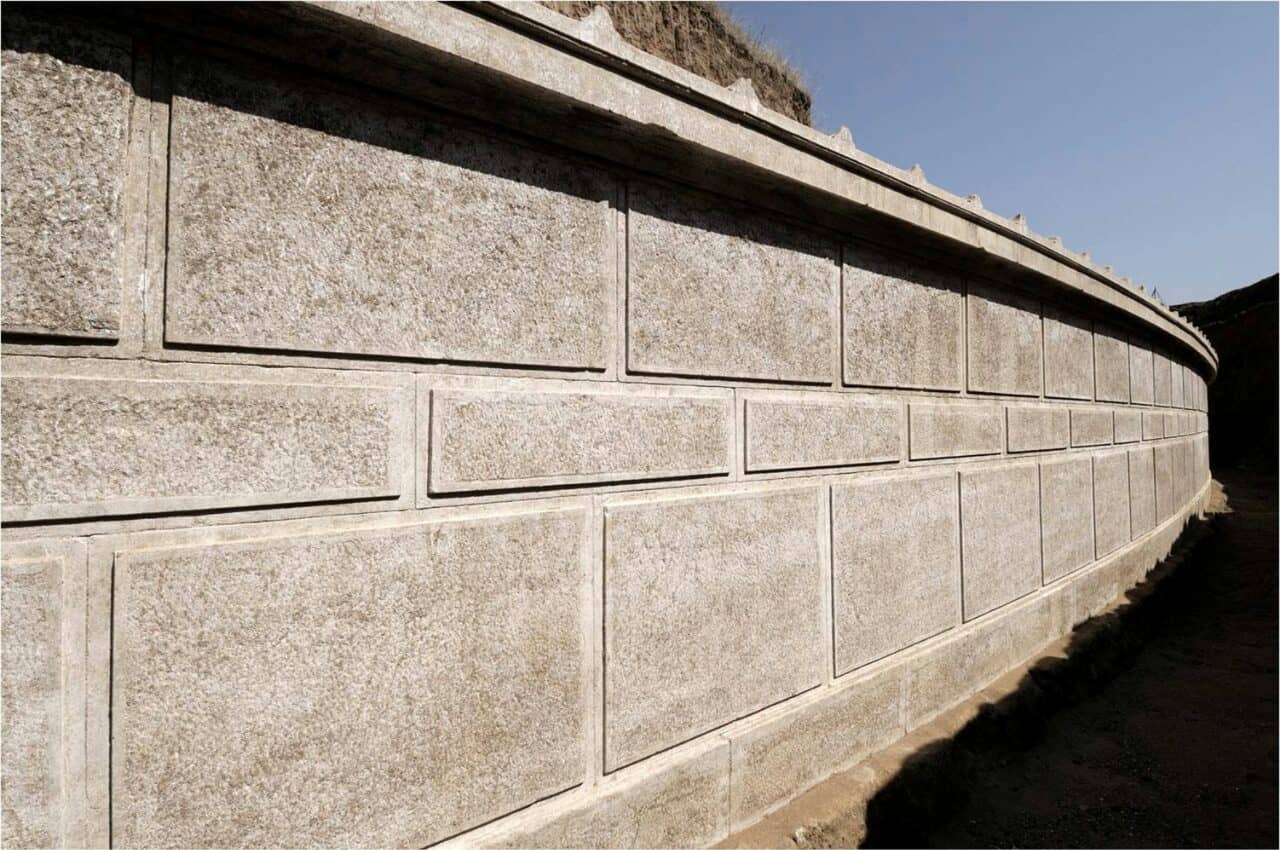
The tomb was constructed in the last quarter of the 4th century on a low hill in the region where a necropolis existed since the age of the iron and the archaic era. The monumental tomb beneath the Kasta mound was discovered and excavated by the famous Greek archaeologist Katerina Peristeri. She was awarded the UNESCO international prize “Khaled al-Asaad” for archaeological discovery No1 in Europe for 2014 in November 2015 in Posidonia, Italy. The monumental tomb beneath the mound consists of a). an impressive round stone peribolos, 497 meters long and 3 meters high, b). a statue of the lion on the top of the mound which today is located next to the modern bridge of the Struma River and c). a monumental four-chamber Macedonian tomb 26 meters long and 6 meters high, dating from the end of the last quarter of the 4th century BC.
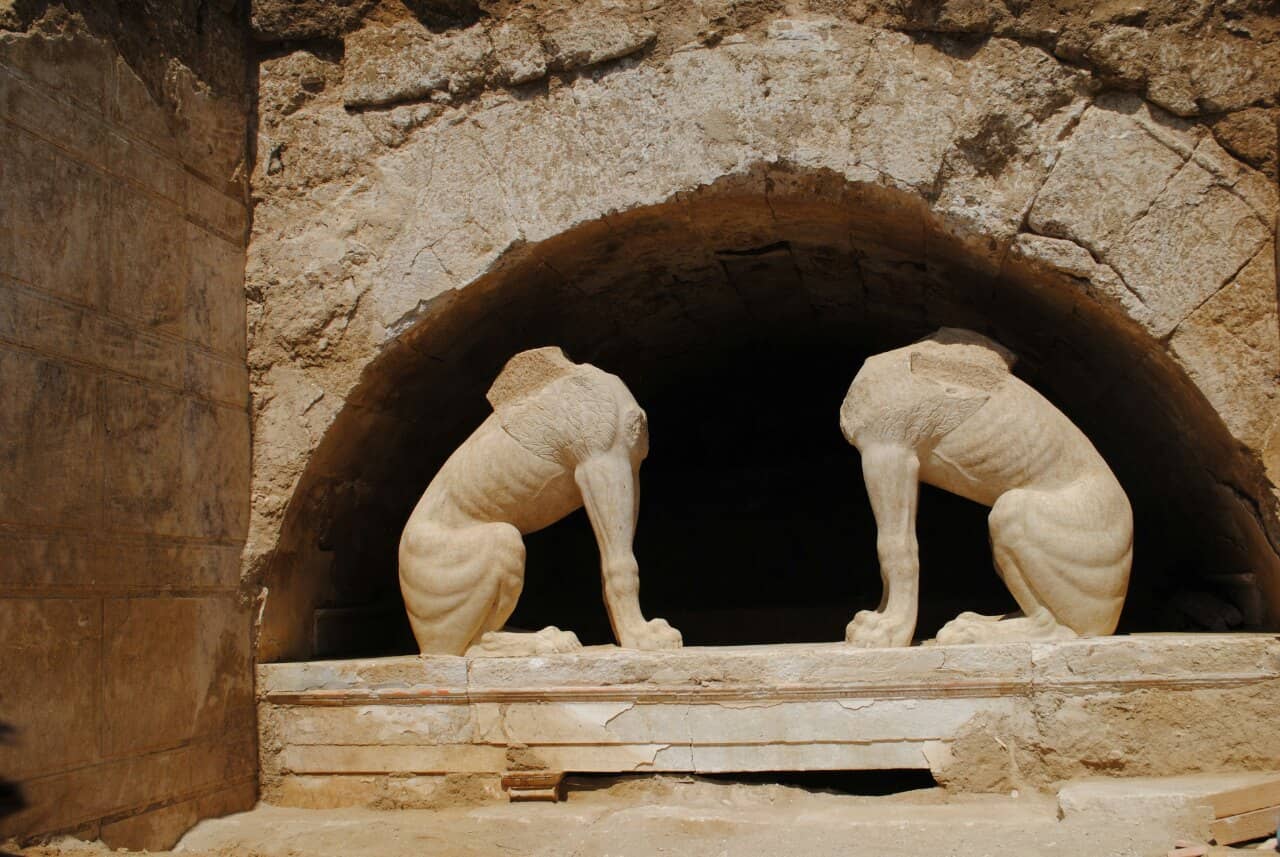
A monumental staircase with sixteen steps leads to the first room where two marble sphinx are located at the entrance. The floor is decorated with stone geometric flooring. Two majestic caryatids on a marble pedestal can be seen in the second premise. In the third premise behind the caryatids there is an antique mosaic presenting the scene: God Pluto abducts Kore-Persephone to the underworld. According to the mosaics and sculptural decoration the tomb dates back to the last quarter of the 4th century BC. A monumental marble gate leads to the fourth room where the main burial chamber of the monument is located.
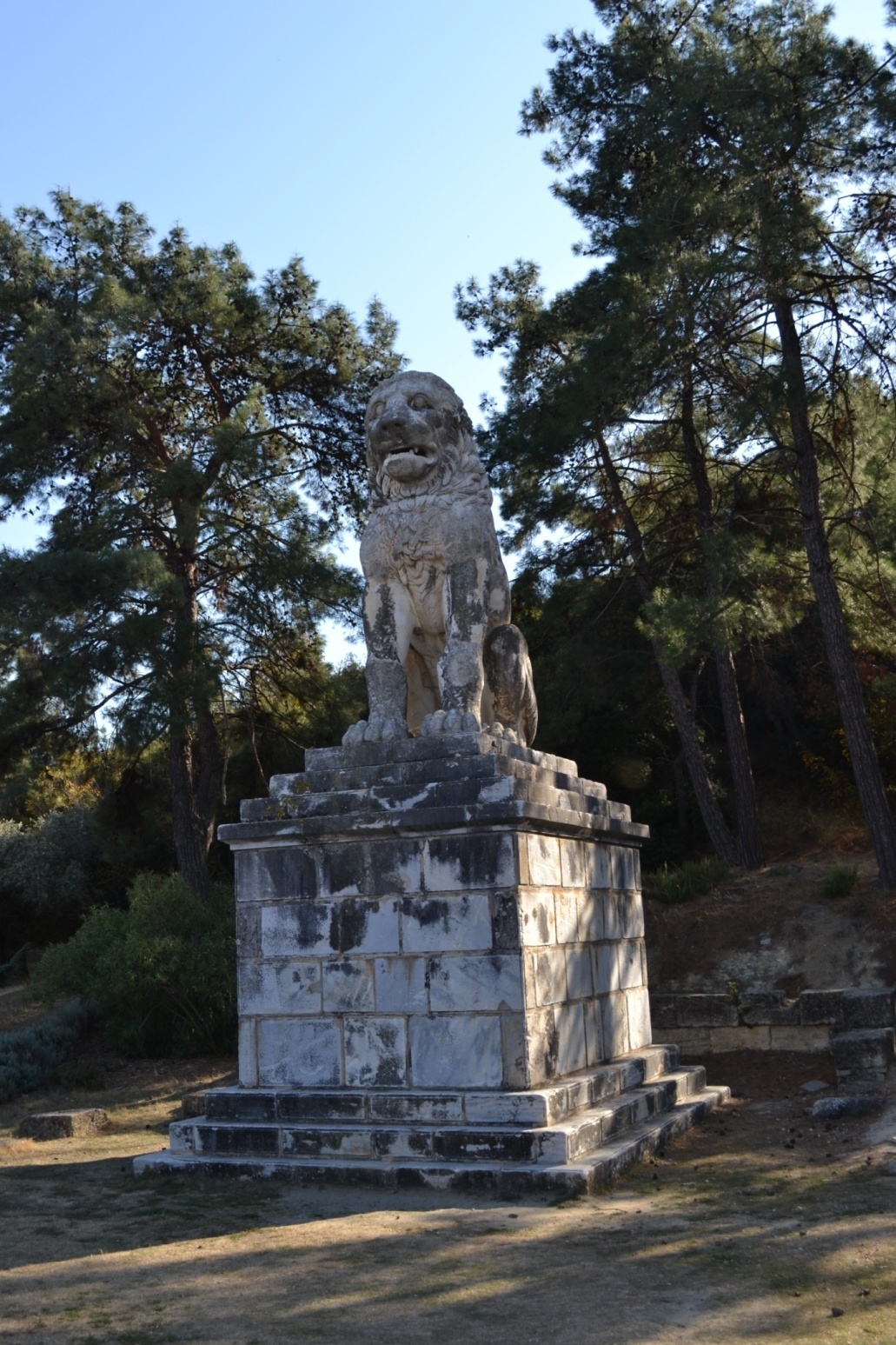
The monumental tomb under the Kastas mound is probably an order of Alexander the Great during the last quarter of the 4th century BC to be honored posthumously as a herо his close friend and general Hephaestion. The destruction of the monument began in the Roman era and continued with the invasions of barbarian tribes in the coming years.
Archaeological Museum of Amphipolis
http://www.museumsofmacedonia.gr/Archaeological_and_Byzantine/Arx_Amphipolis.html
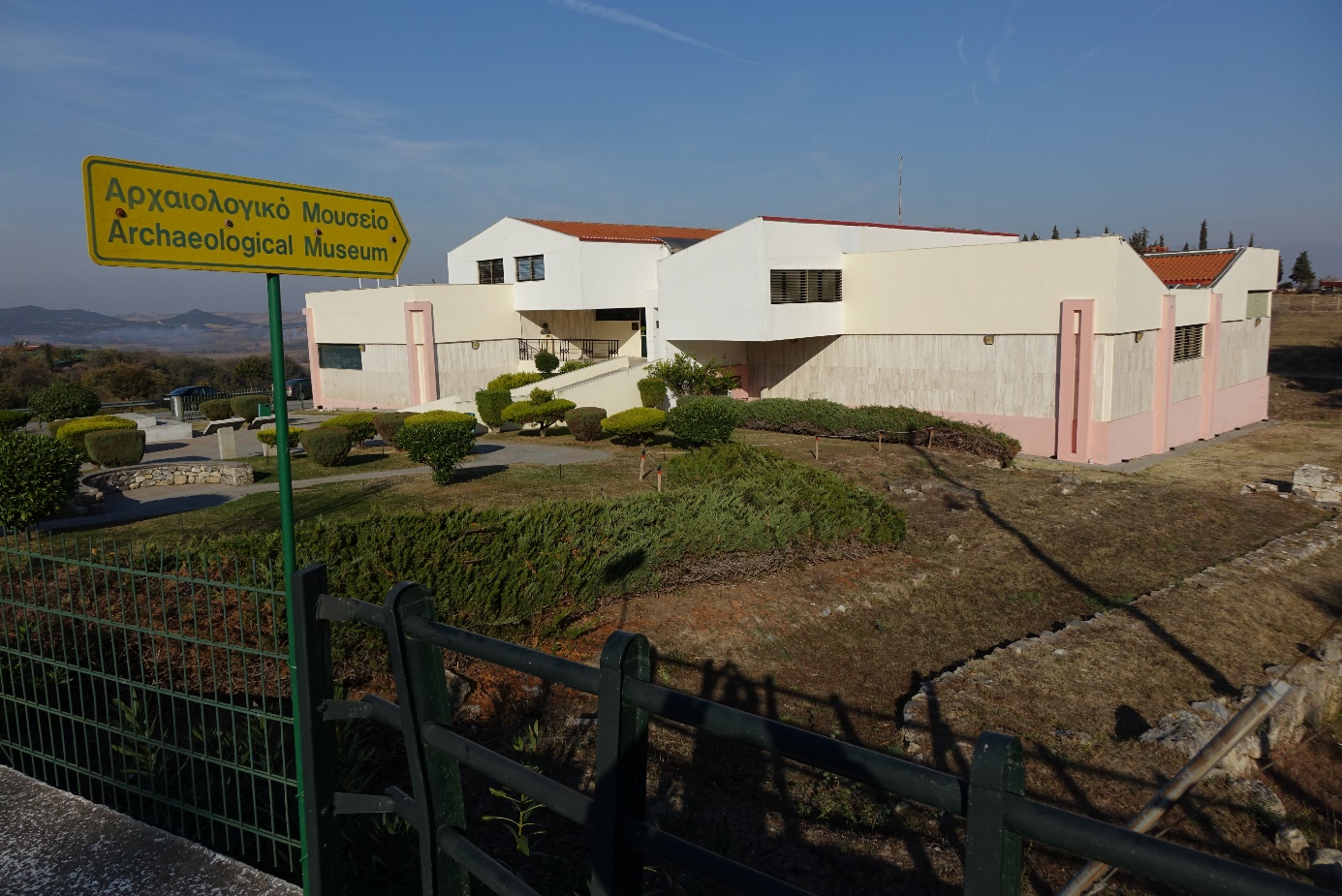
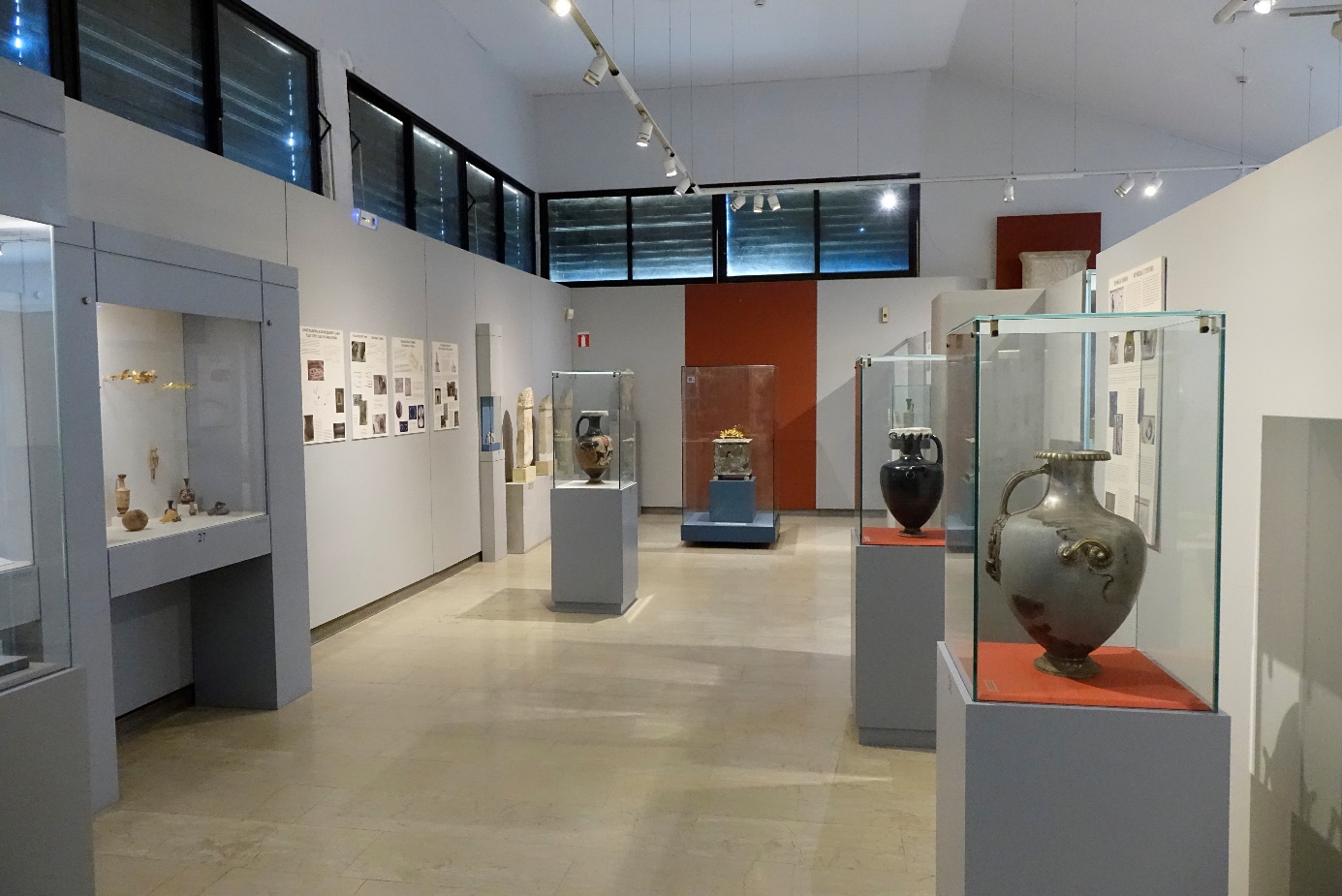
It is located inside the outlines of the ancient city of Amphipolis. The museum is situated in a modern building from 1995. Тhe finds are presented in chronological order: the Prehistoric period (from Pangaion Mountain and Ketil Tepes Mound); the Archaic period (from the Necropolis existing on Kasta Hill in Amphipolis); Classical and Hellenistic period (from the ancient gymnasium, Hellenistic Necropolis, Hellenistic residential complex), the Roman period (mosaics of Roman residential complex and Roman necropolis); Early Christian period (from the five Christian basilicas in Amphipolis).
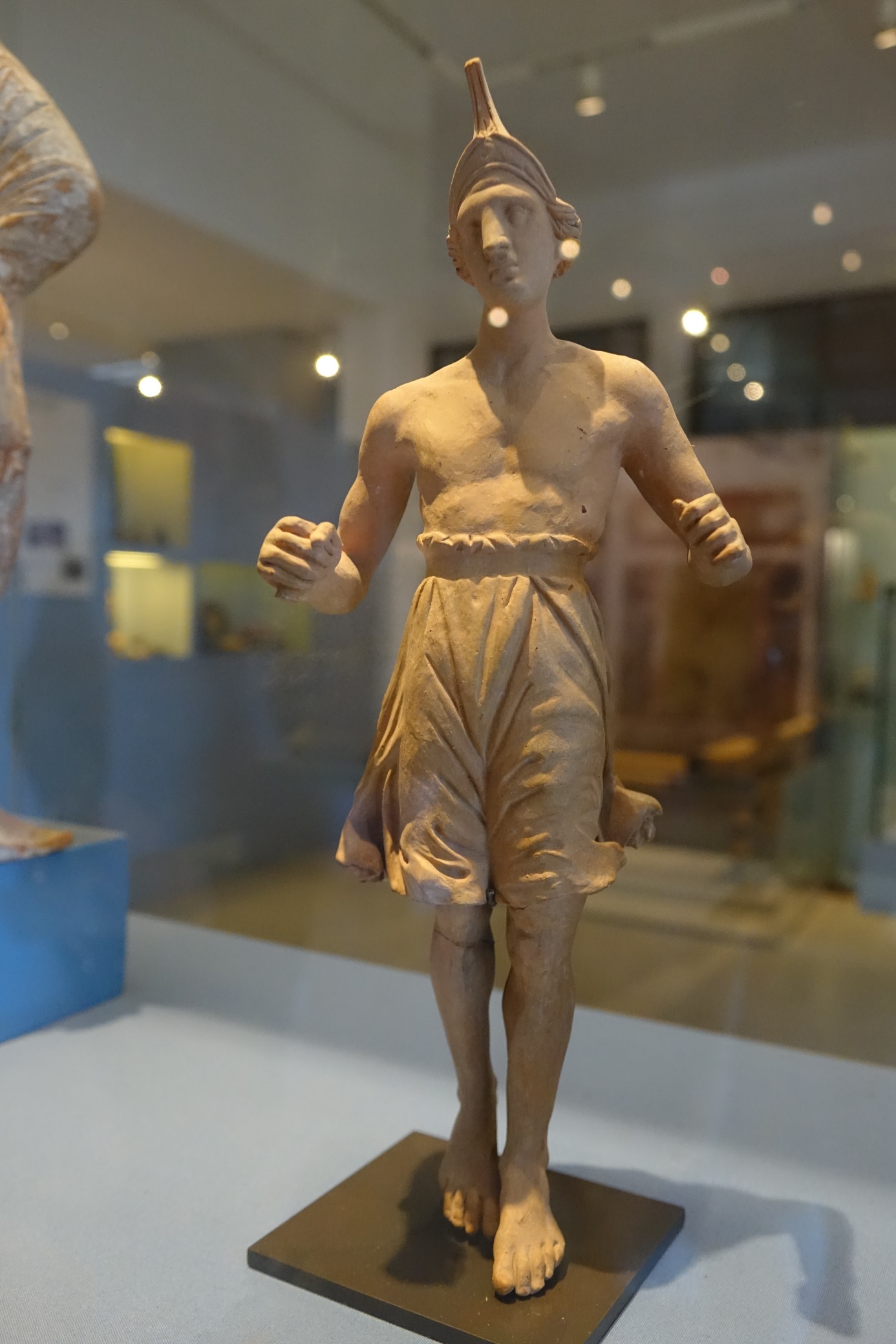
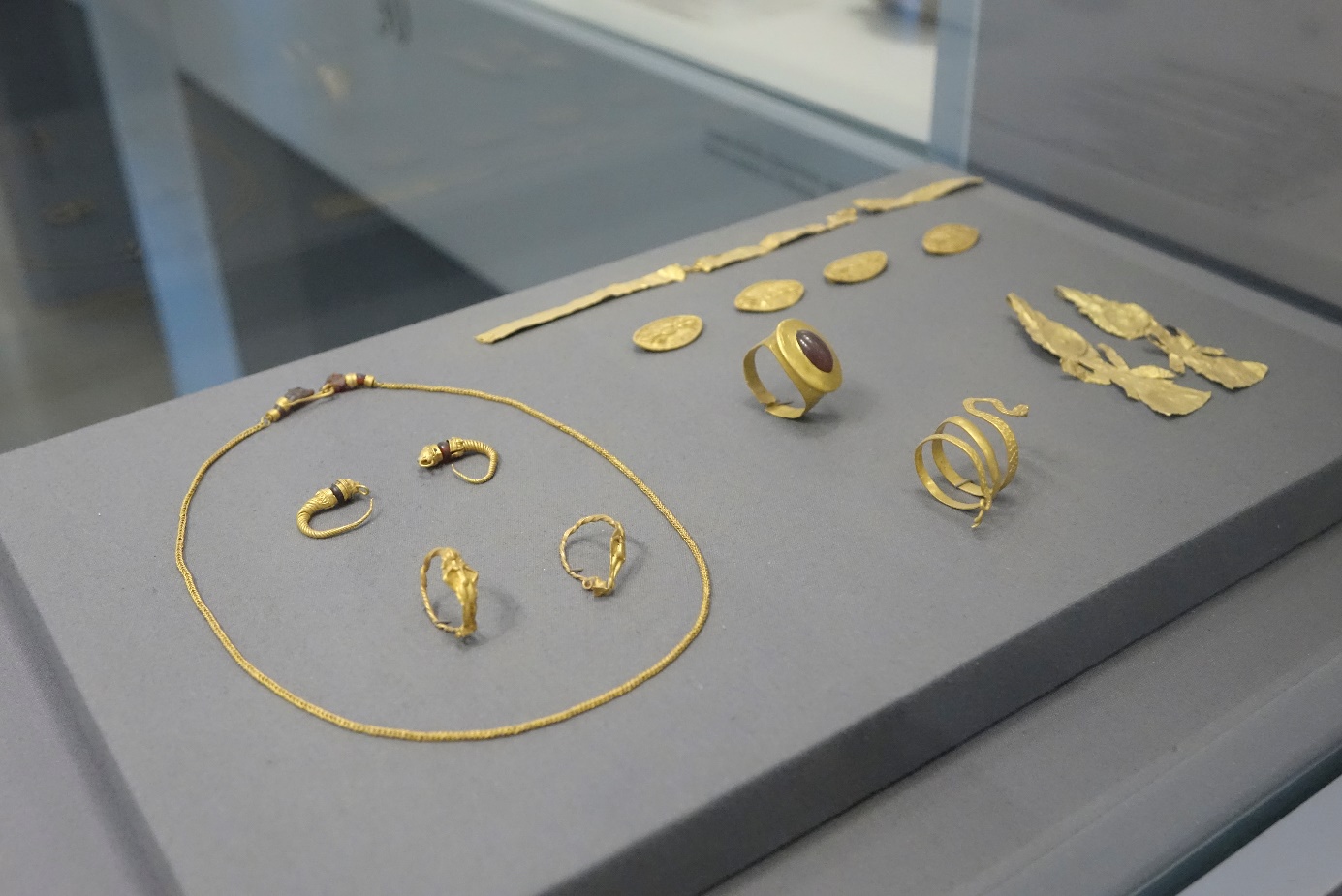
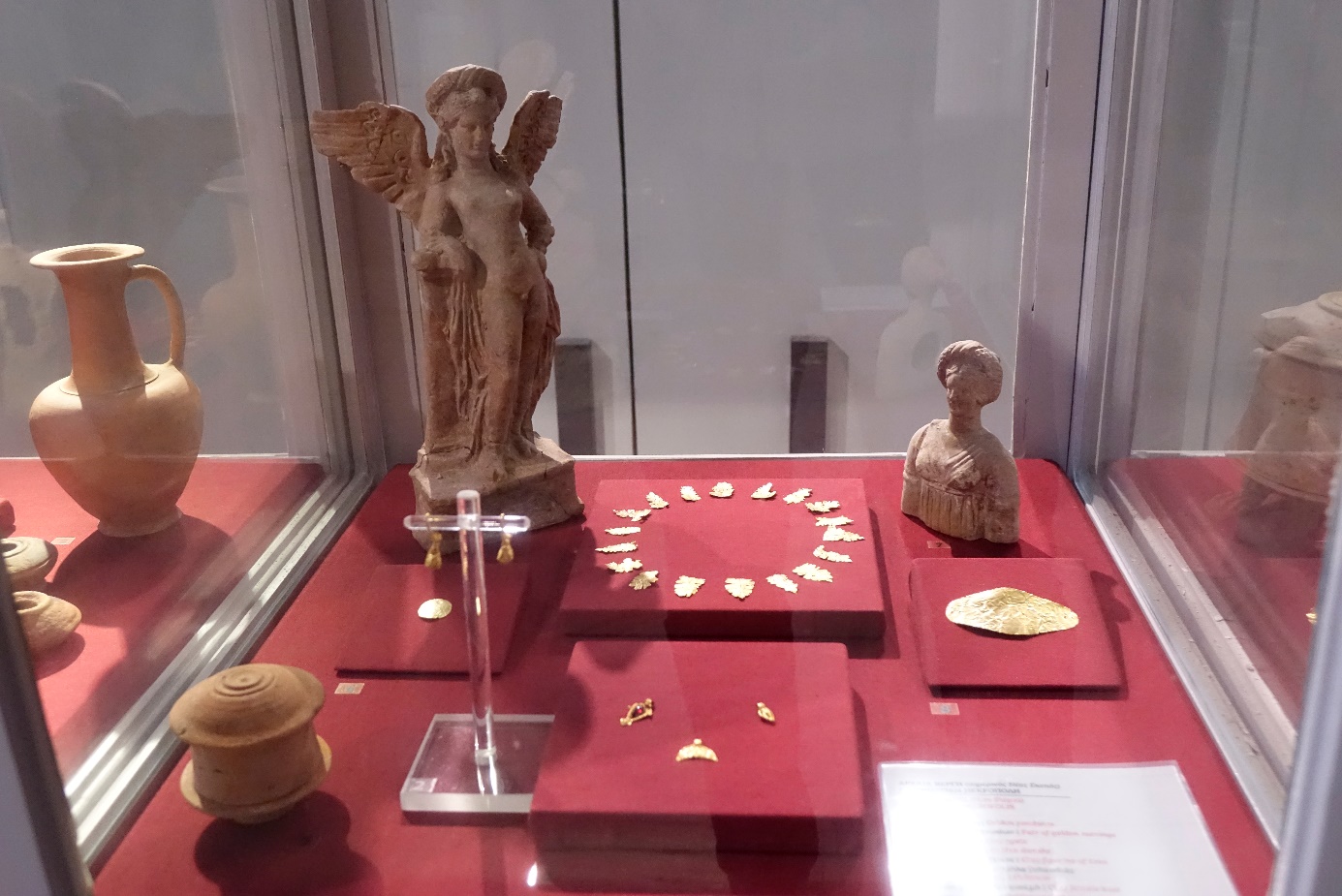
The most important exponents in the museum are the prehistoric and Thracian pottery, gold jewellery from Amphipolis necropolis, a small ceramic sculpture from the Classical and Hellenistic period -images of Aphrodite and Eros, of Cybele and Attis. Special attention is given to the marble burial steles from the Hellenistic period, as well as the marble votive plates dedicated to the Dioscuri and the river god Strymon, the Great goddess Cybele and the Thracian horseman.
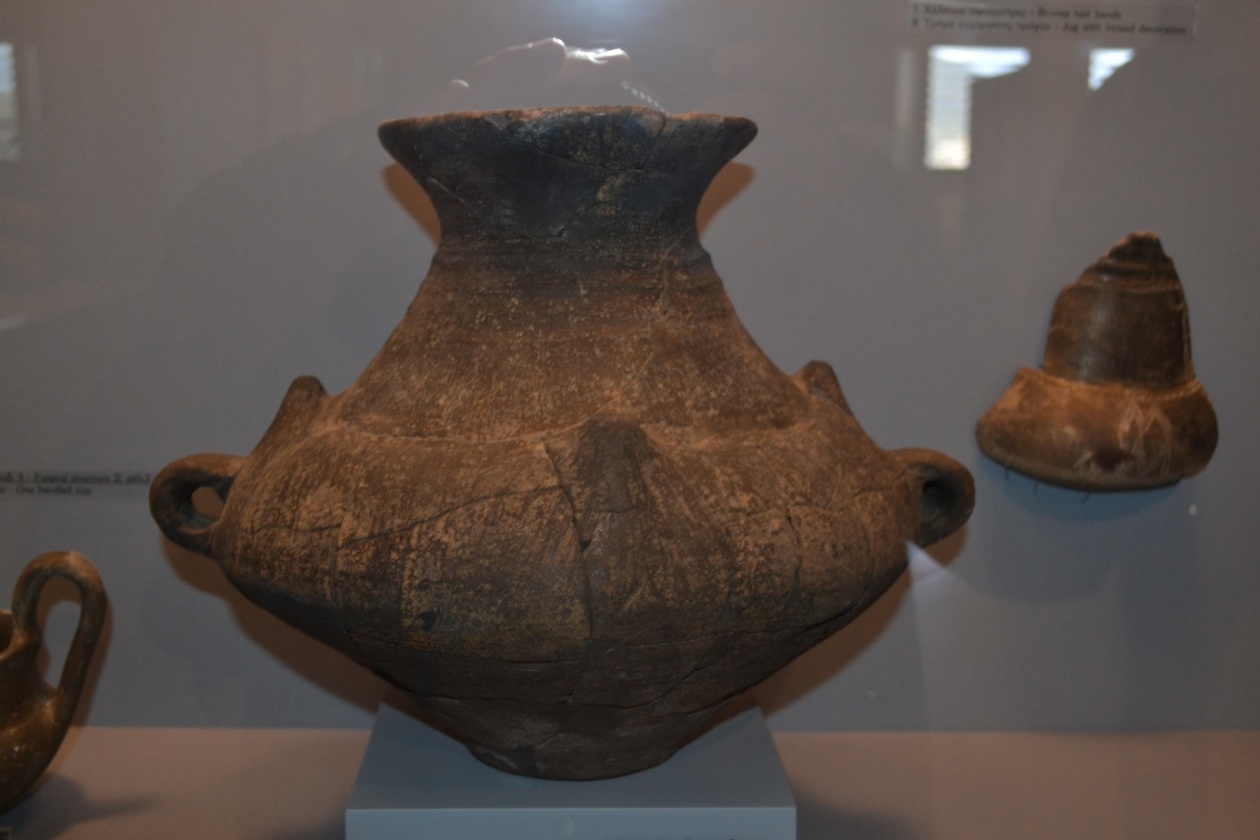
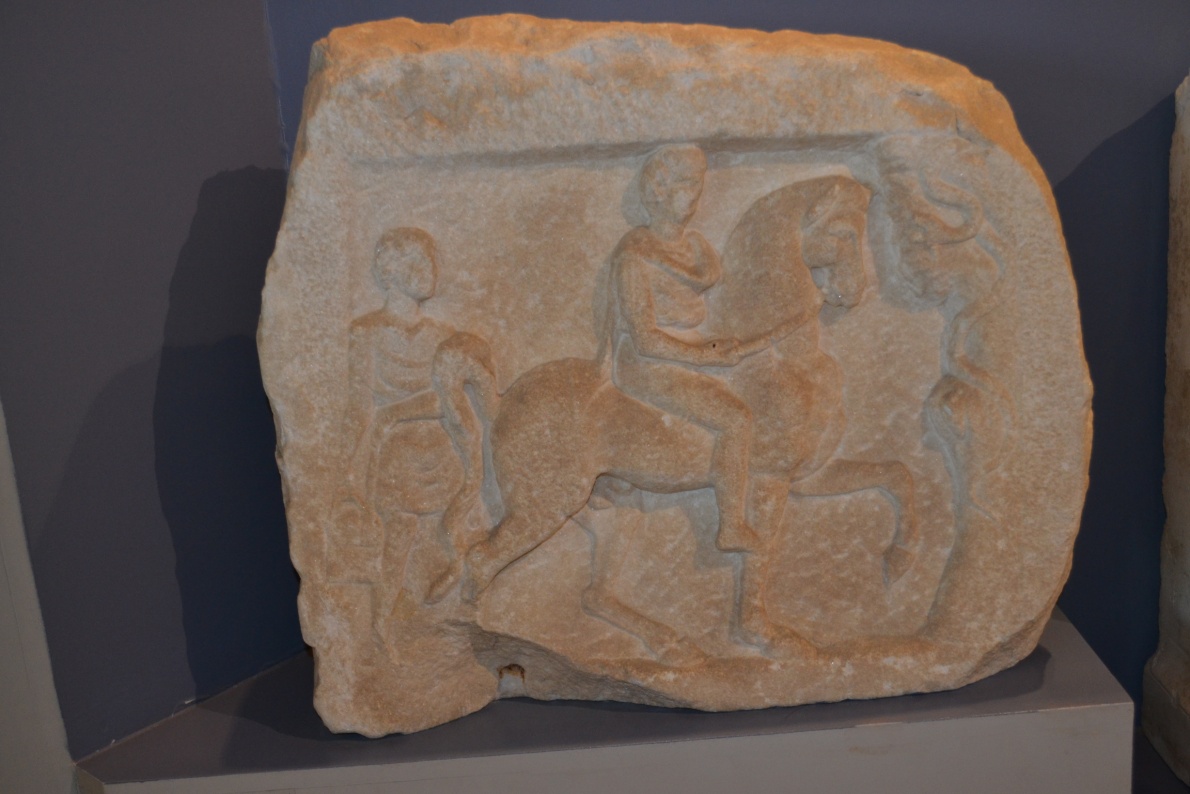
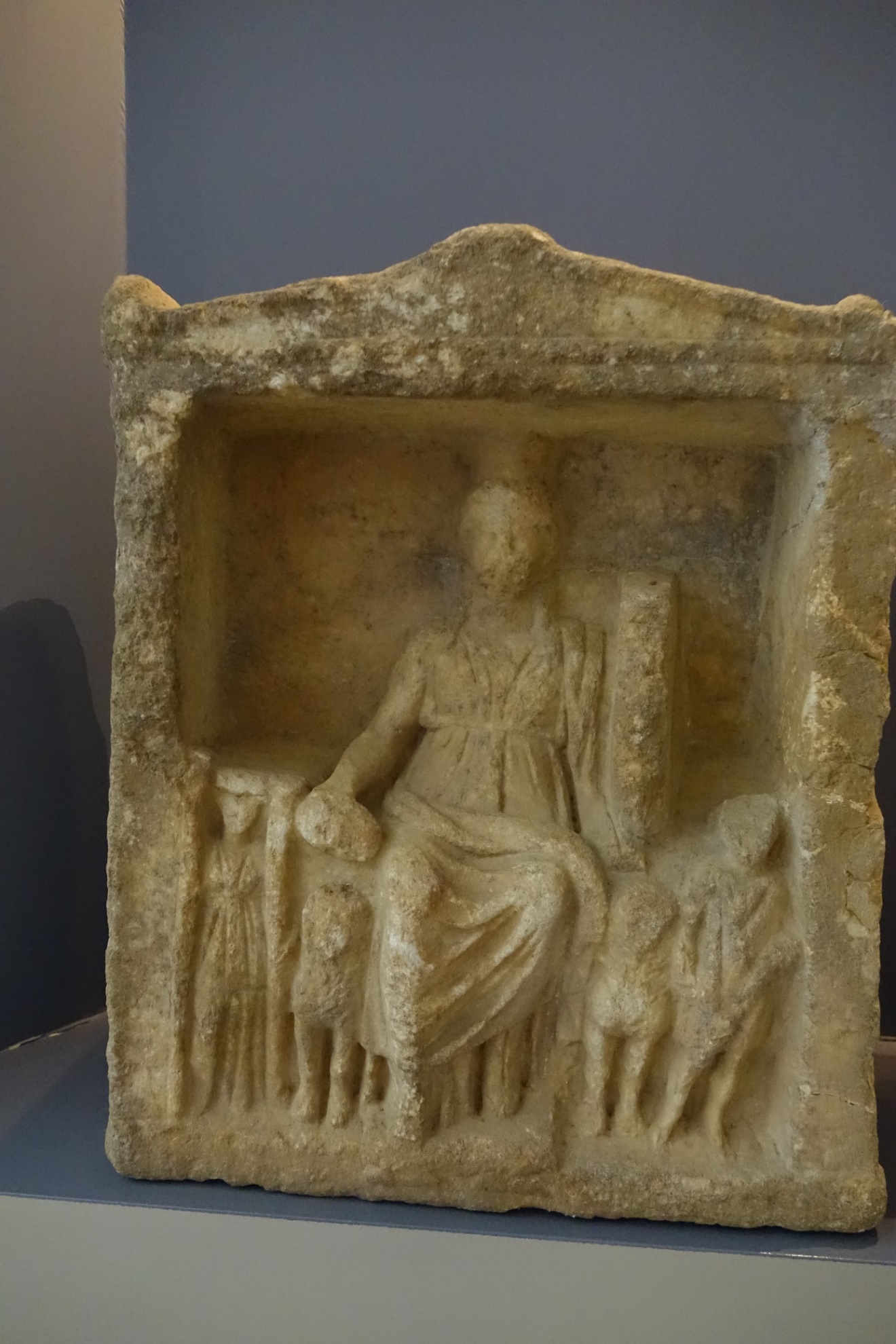
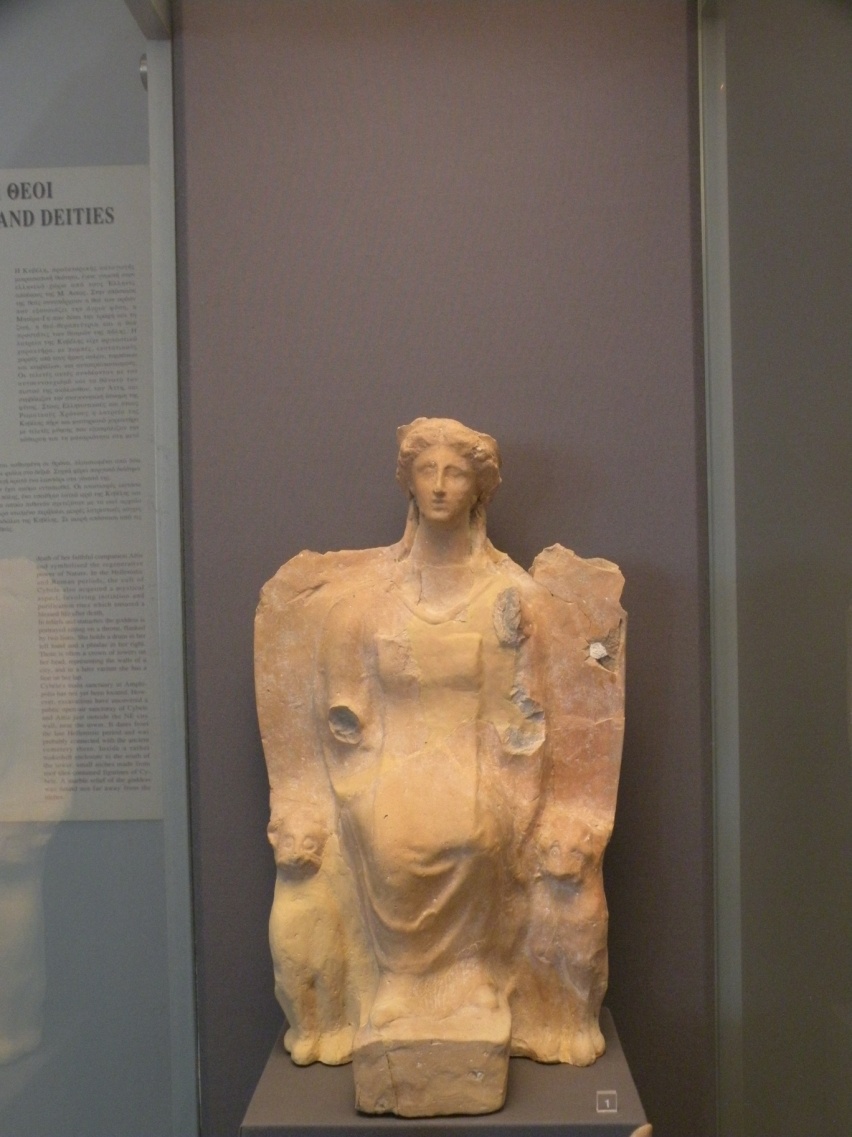
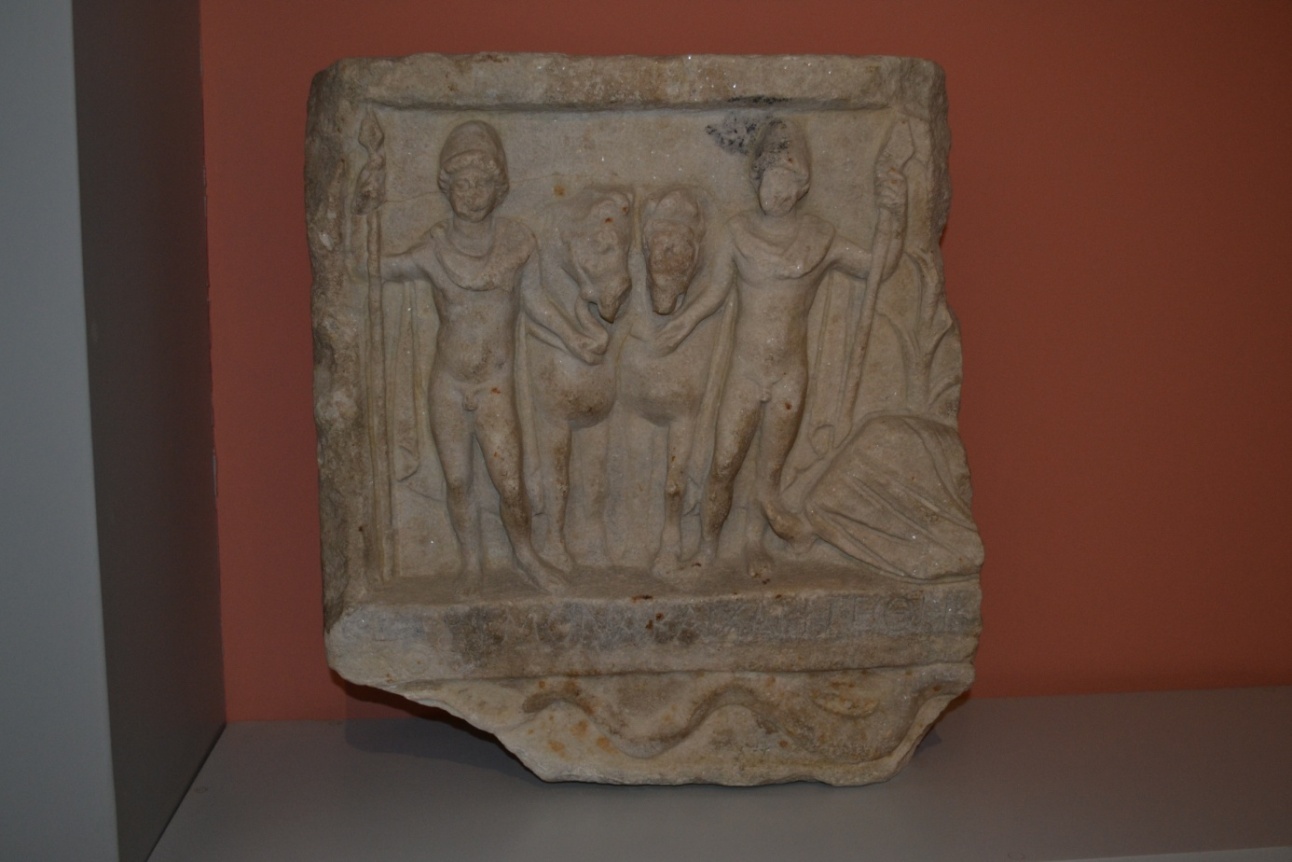
Among the epigraphic monuments, the law of the Amphipolis gymnasium, which is preserved in a very good condition, should be noted.
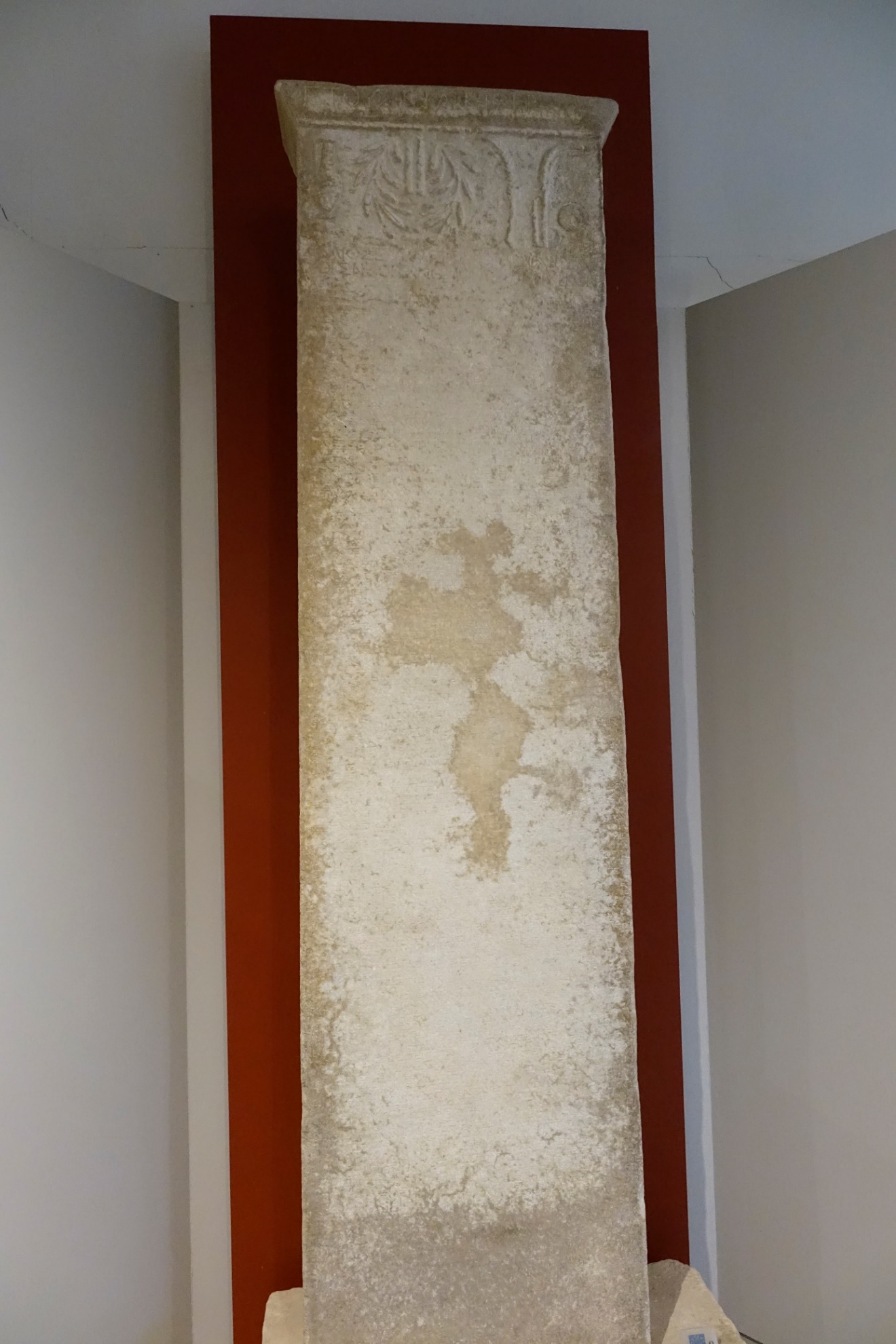
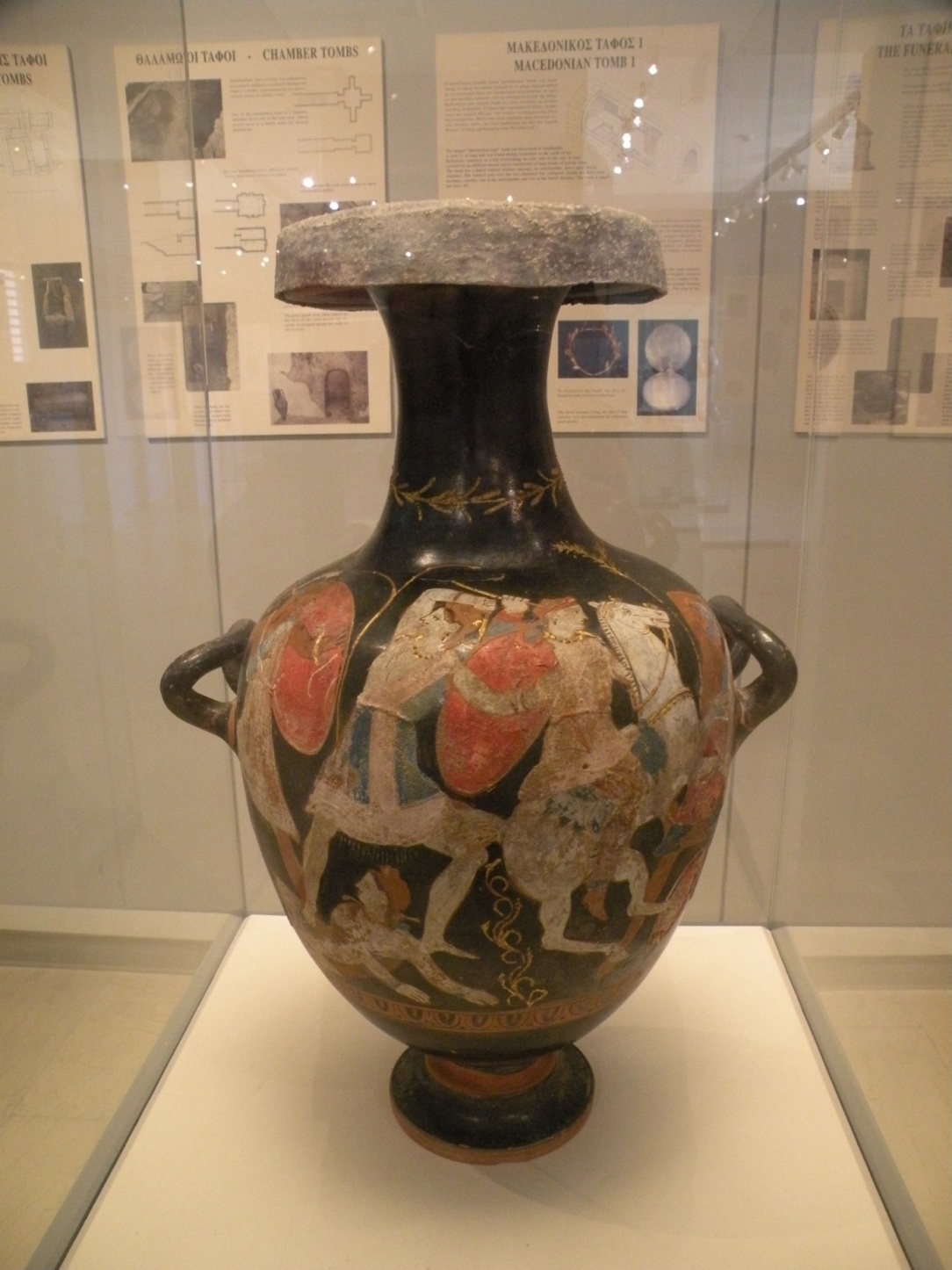
The museum has a rich collection of red and polychrome Hellenic ceramics, terracotta figures, as well as monuments of jewelry dating from the Classical and Hellenistic epochs.
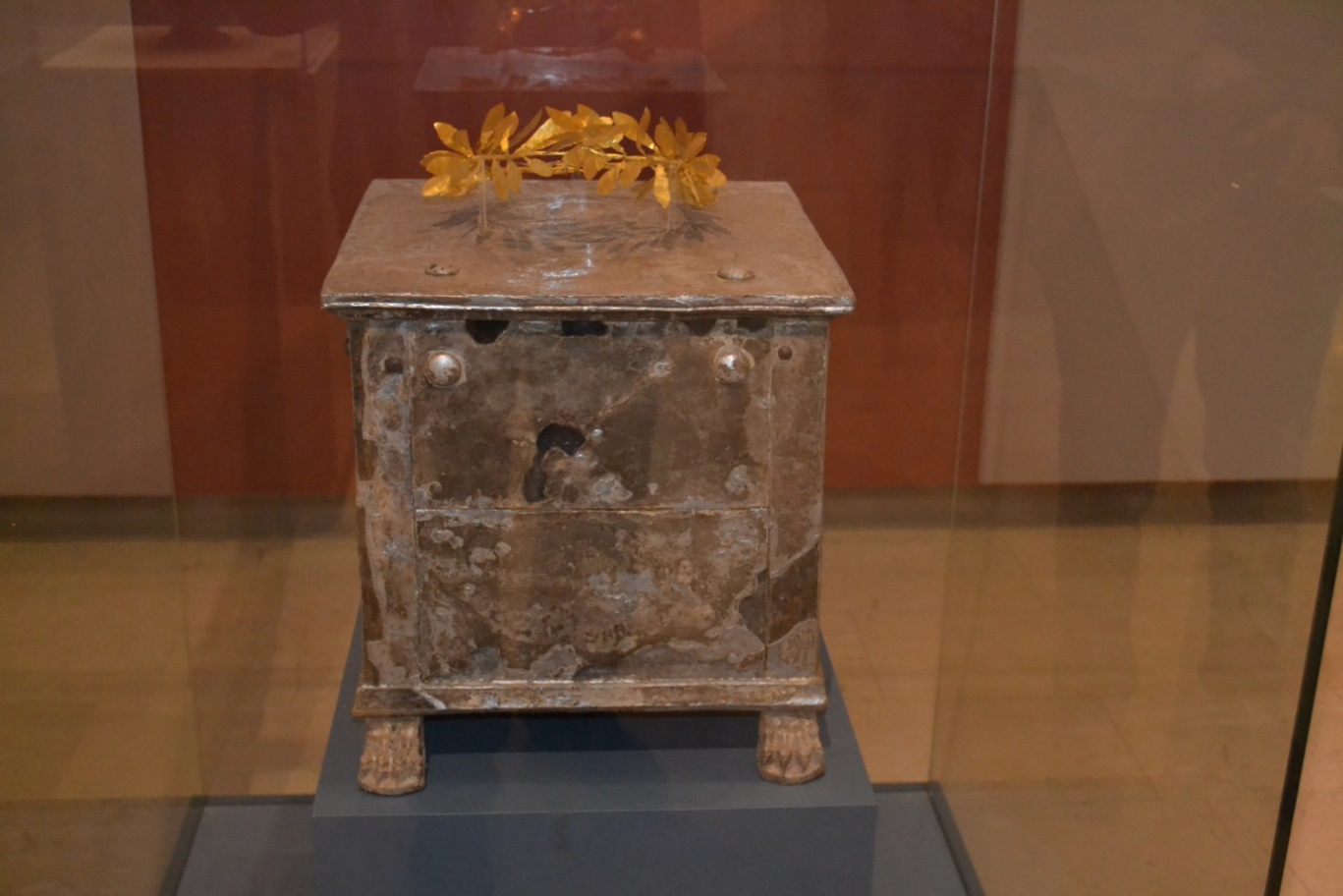
A special accent in the exposition is placed on a silver reliquary with a golden olive wreath, which probably belonged to the Spartan commander Brasidas who died here in battle with the Athenians in 422 BC, and a golden wreath coming from a male burial.
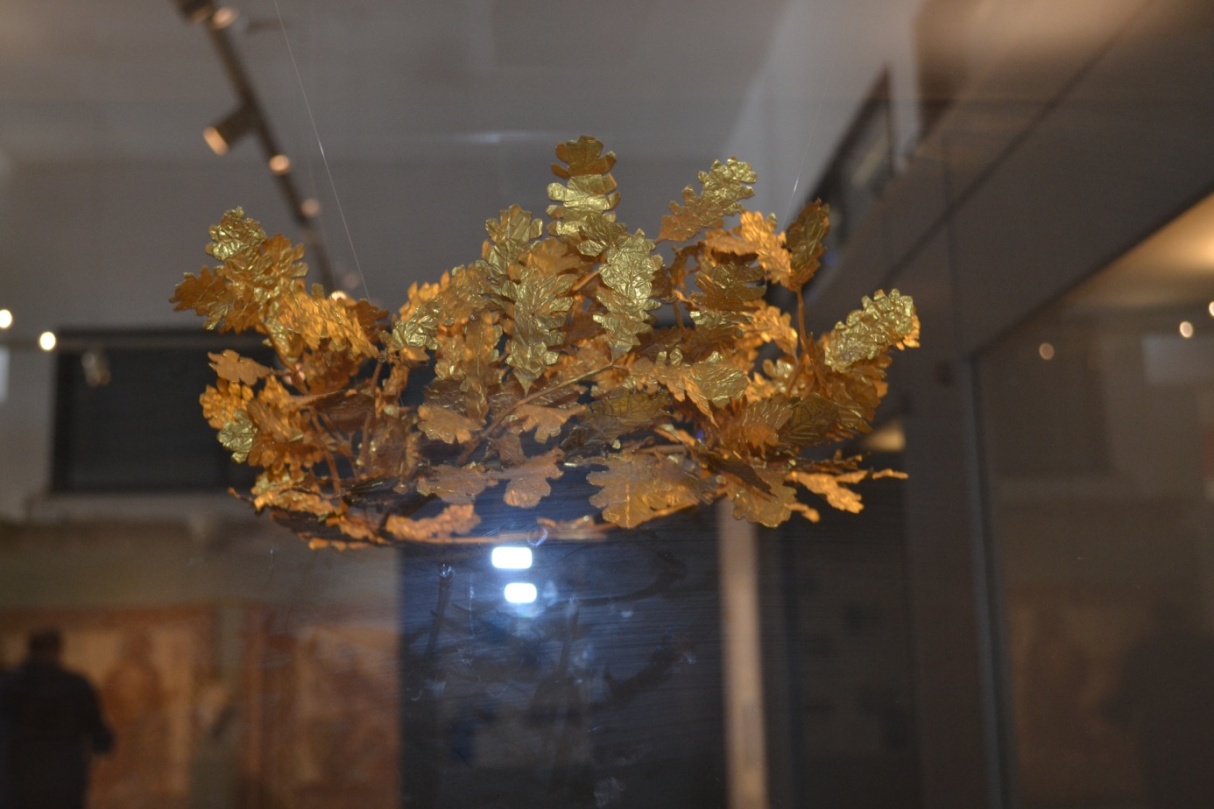
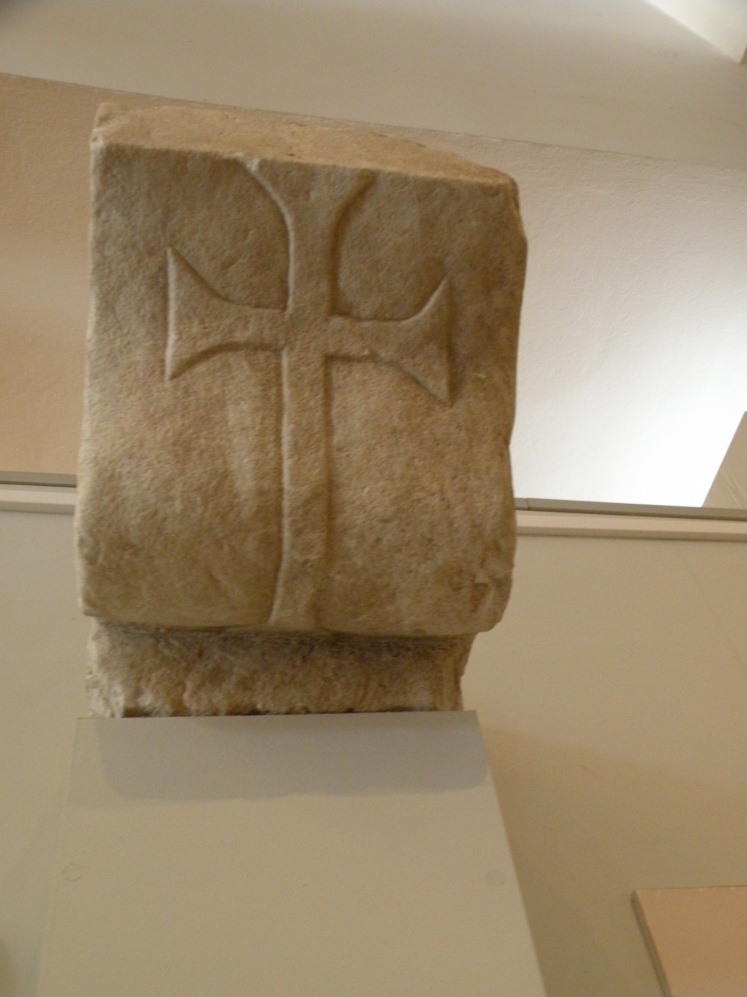
The museum exposition also features the mosaics found in the archeological complex of Roman dwellings in Amphipolis, as well as fragments of decorated marble architectural pieces from the five early Christian basilicas of the ancient city.
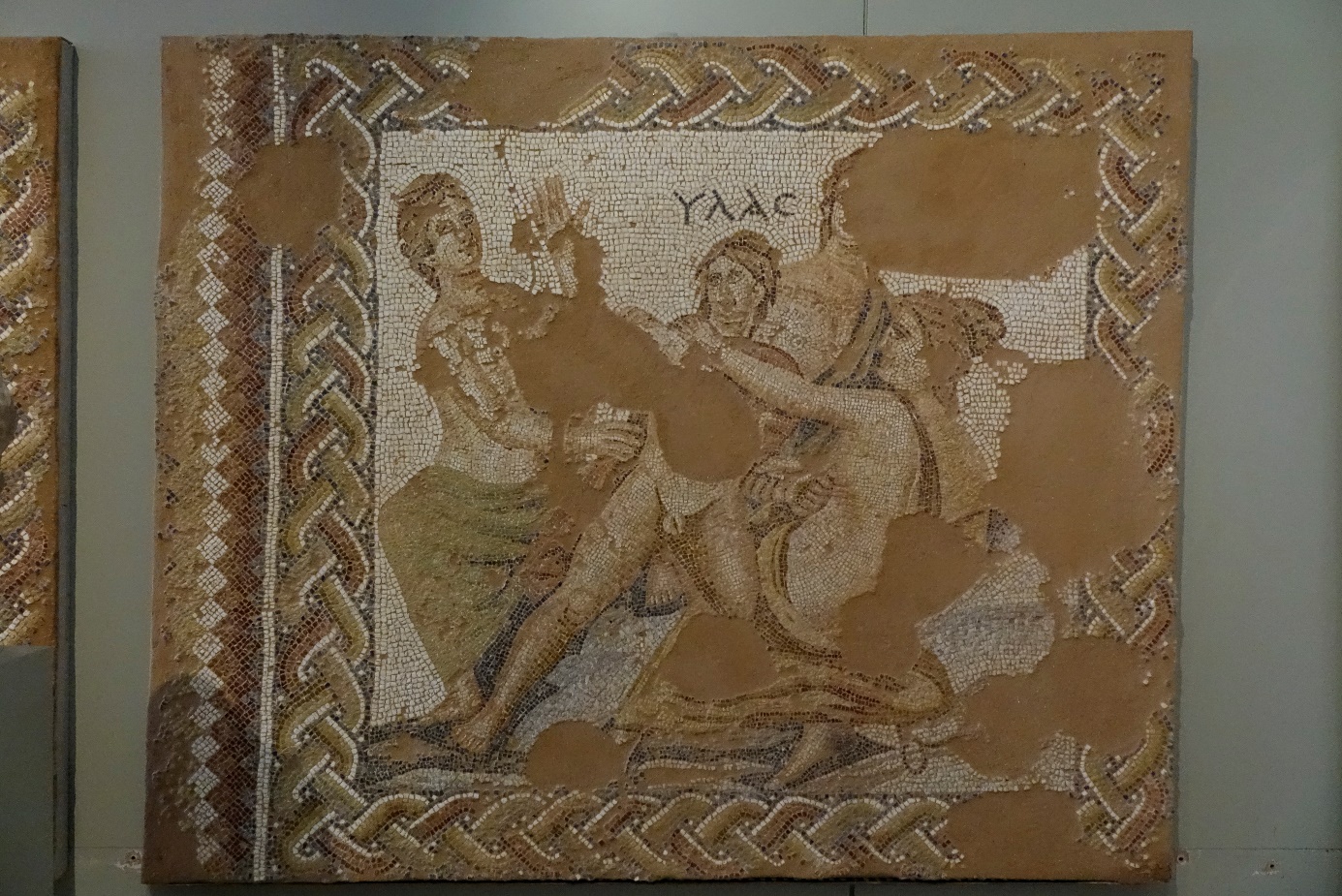
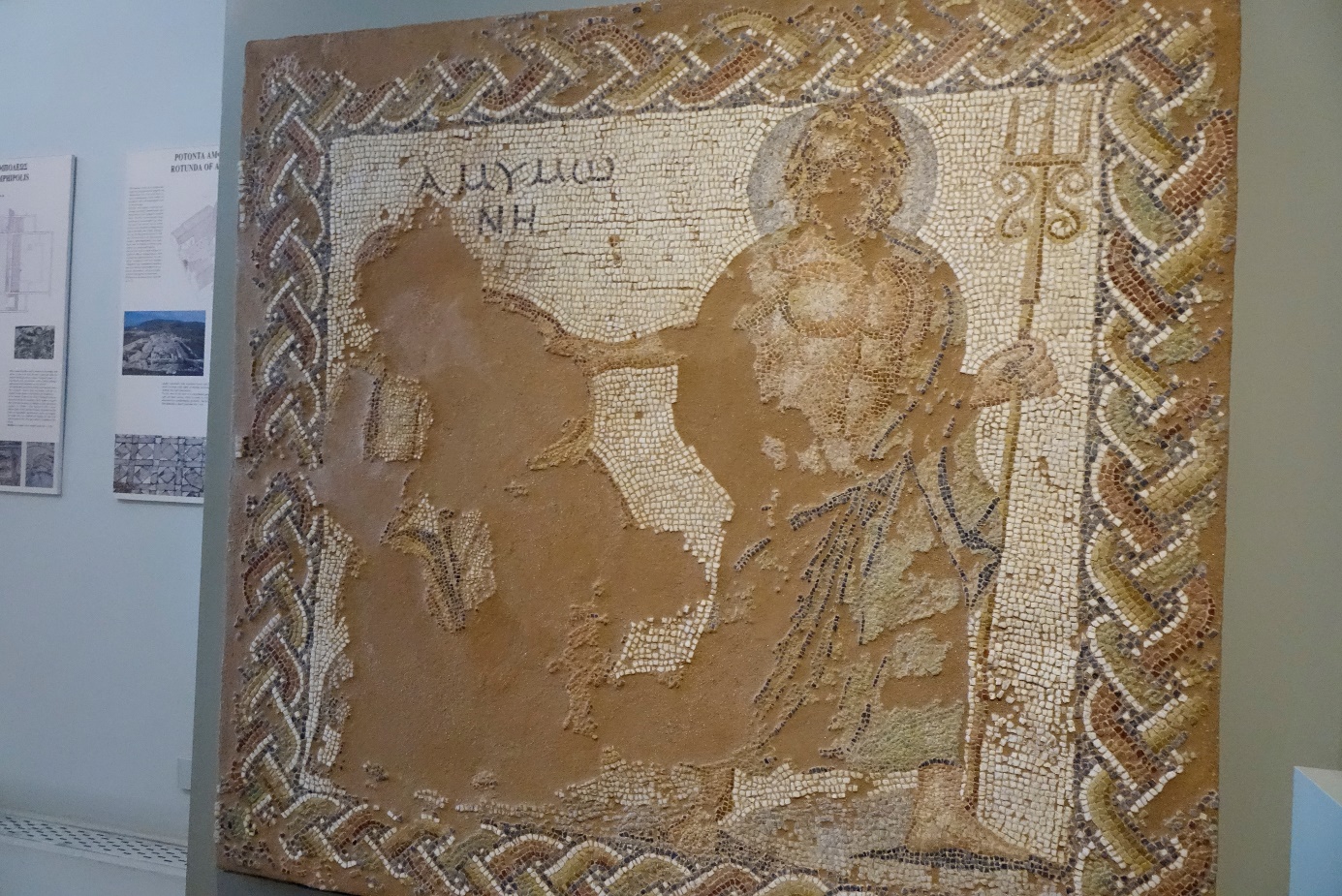
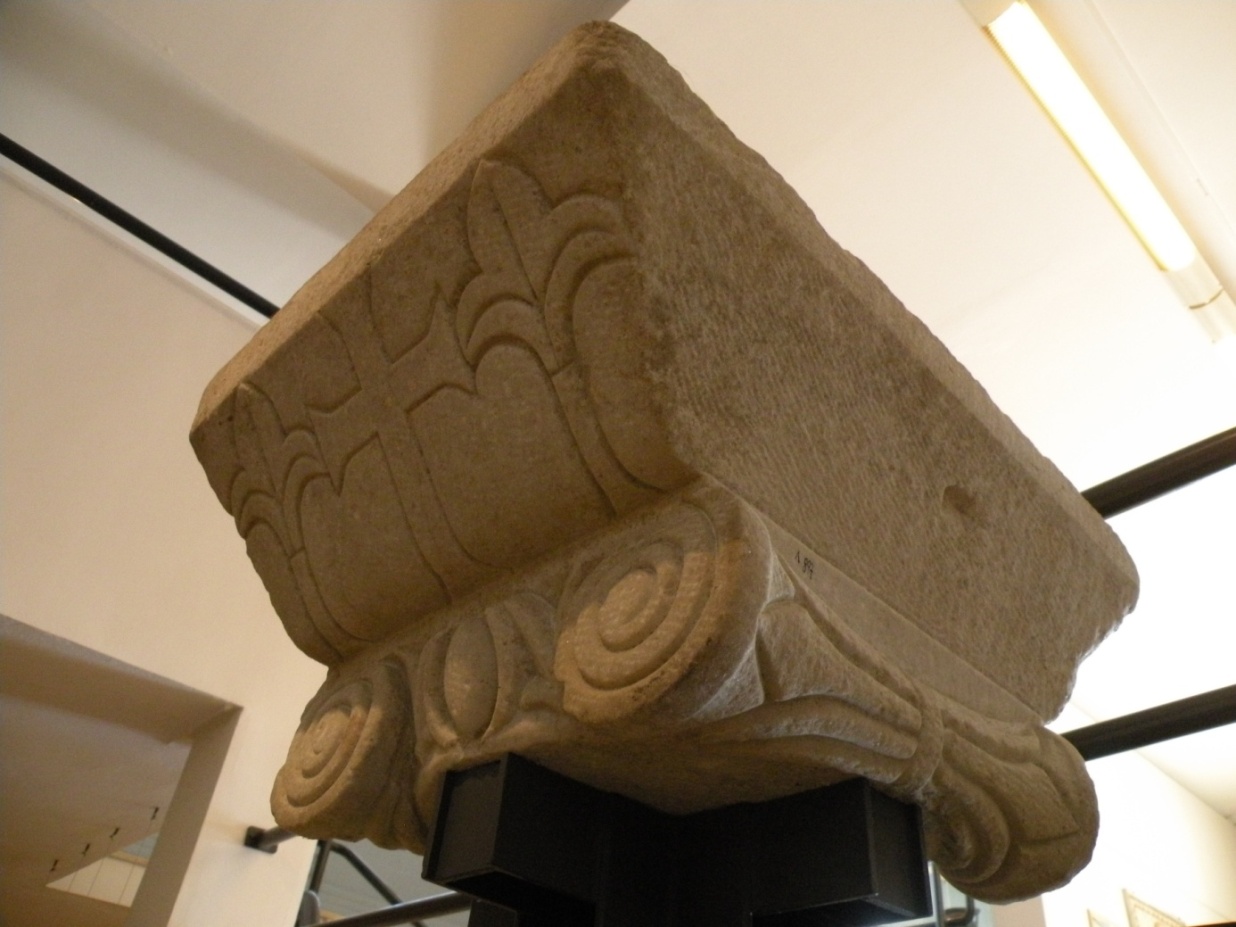
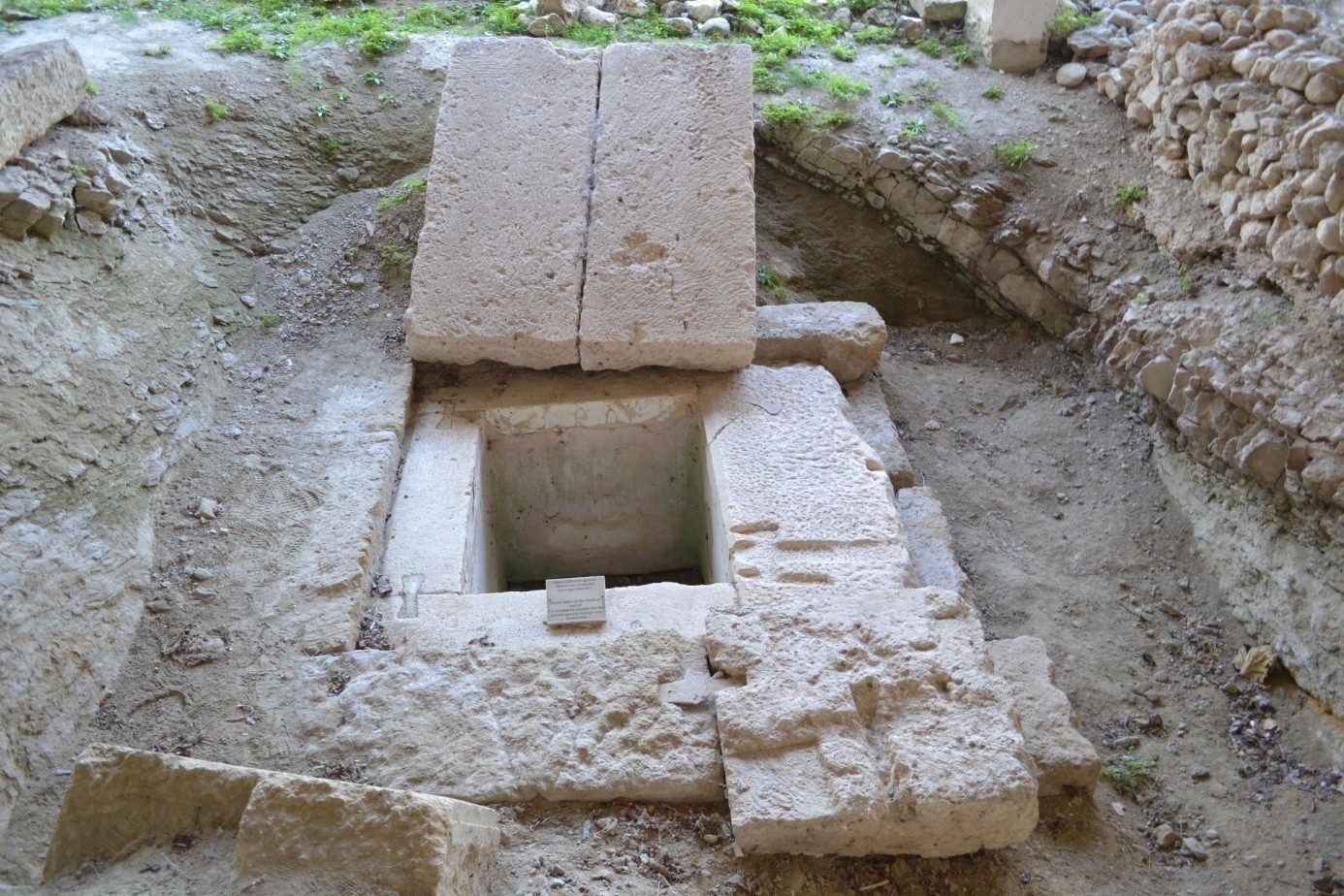
Under the building of the museum, the grave of the Spartan commander Brasidas is exposed “in-situ” (on site). It was discovered during the construction of the Archaeological Museum of Amphipolis.
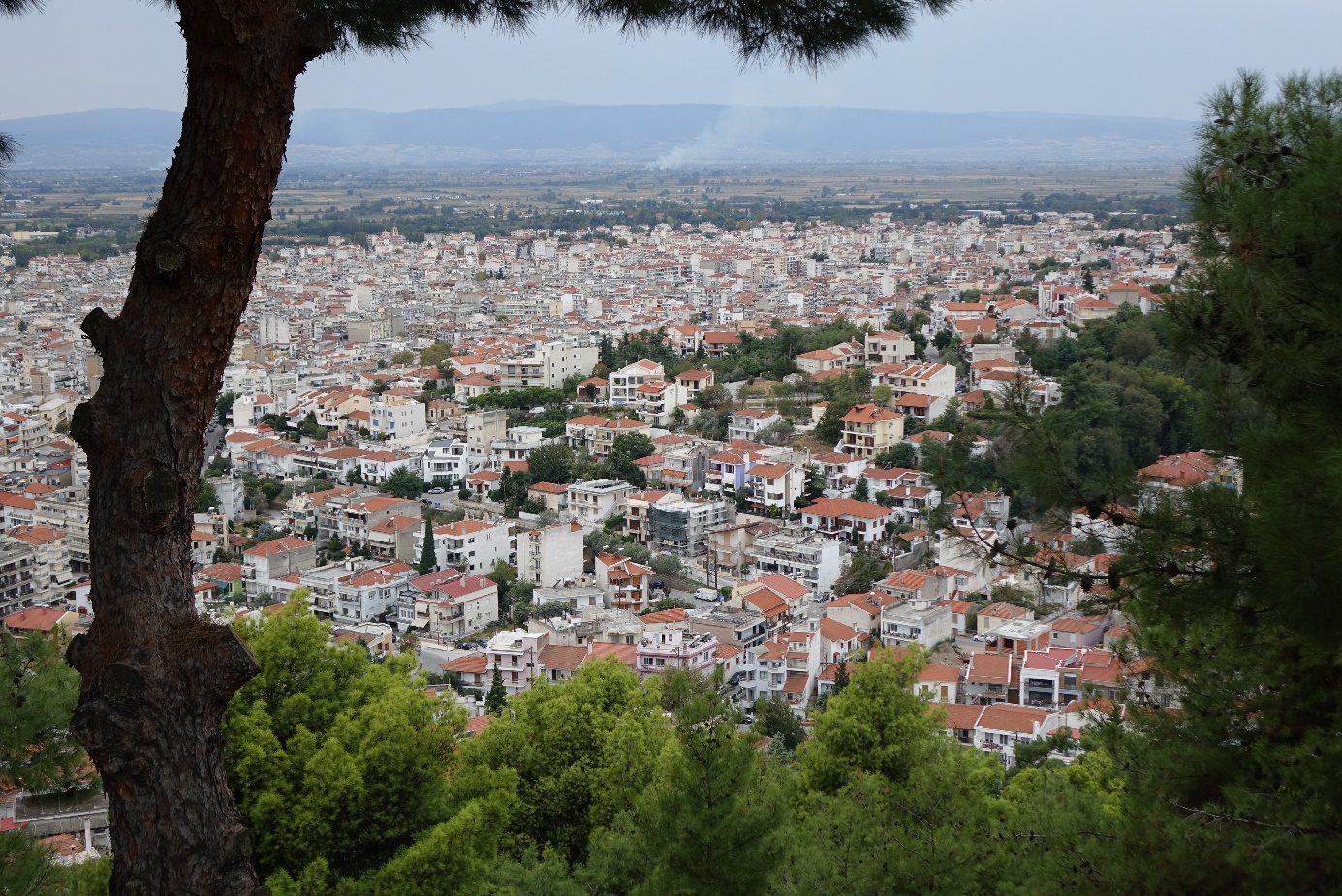
We continue our journey to the north to the ancient and medieval city of Serres.
Serres was first mentioned as Siris by the Greek historian Herodotus, the father of history, in the 5th century BC. It is also mentioned as Siras by Titus Livius as Siras, as well as by other ancient authors. The city had an important geo-strategic location on the road along the Struma River which in ancient times was navigable up to Kerkini Lake. The river is an important link between the Strymonian Gulf and the interior of Ancient Thrace. In ancient times, the region was inhabited by the Thracian tribes of Phrygians /Bryges and later by the Odomantes.
During the Roman era the city was mentioned in literary sources as Sirra, Sirraion. The name in that version has reached the present day. During the Byzantine era Serres is known as а big, strong and rich city, the capital of the Theme of Strymon.
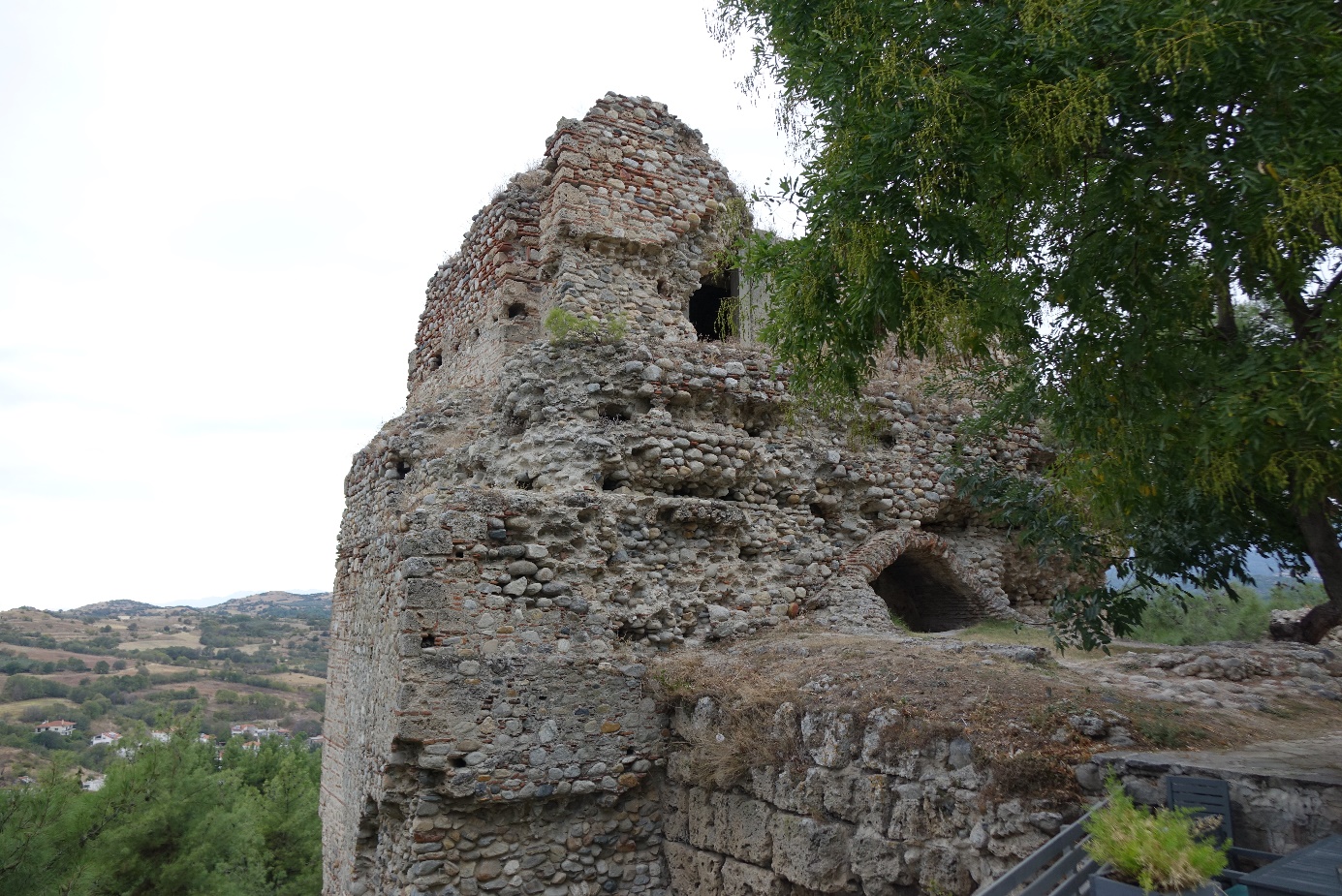
The most famous monument of the Byzantine era in Serres is the tower of the Acropolis of the city. It is known as the Tower of Orestes. It dates back to the 5th and 6th centuries AD. It served as a donjon – a place for the last defense of the fortress defenders.
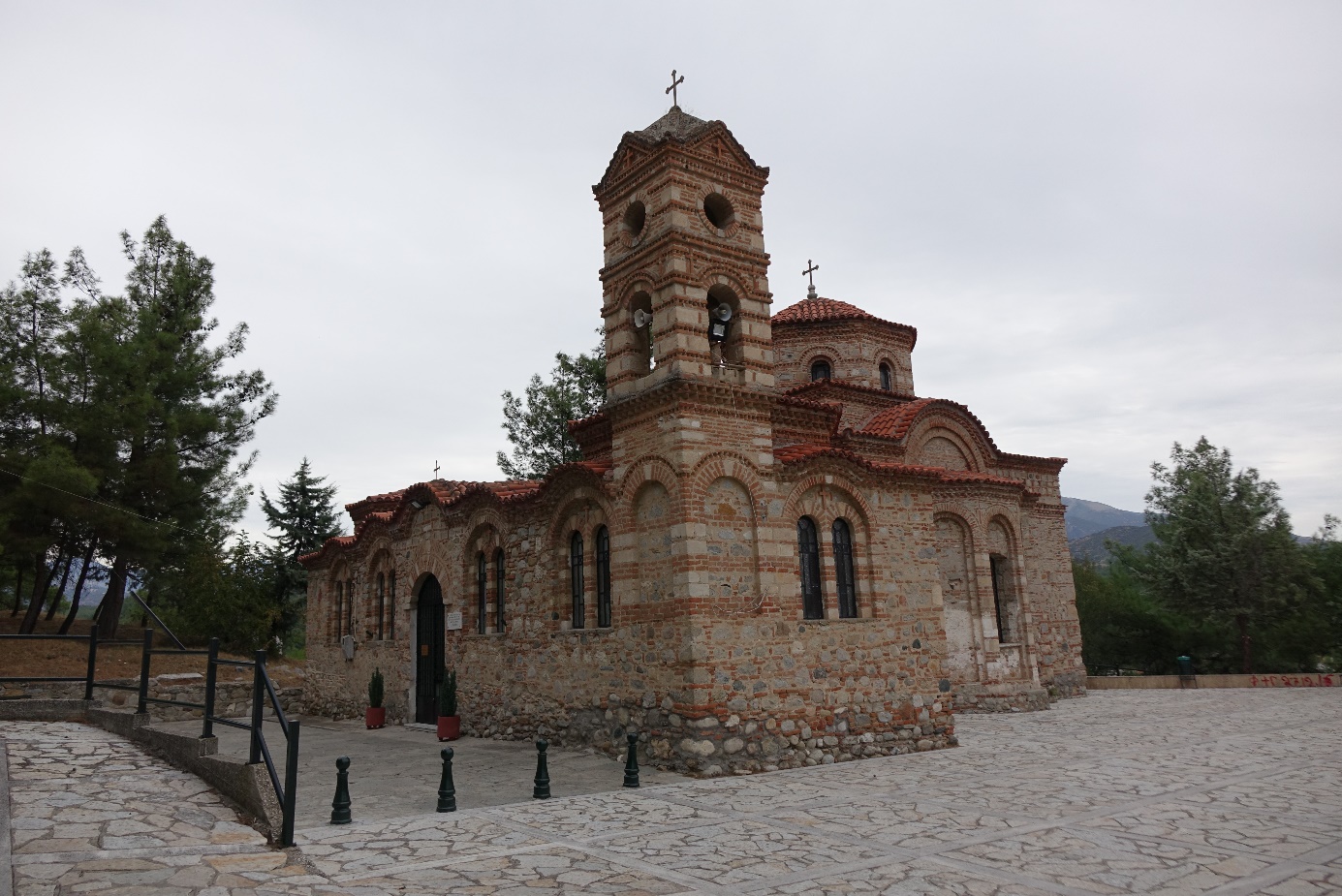
The church of St. Nicholas at the Acropolis of Serres also dates from the Byzantine era (XII century AD). It functioned as a cemetery temple with a crypt. The church was severely damaged during the Ottoman-Turkish period. It was restored in 1937.
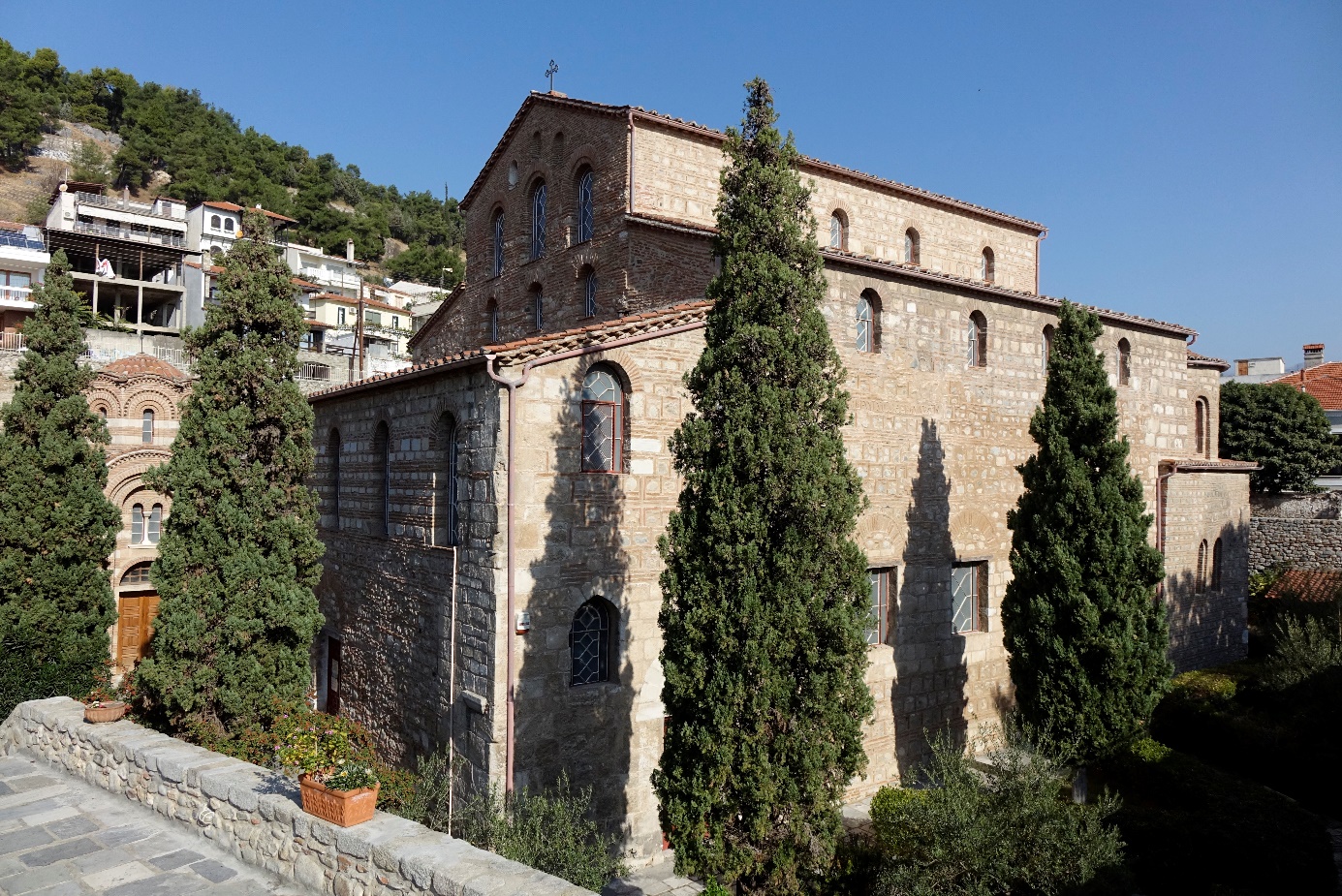
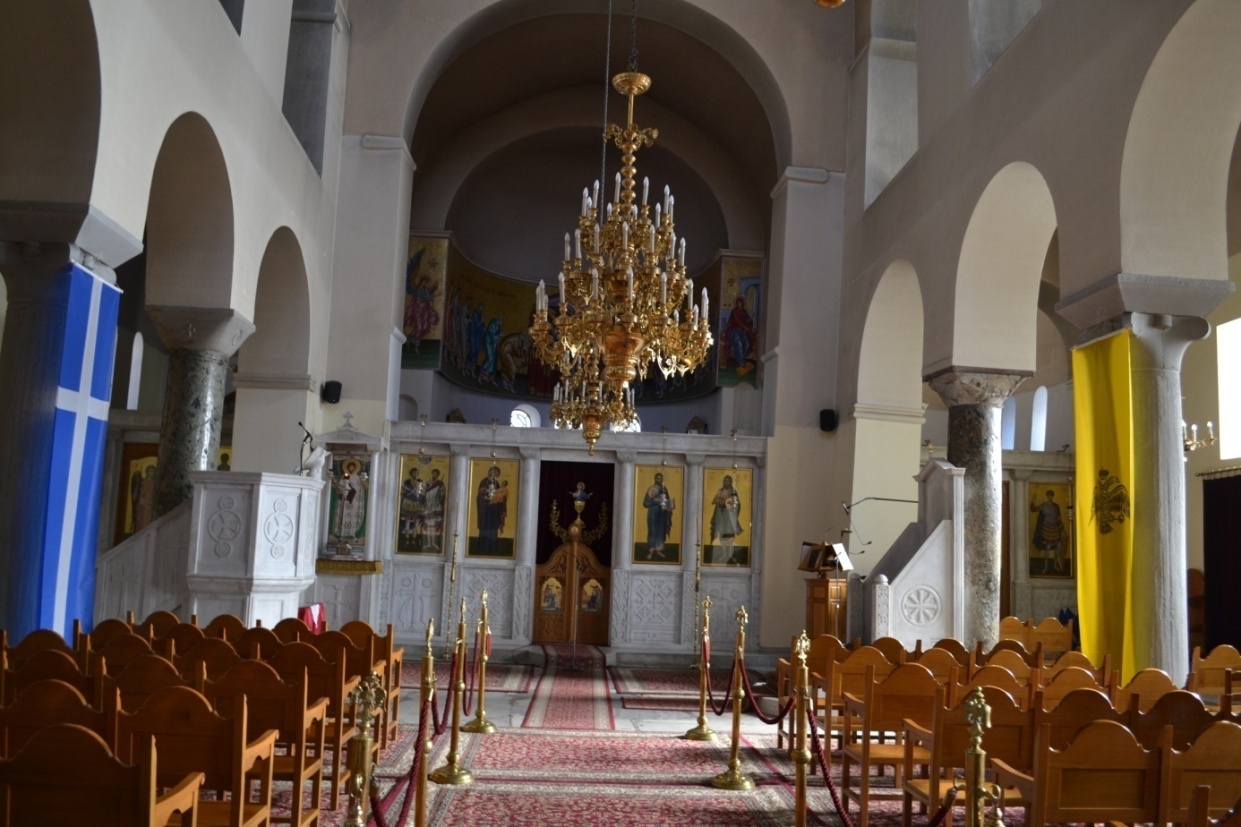
The church of St. Theodor Tyron and Theodore Stratelates known as the old Metropolis is very interesting as an architectural monument from the Byzantine era. It is considered to be the most important cultural and historical monument in Serres. It dates back to the 5th and 6th centuries AD. The temple functioned as a metropolitan church throughout the Byzantine period and later.
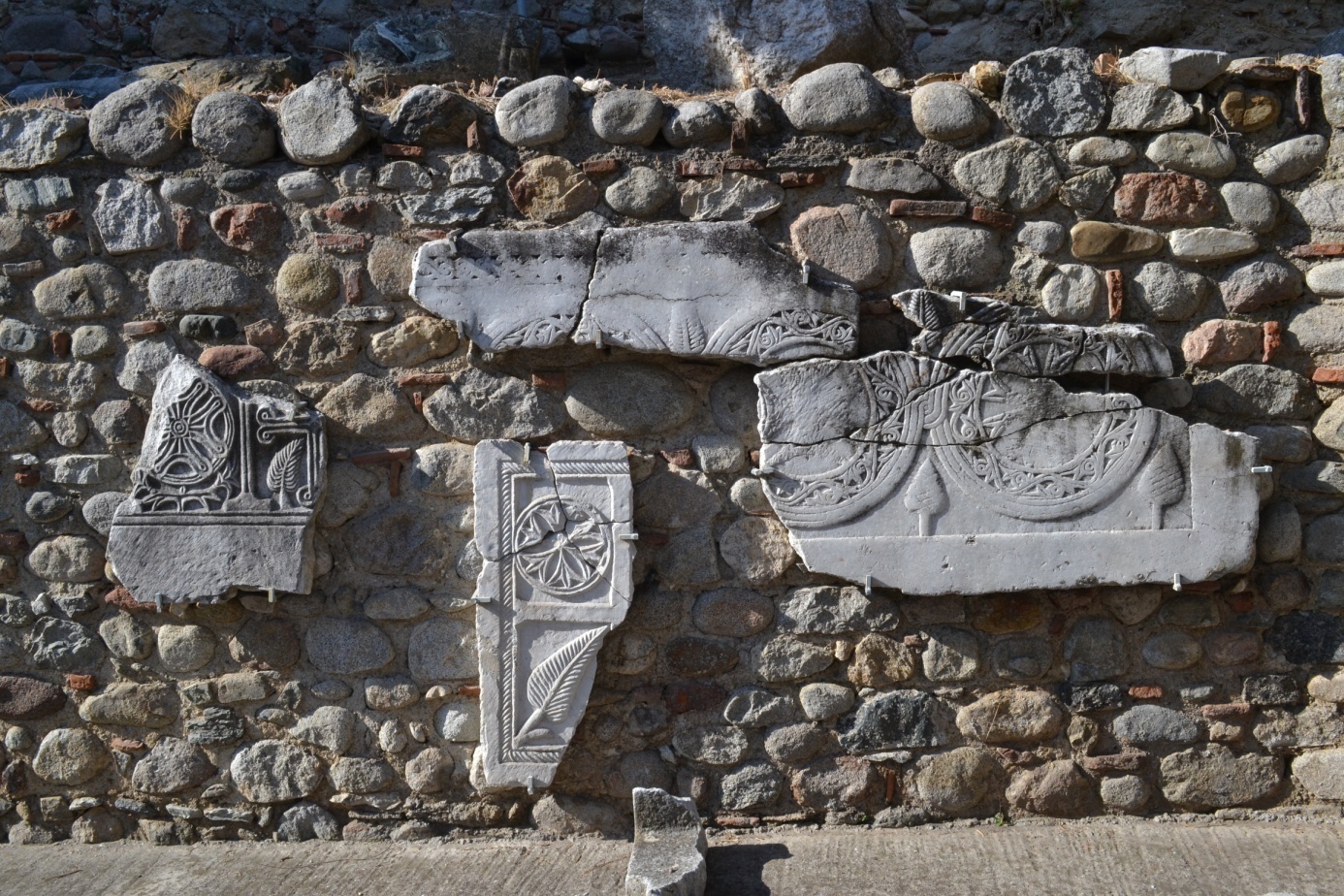
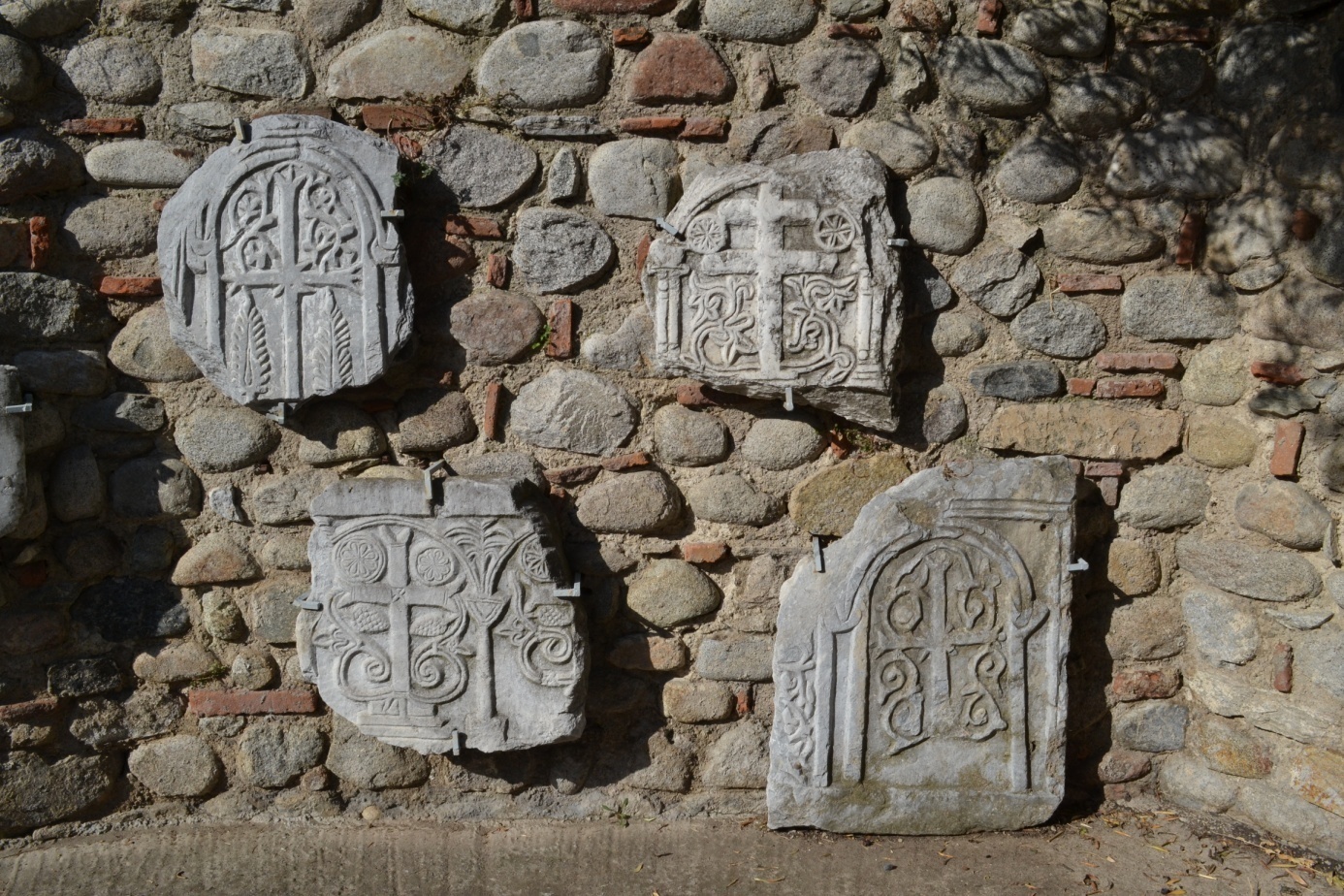
There is a museum in the courtyard of the church. There are Byzantine reliefs which were part of the temple decoration as well as burial steles and epigraphic monuments from Serres and the region.
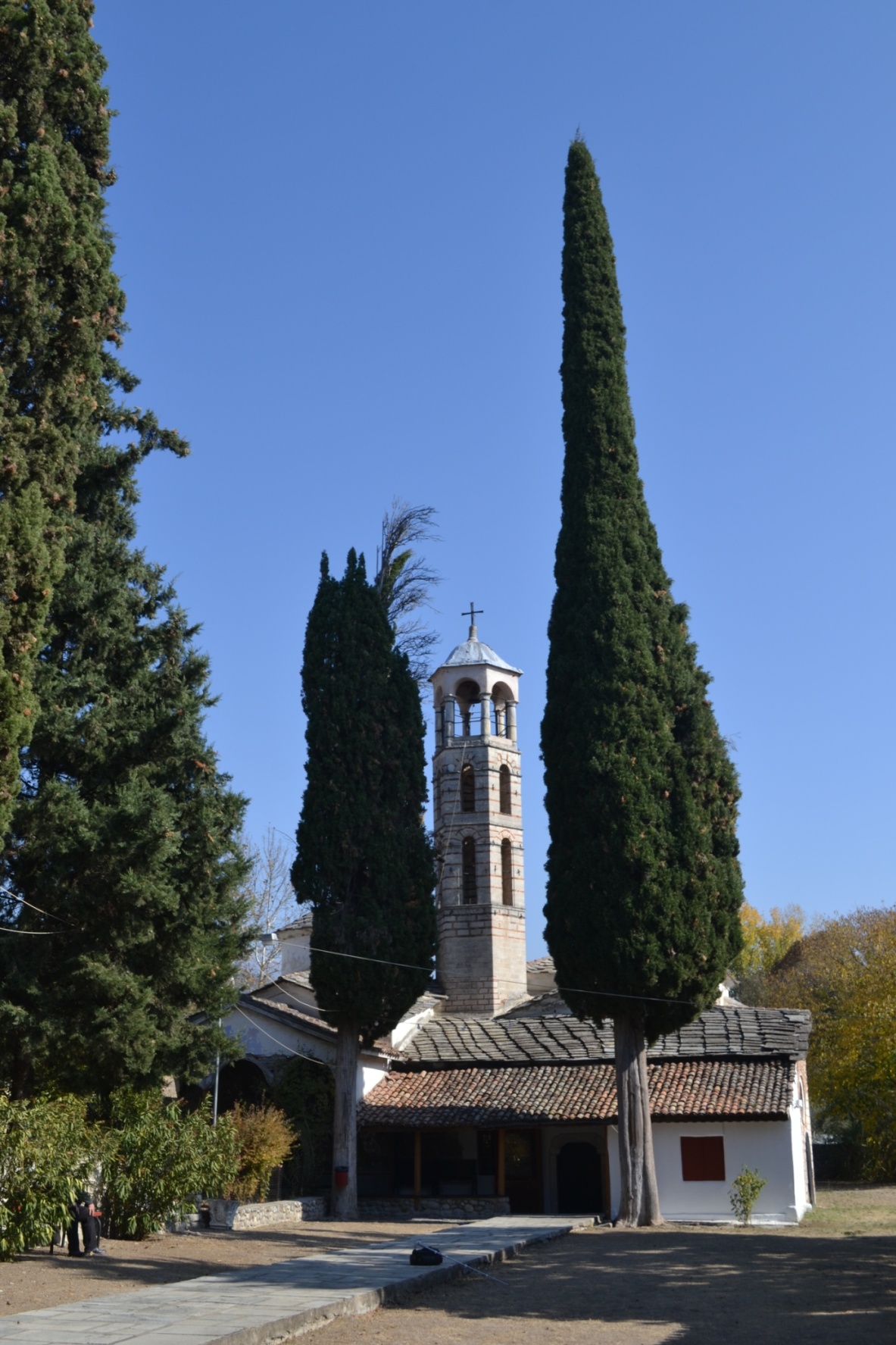
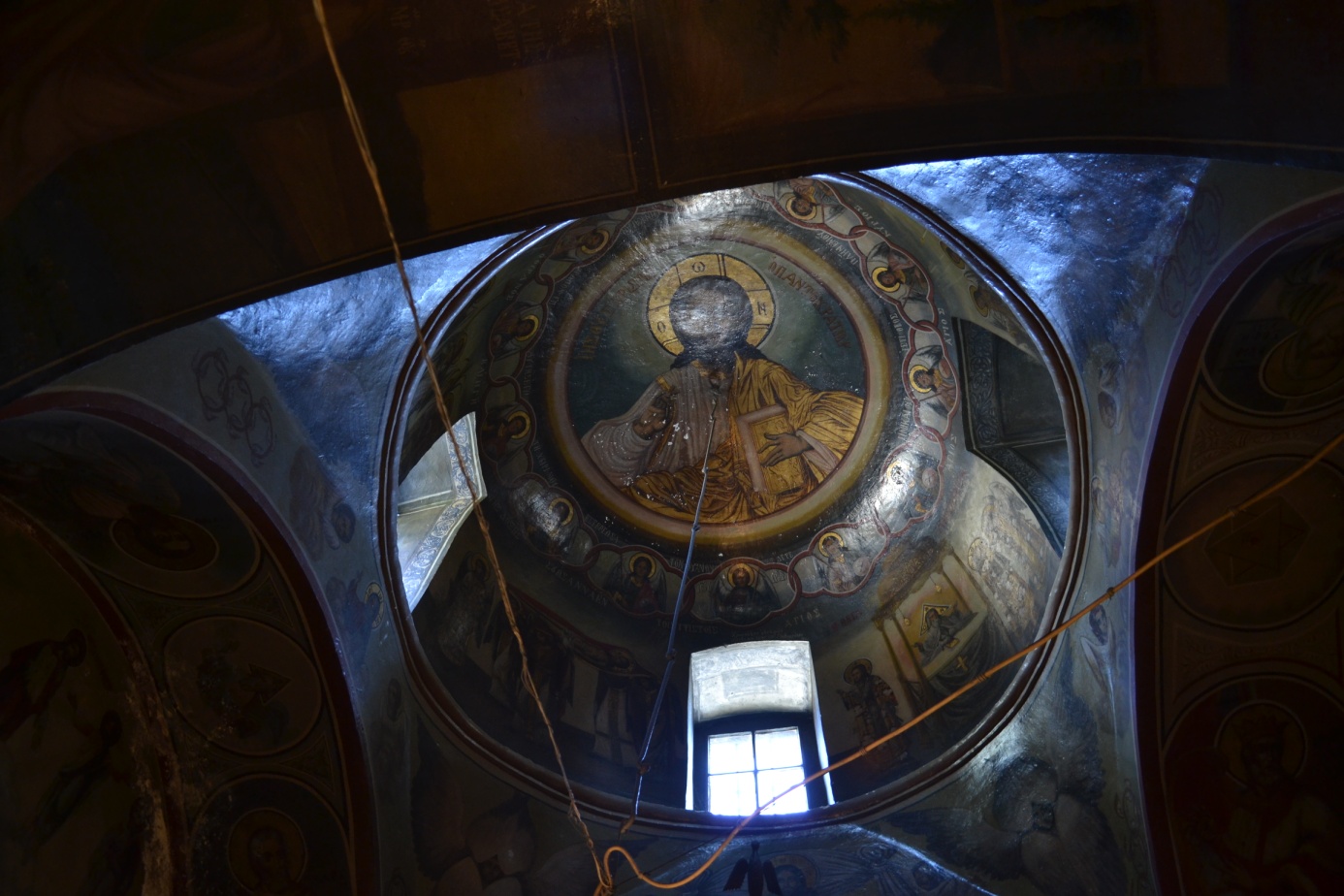
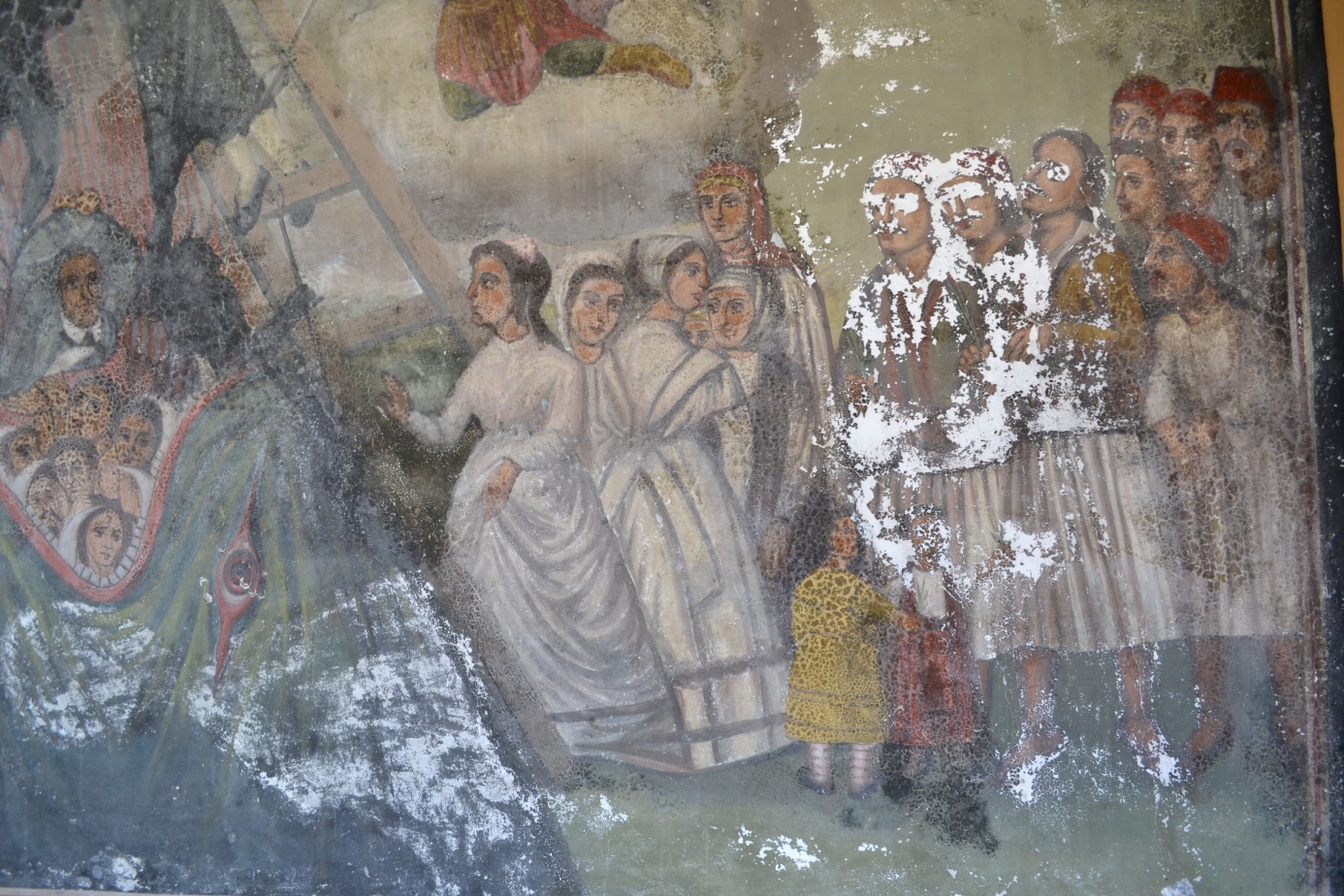
The temple of St. Georgios Kryoneritis is also a medieval Byzantine church. It dates from the time of Emperor Andronikos in 1298. In 1384 it was donated to the monastery of St. Yoan Prodromos (Ioannou Prodromou) and is still under its jurisdiction. The monumental painting and the icon in the temple refer to the Revival period.
Archaeological Museum of Serres
http://www.museumsofmacedonia.gr/Archaeological_and_Byzantine/Arx_Serrvn.html
The museum was founded in 1968. It is located in the Bezisten of Serres.
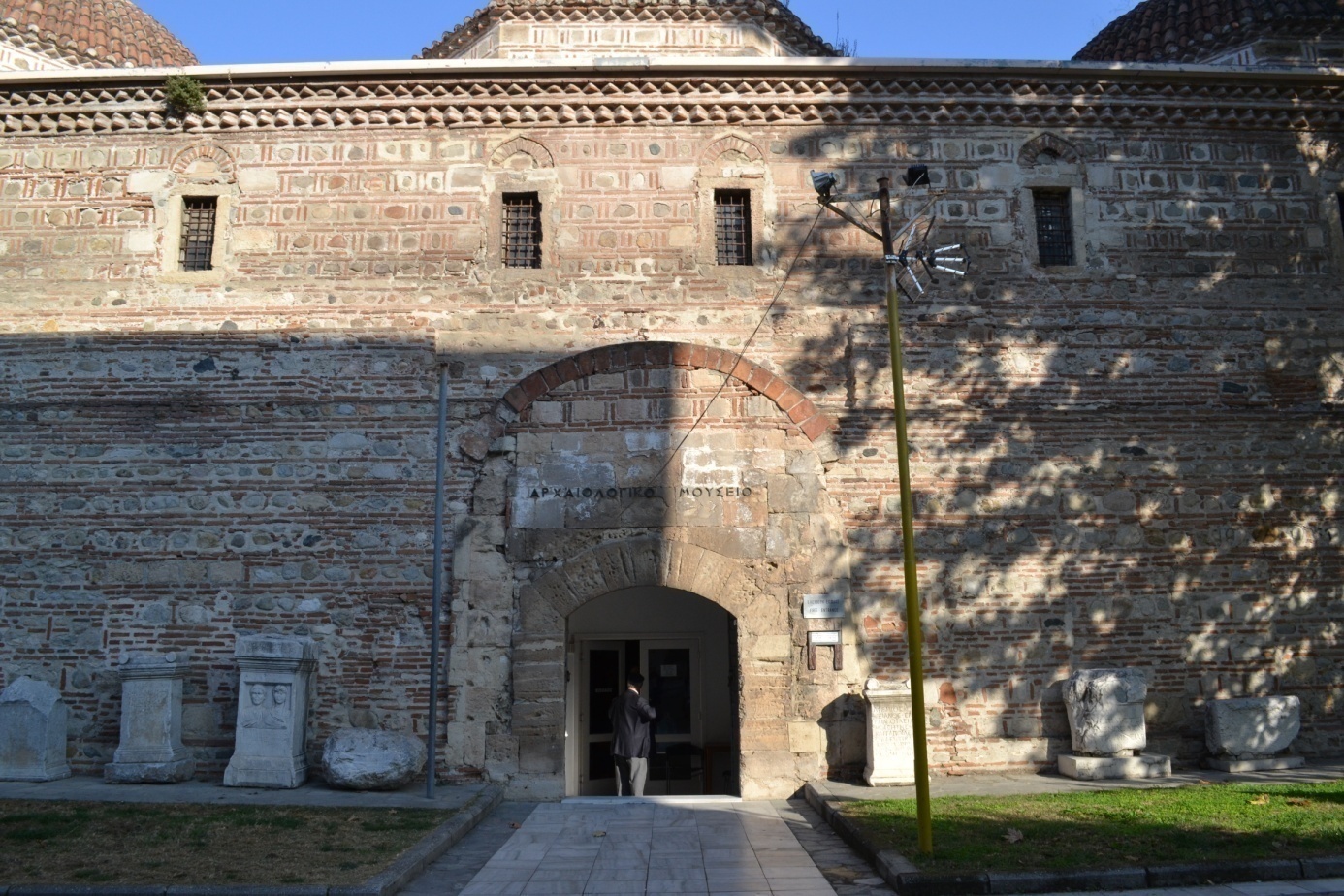
The building dates back to the 15th century. It is located on “Eleftheria” square of Serres. It was built during the Ottoman-Turkish period to serve as a covered market for fabrics. The Bezisten of Serres is a one-story building with dimensions 21 by 31 metres. It is covered with tiles and has six domes. After being restored and renovated, it is now functioning as an archaeological museum where the archaeological finds from Serres district of all periods are located.
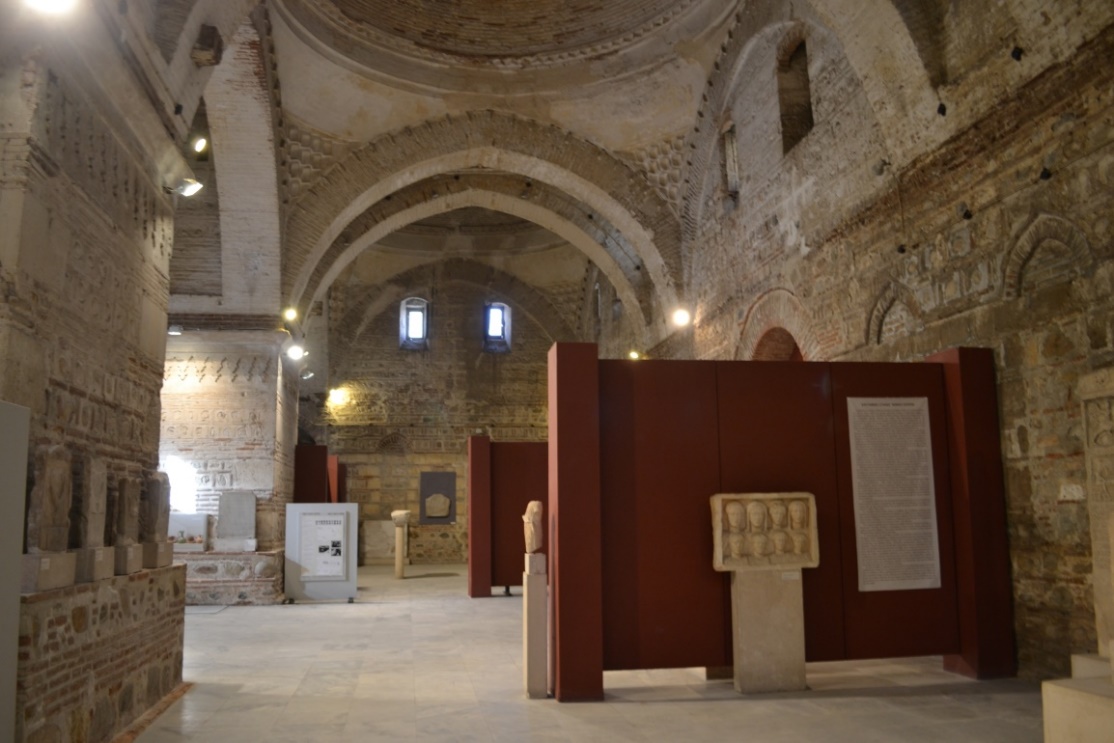
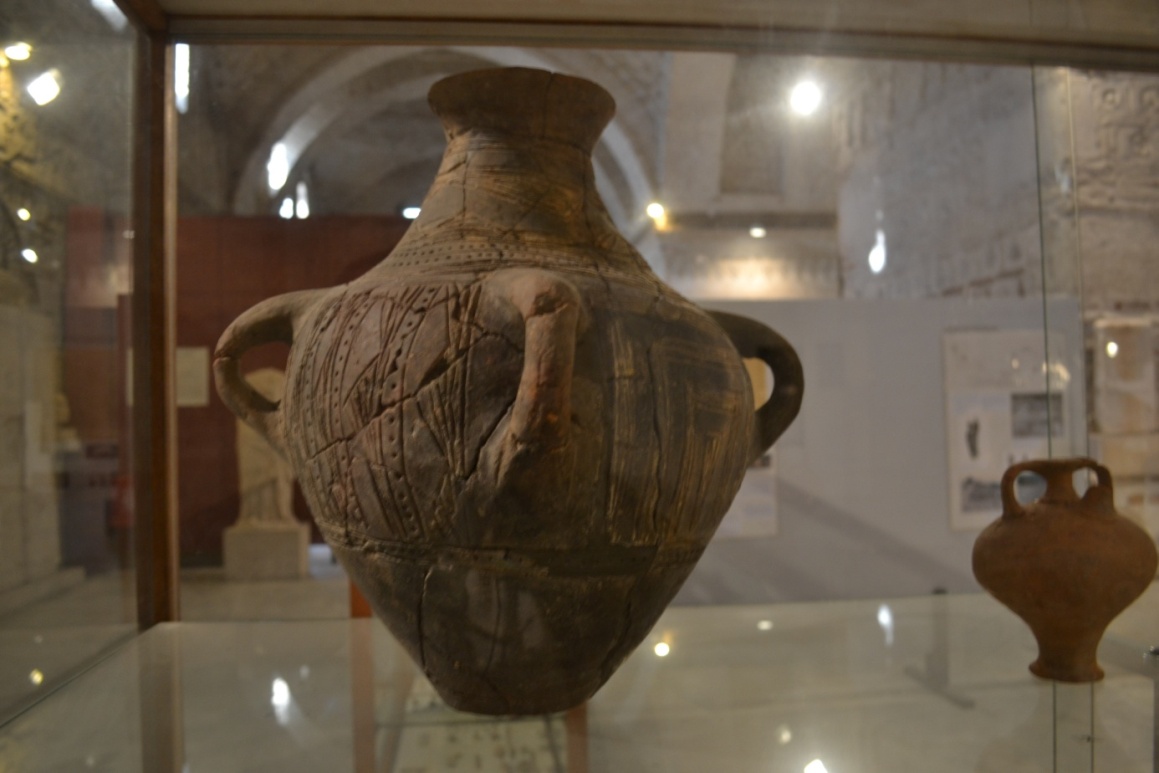
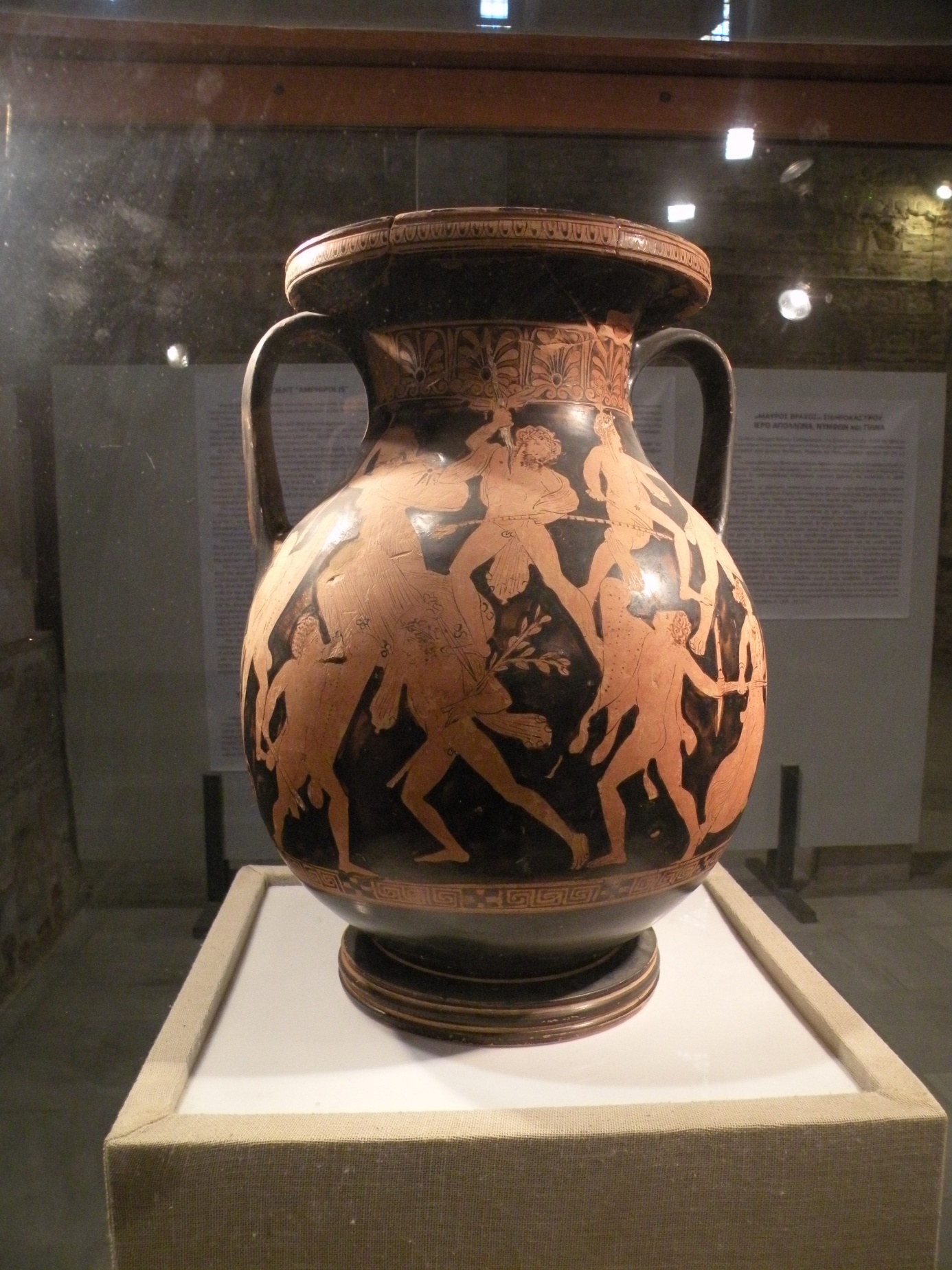
You can see prehistoric exhibits from the excavations at Promachonas and Kryoneri, also exhibits from the Archaic, Classical, Hellenistic and Roman period (ceramic complexes, statuary and embossed plastic arts and epigraphic monuments) from Argilos, Amphipolis, Vergi, Terpni, Neos Skopos which after new excavations is associated with the ancient Vergi, the Black Rock sanctuary near Sidirokastro with the statues of Apollo, Nymphs and Pan, Gazoros, ancient Tragilos, and Serres. The monuments represent life and culture during antiquity on the territory of Serres district.
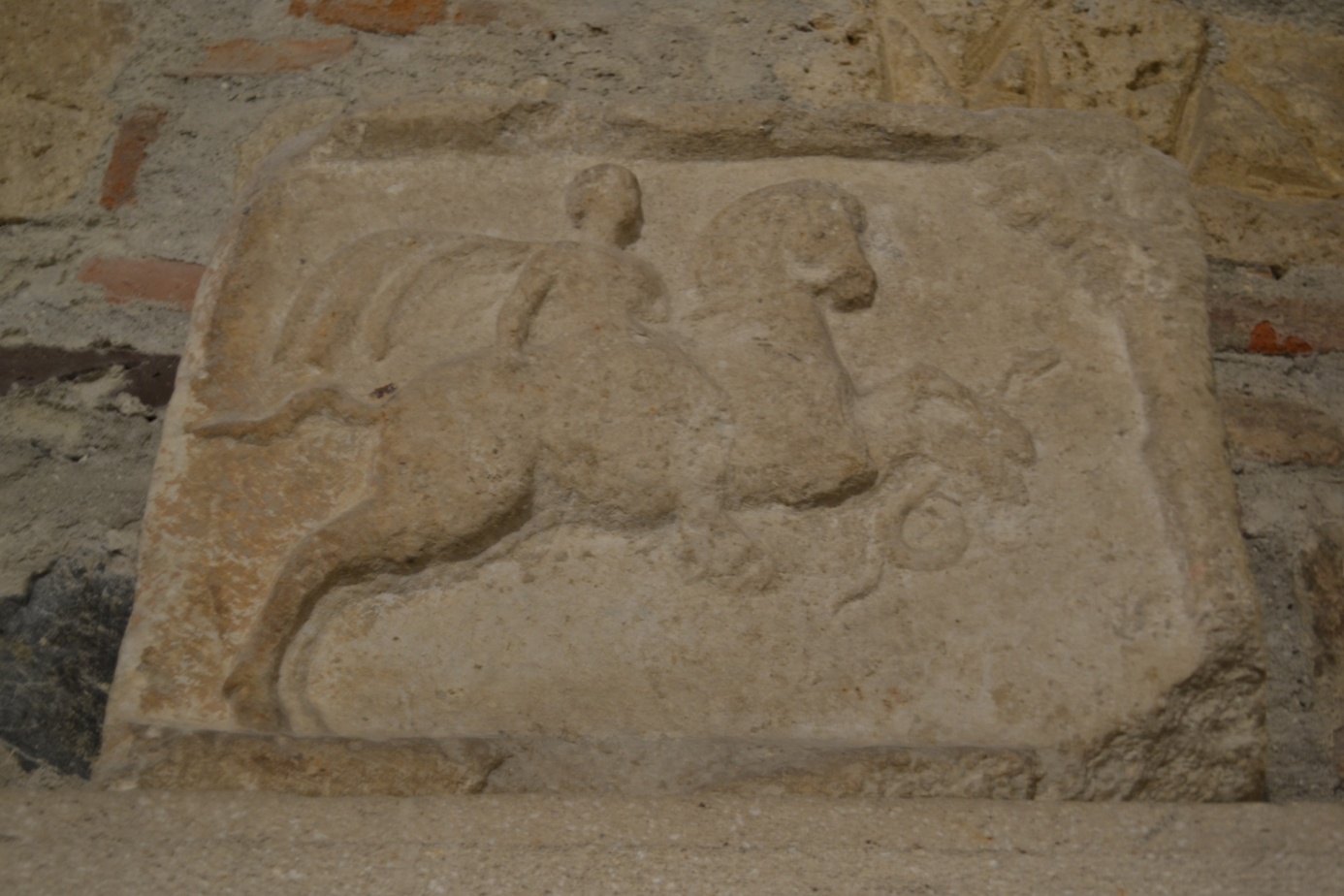
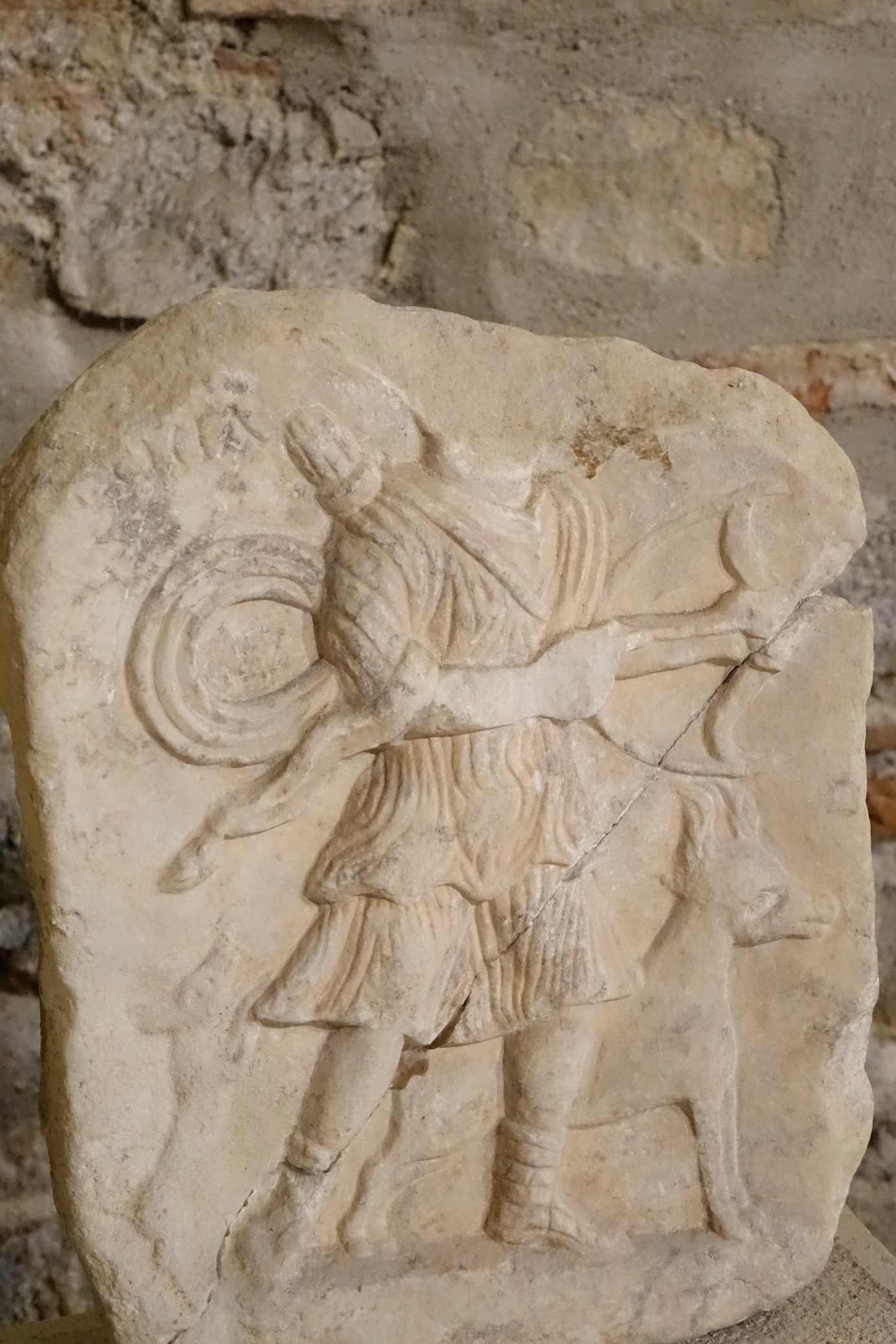
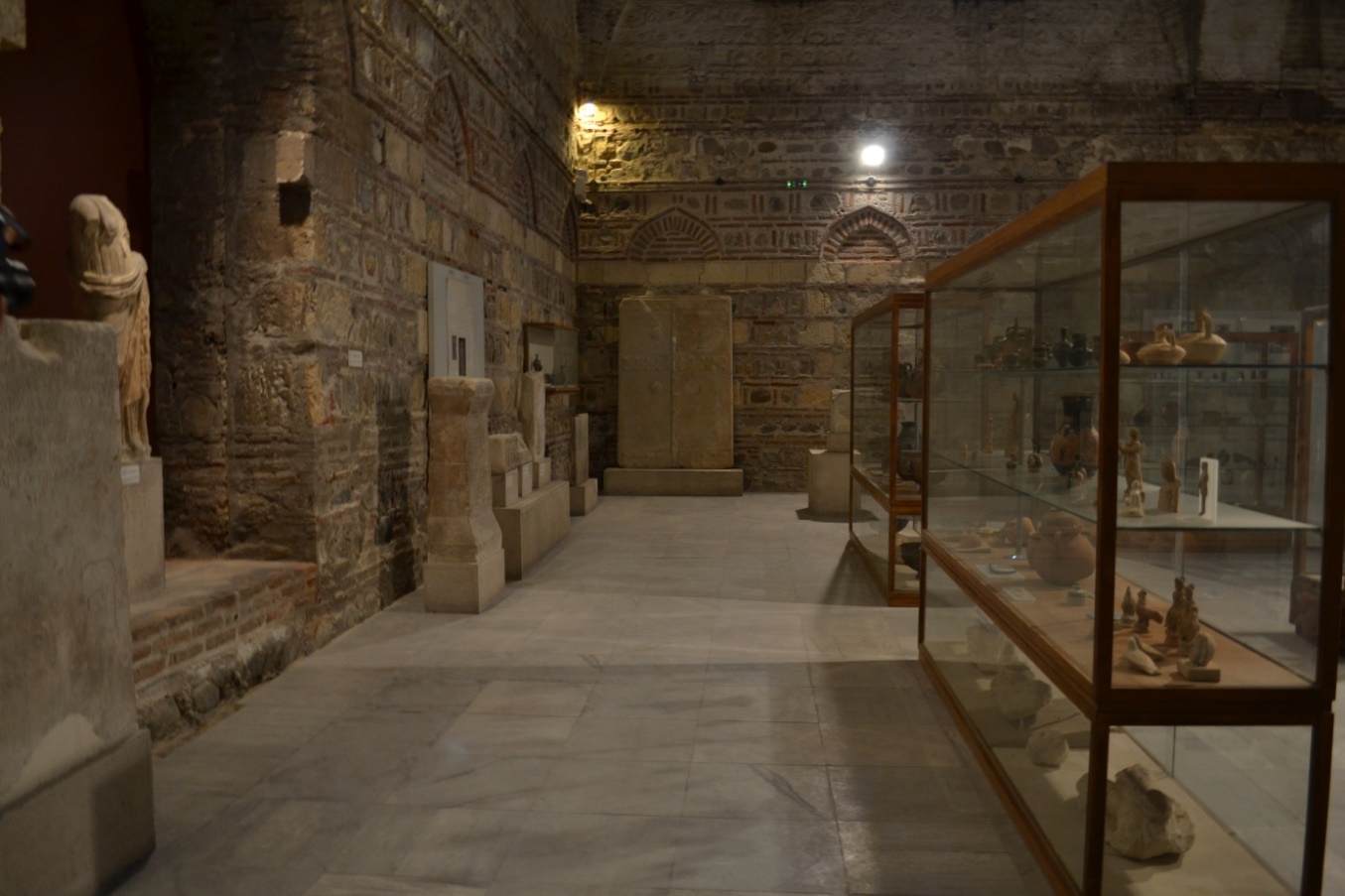
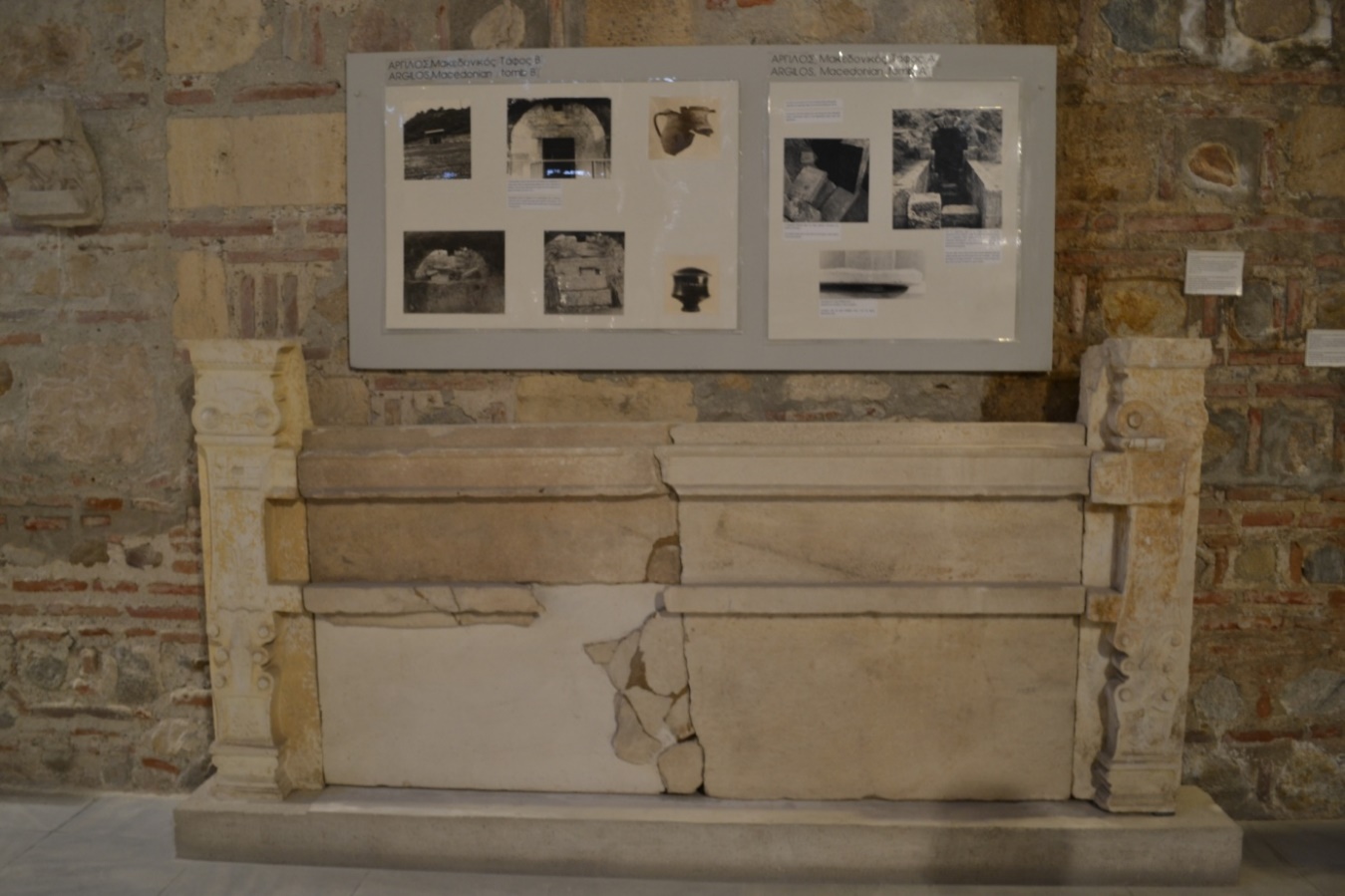
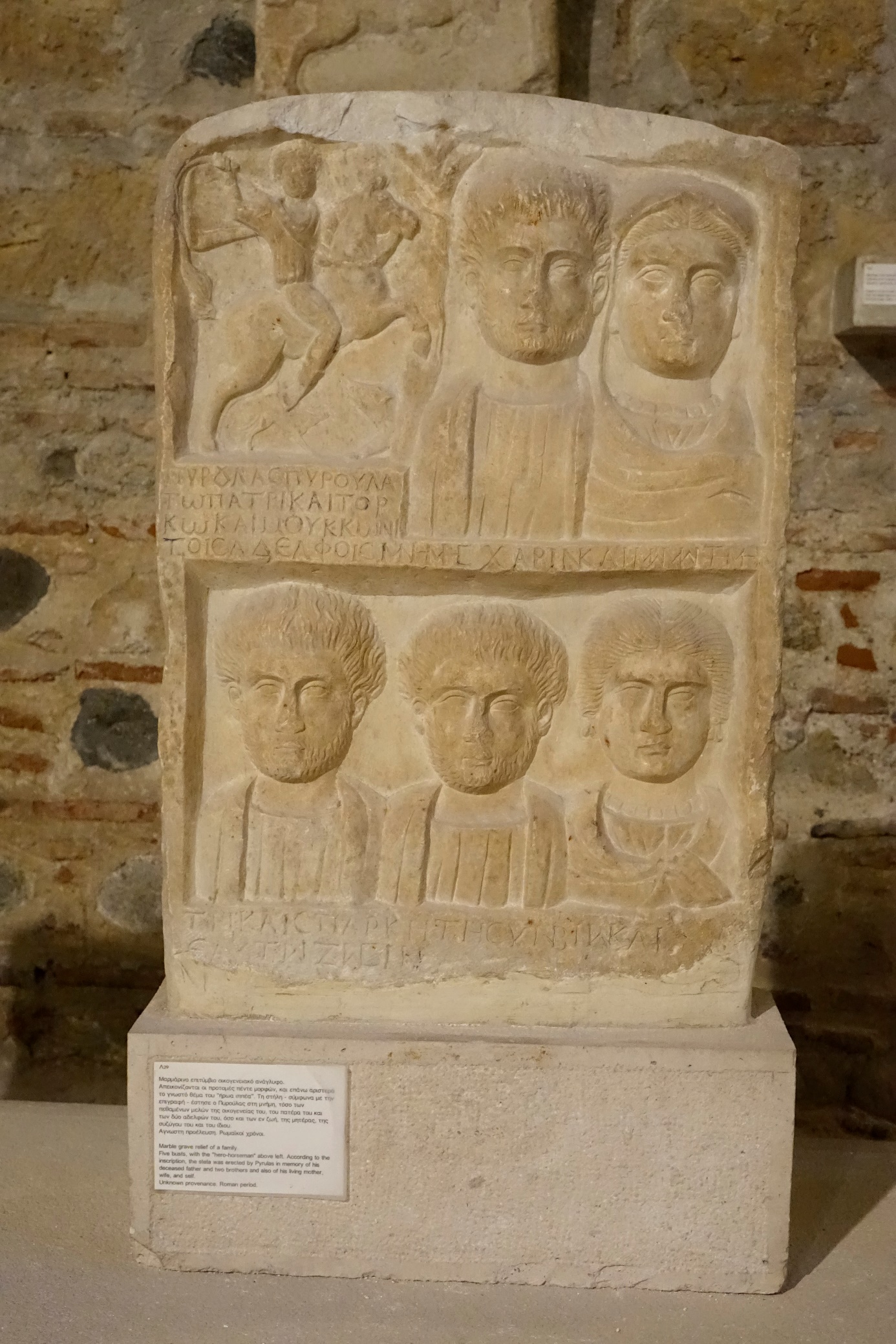
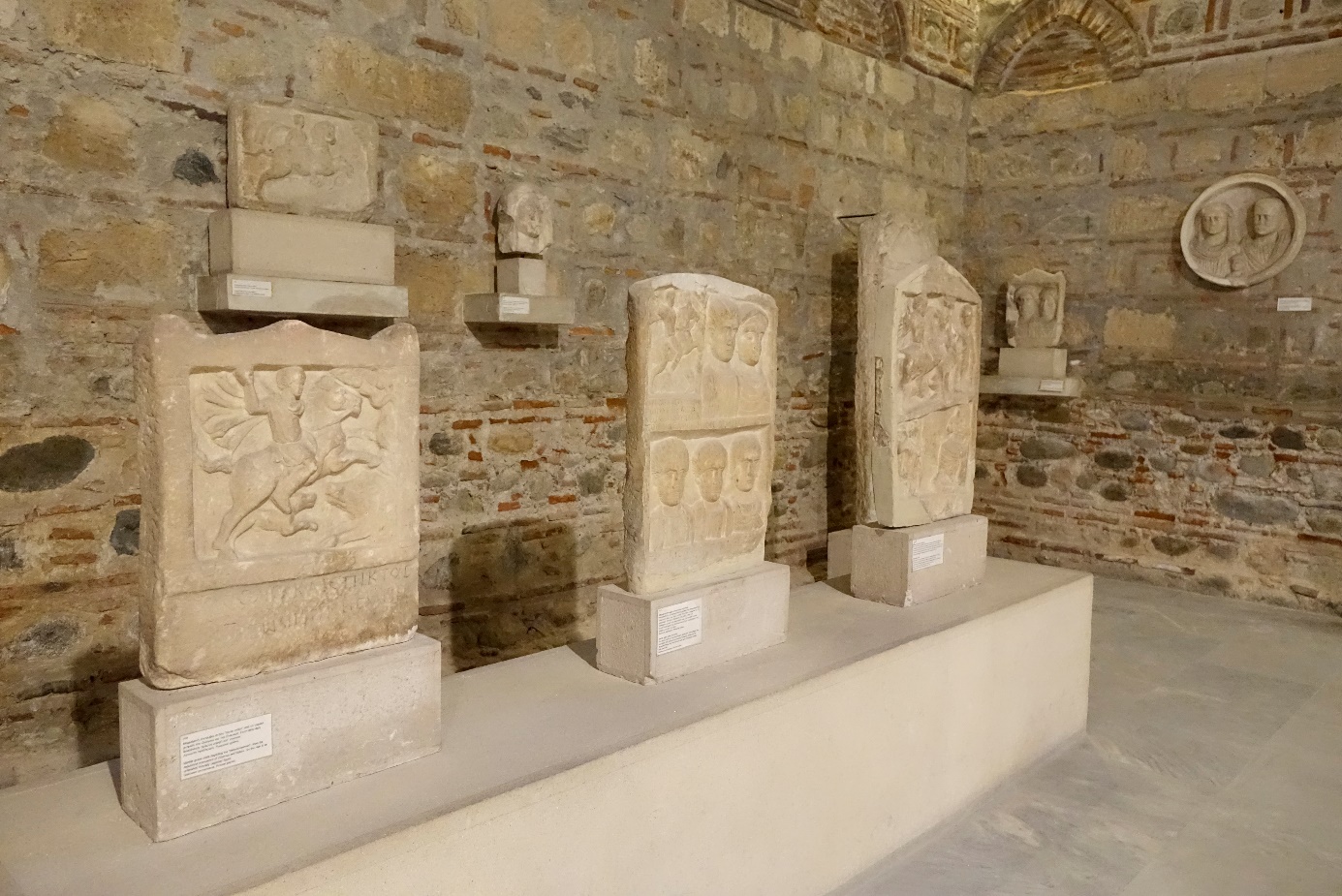
A special place in the exposition is dedicated to the tomb reliefs of the Roman era. They are a specific group representing the Roman portrait in the region and they show close contacts of culture from the Roman era with the region of Middle Struma (the regions of modern cities Sandanski and Blagoevgrad in Bulgaria).
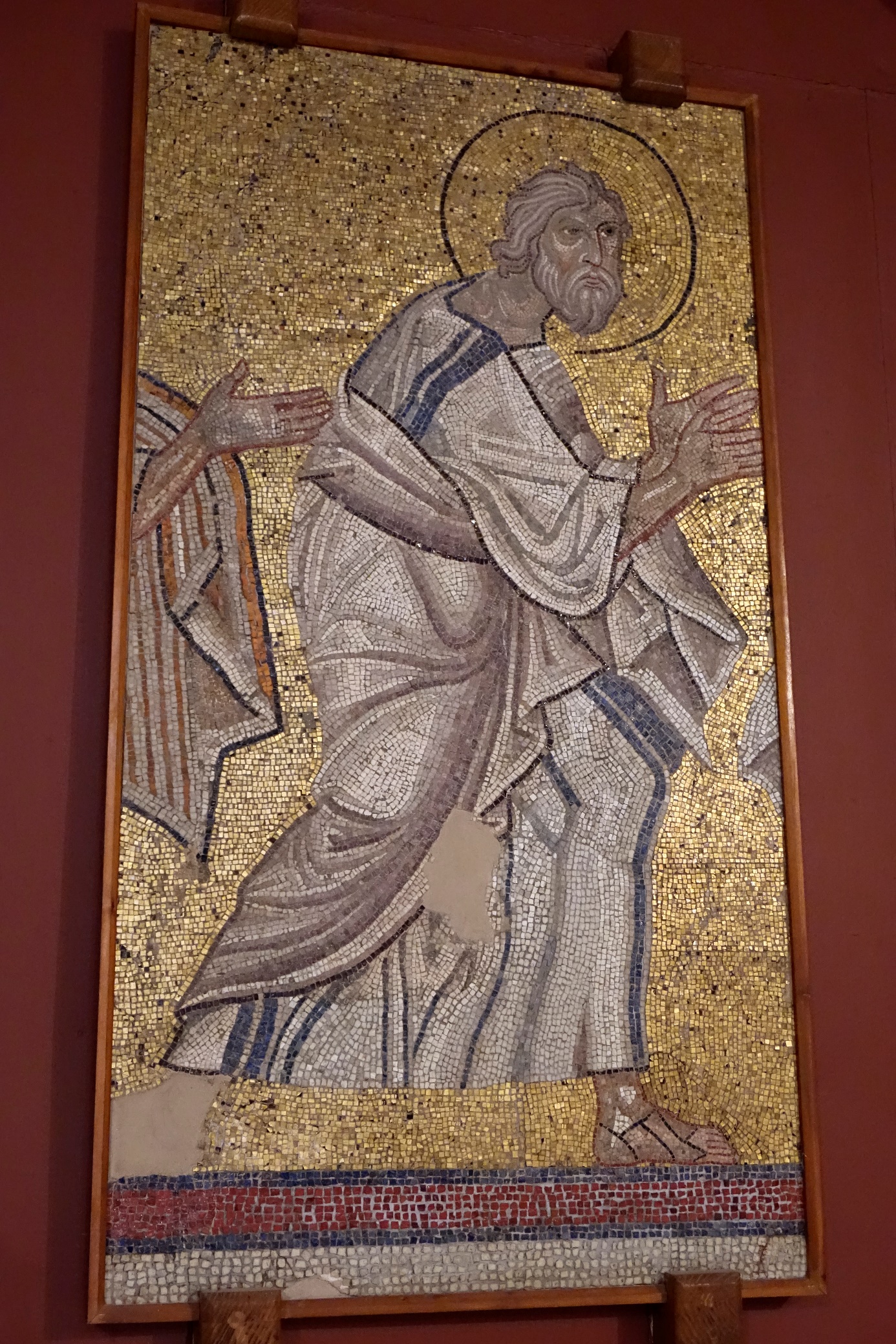
Particularly impressive are the Early Christian and Byzantine exhibits from the town of Serres, Most notably among them are the marble icon of Christ and the twelfth-century mosaic of St Andrew the Apostle. The icons come from the old cathedral of Serres.
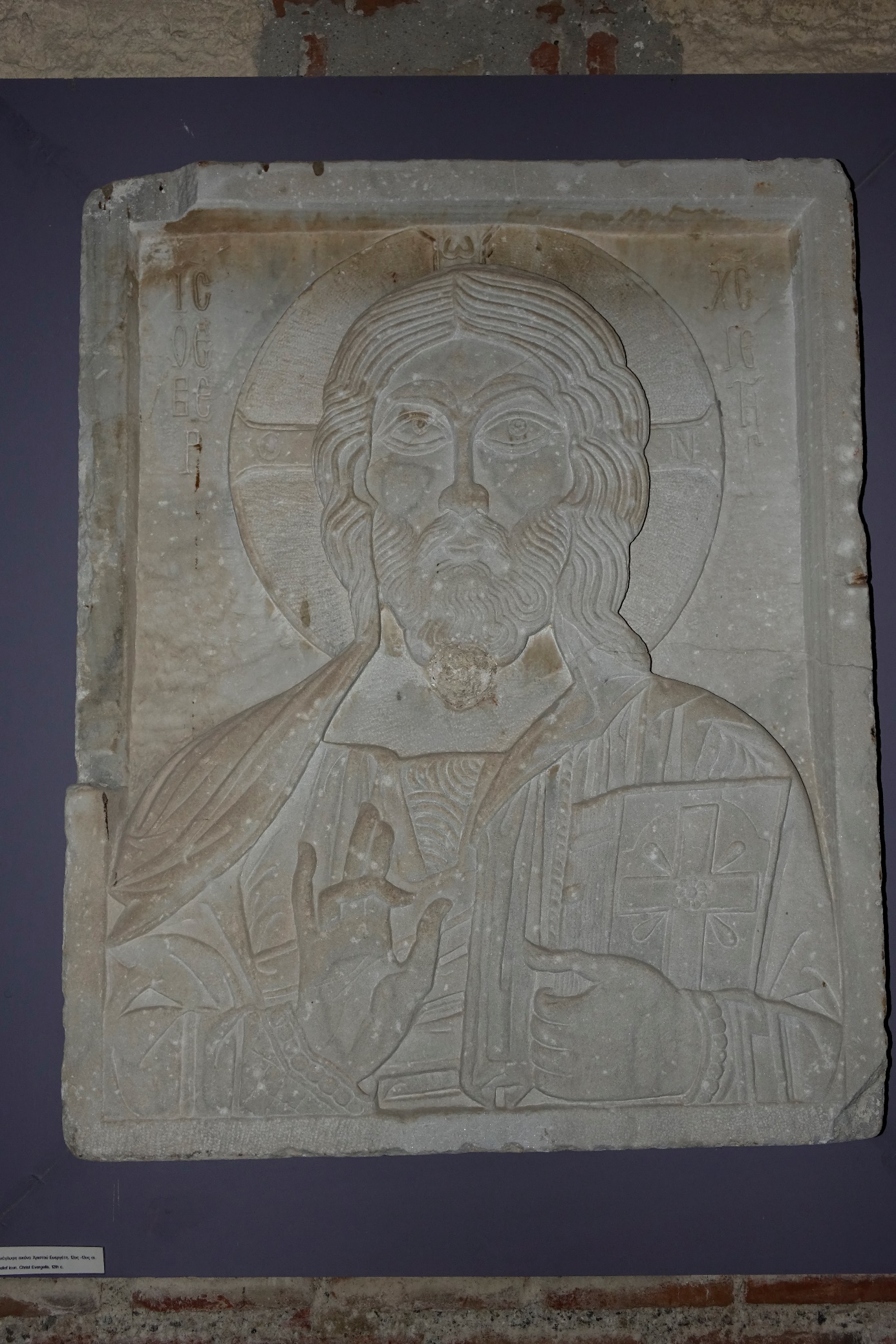
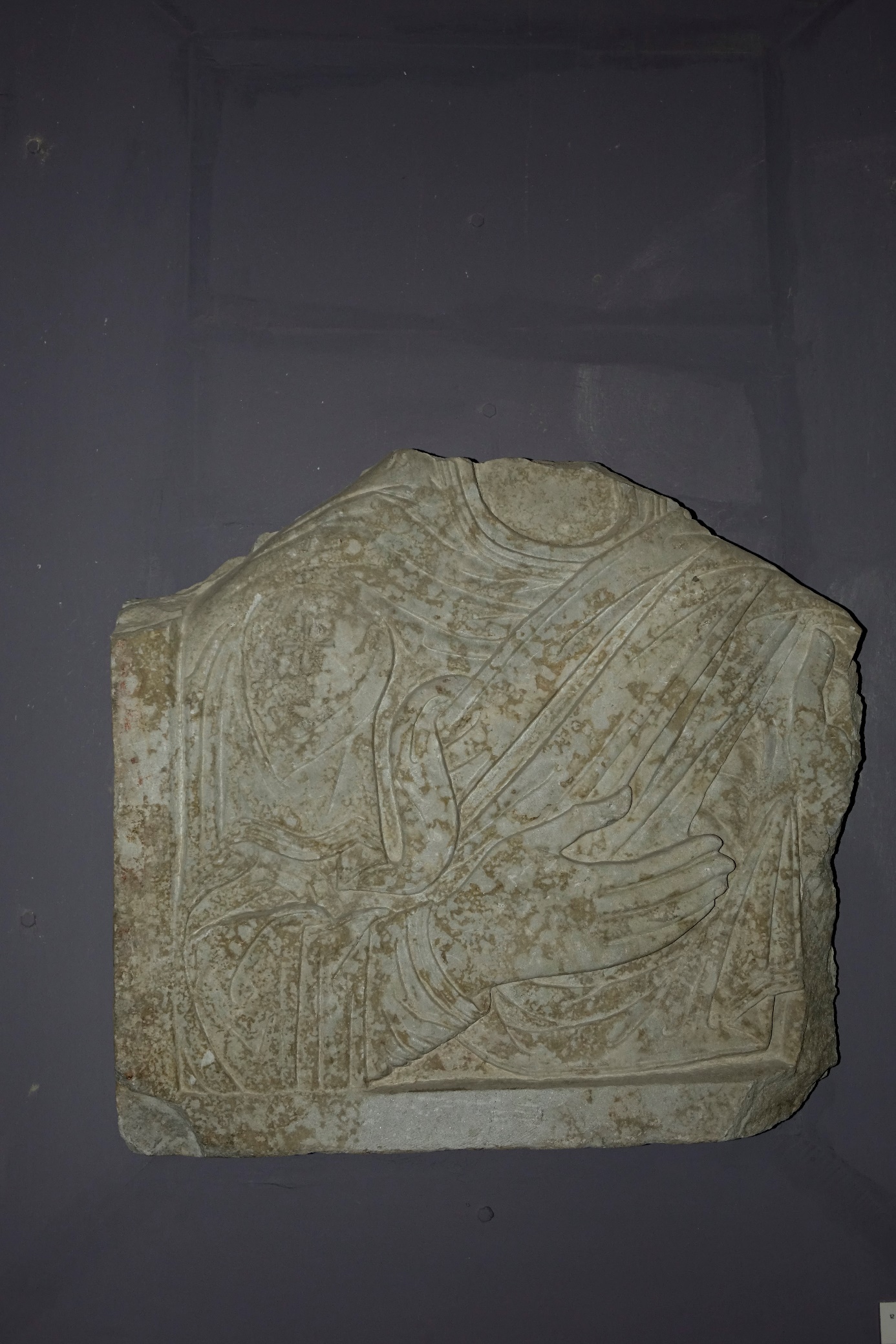
Other medieval icons from the region are kept in the church museum in Serres.
http://www.macedonian-heritage.gr/Museums/History_And_War/Ekklhsiastiko_Serrvn.html
We continue our journey north. We cross the Greek-Bulgarian border at Promachonas / Kulata and head for the late Roman city at the modern town of Sandanski.
The ancient city lies under the modern one. The earliest Thracian settlement here arose around the mineral springs in the 2nd millennium BC. The region falls into the tribal territory of the Thracian tribe Medi from which Spartak comes – the leader of the greatest slave rebellion in the Roman Empire in 73-71 BC. In the 2nd and 3rd century AD the settlement was given the status of a city. Its name is not known for sure. Many researchers now identify it as the ancient city of Parthicopolis. In the 3rd-4th century the Roman city at modern Sandanski occupied 20 hectares of land and was fortified with a fortress wall. It is properly planned according to the Roman urban tradition with straight streets crossing at right angles and following the two main streets parallel: Cardo Maximus and Decumanus Mayor. There were two Roman baths using the water of the hot mineral springs. The health deities Asclepius, Hygia and Telesphorus were the most revered in the city. The Thracian horseman, called with the local name Selenski god, was also highly – revered. In the city there was also a gymnasium where the youngsters were trained in philosophy, literature, oratory skills, and physical culture.
In the 6th century AD the Roman town at Sandanski is one of the earliest and most significant episcopal centers in the territory of Bulgaria.
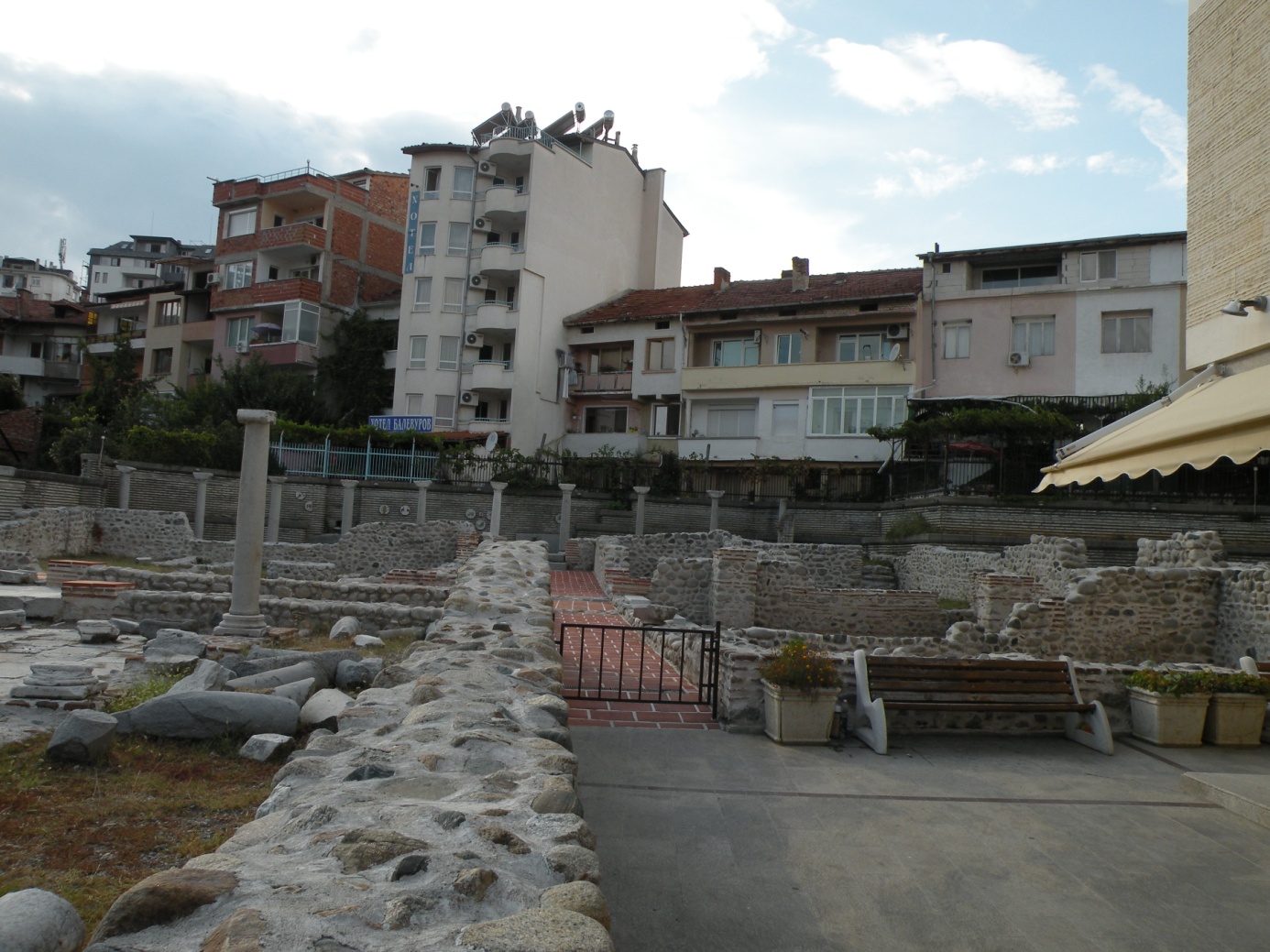
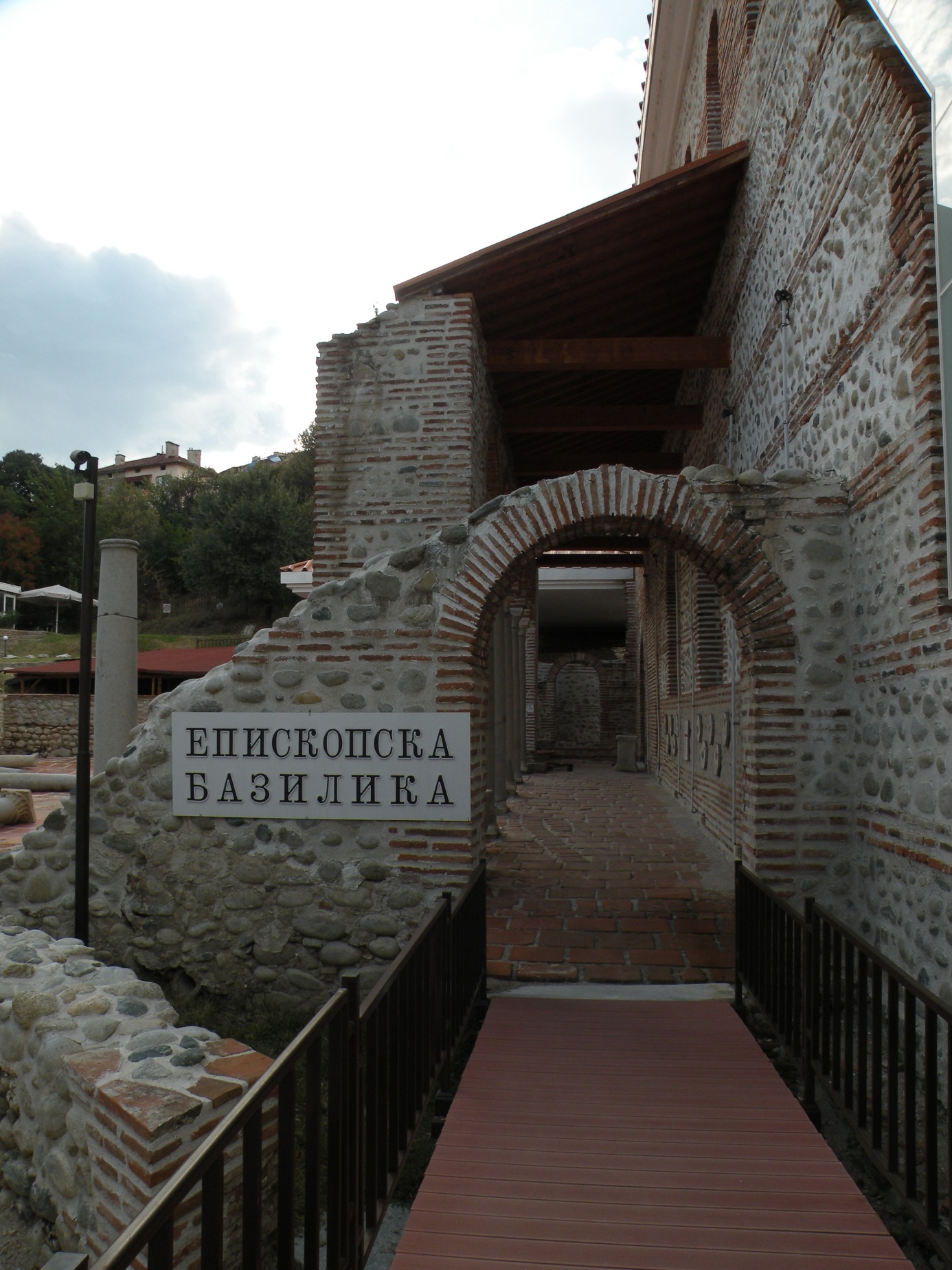
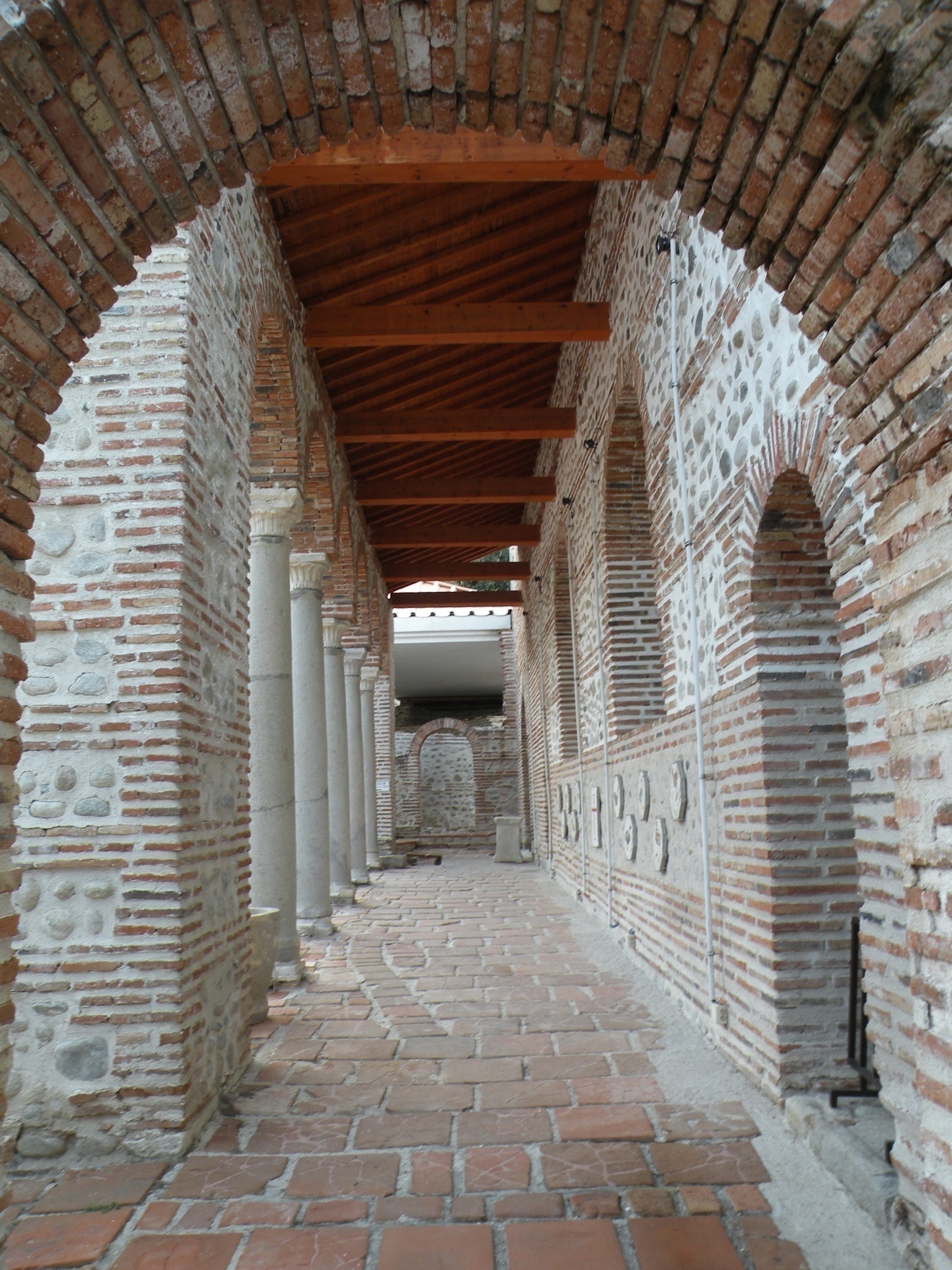
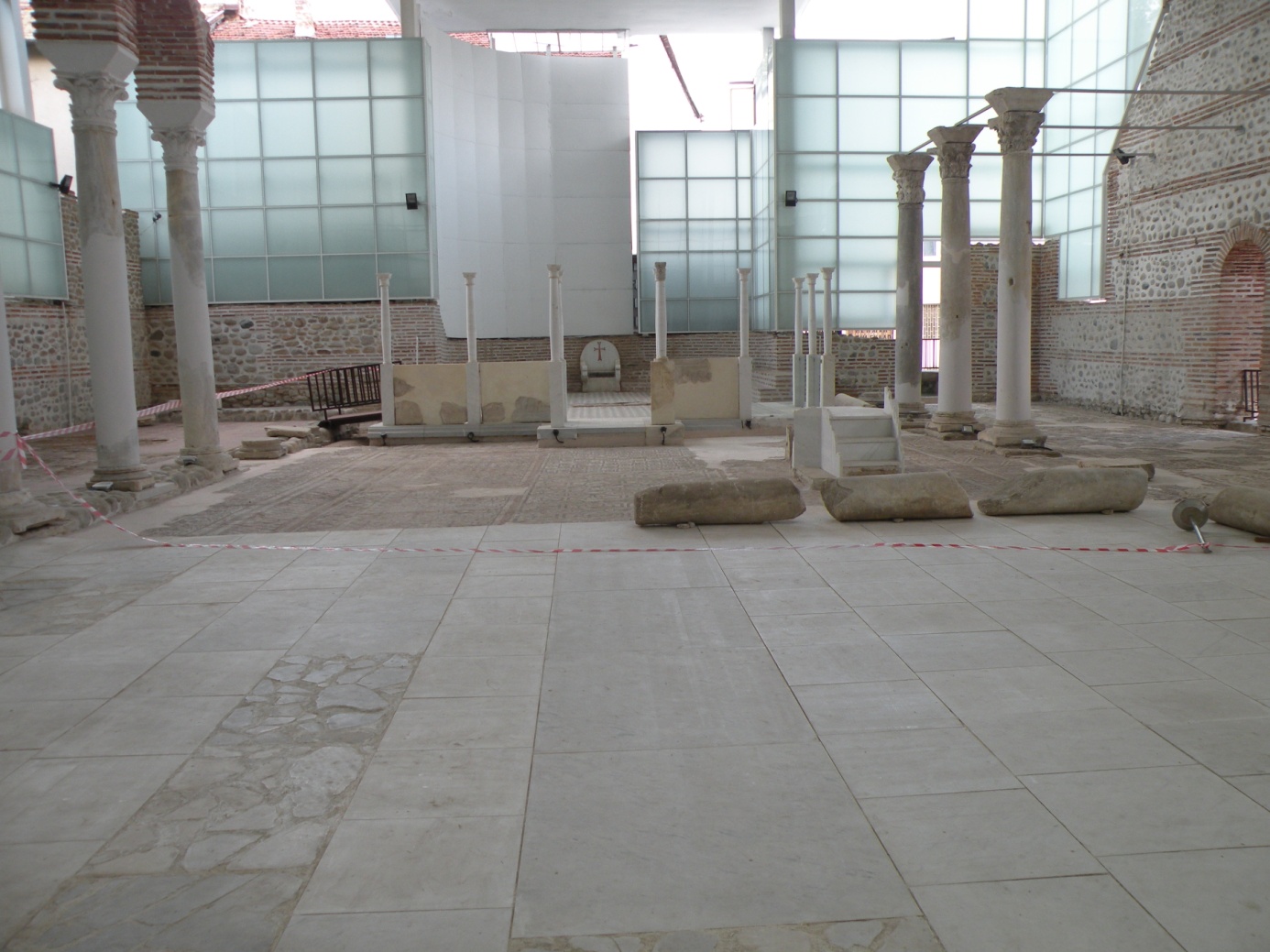
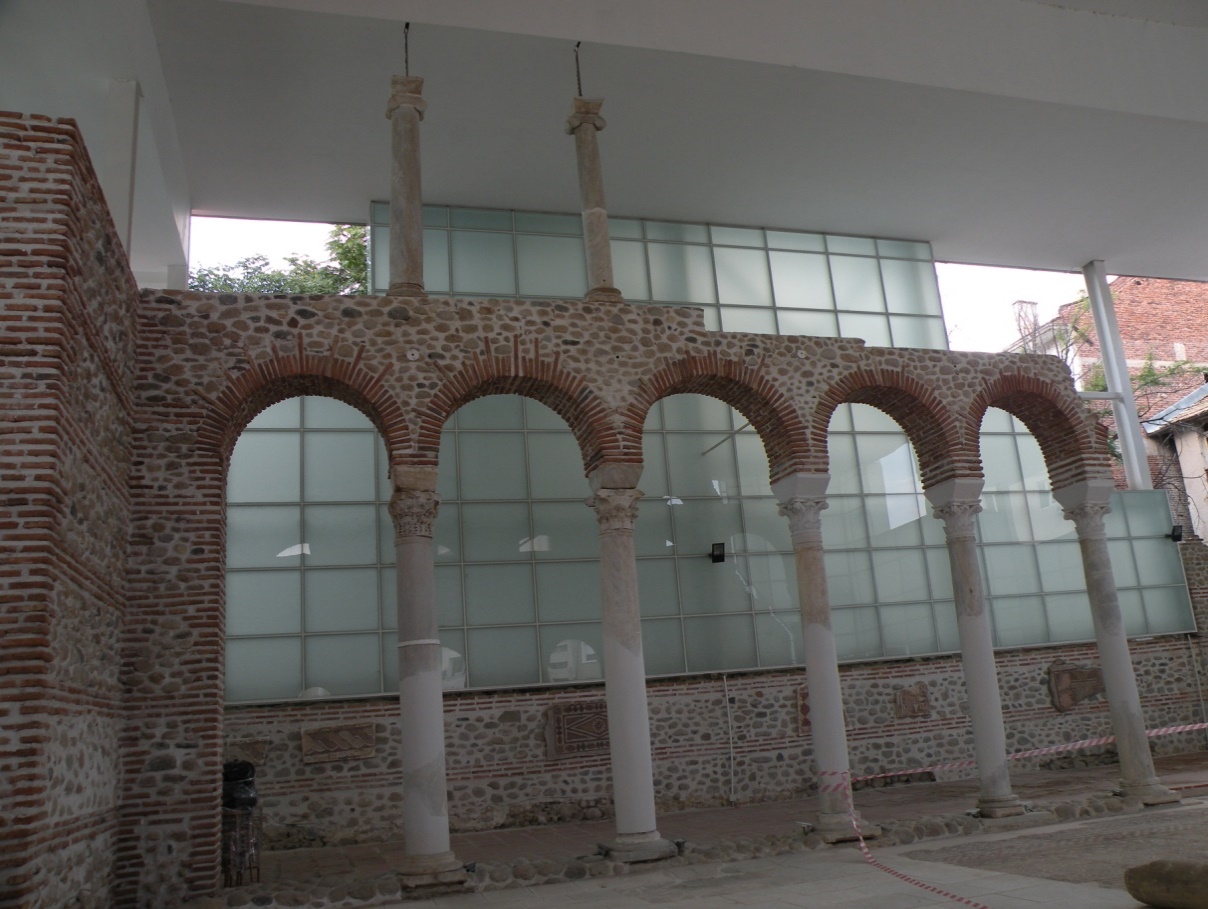
Archaeological studies have revealed 7 early Christian basilicas, numerous early Christian tombs, graves, as well as epigraphic monuments from which we learn the names of the first Christians here and their place in the church hierarchy. The Episcopal Basilica shines with the greatest power among the early Christian monuments.
With its grandiose architecture and exceptionally rich artistic decoration the Episcopal Complex is the most representative ensemble in the ancient city of Parthicopolis in the 5th – 6th centuries.
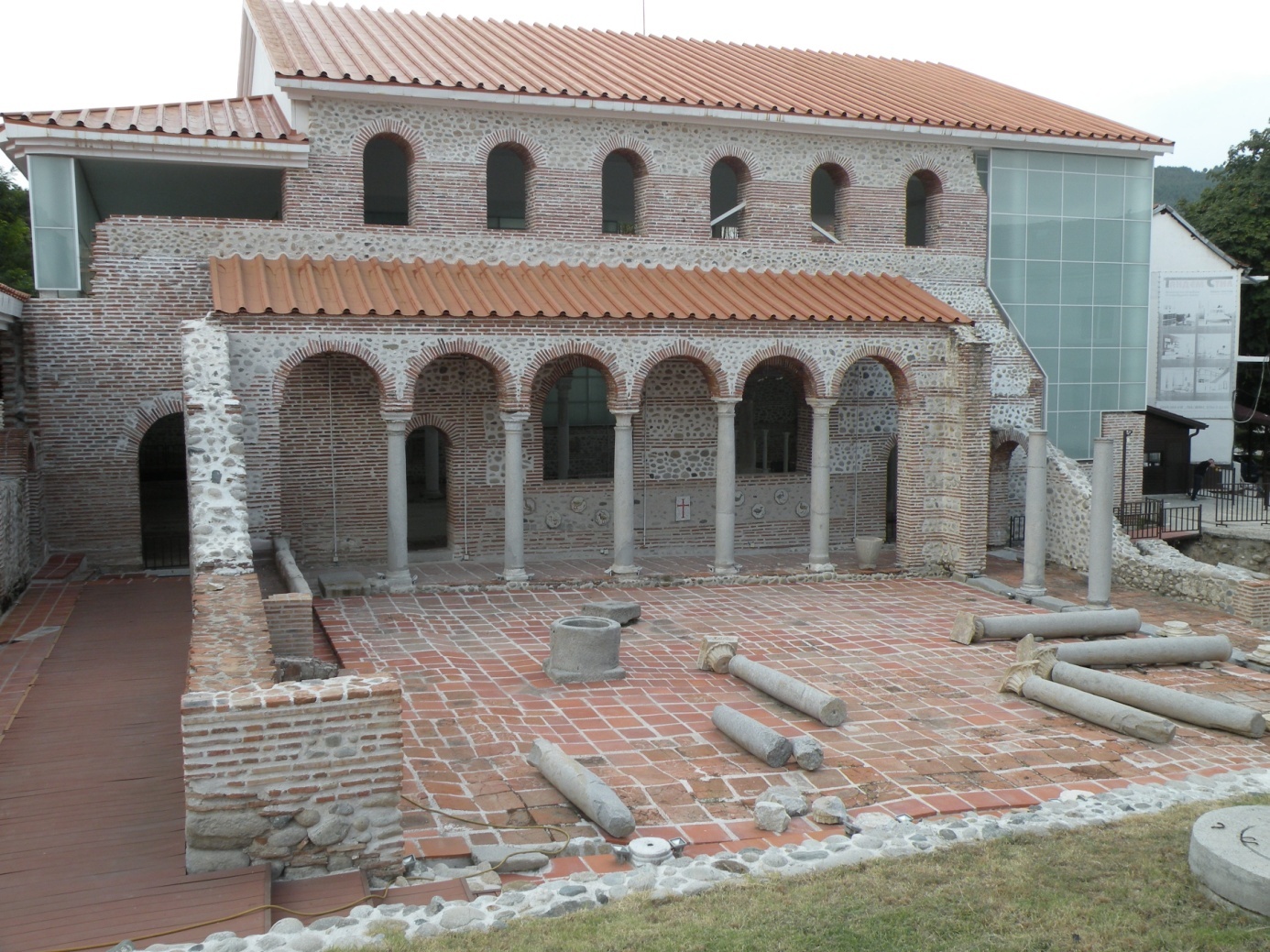
The Episcopal Basilica has an atrium (inner courtyard with a well) and a narthex. There is a well-preserved pulpit, an altar, and a synthronon with three rows of seats in the naos. The complex also includes a baptistery which is remarkable for its shape and size.
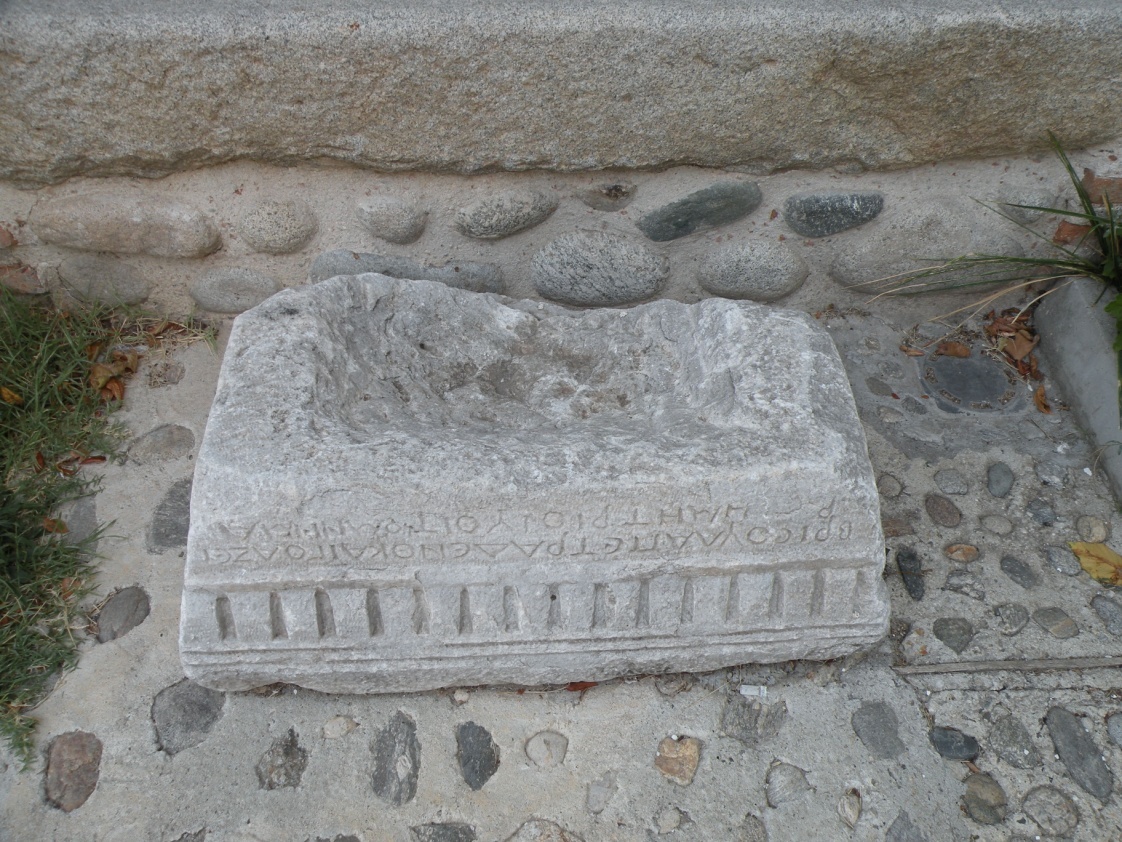
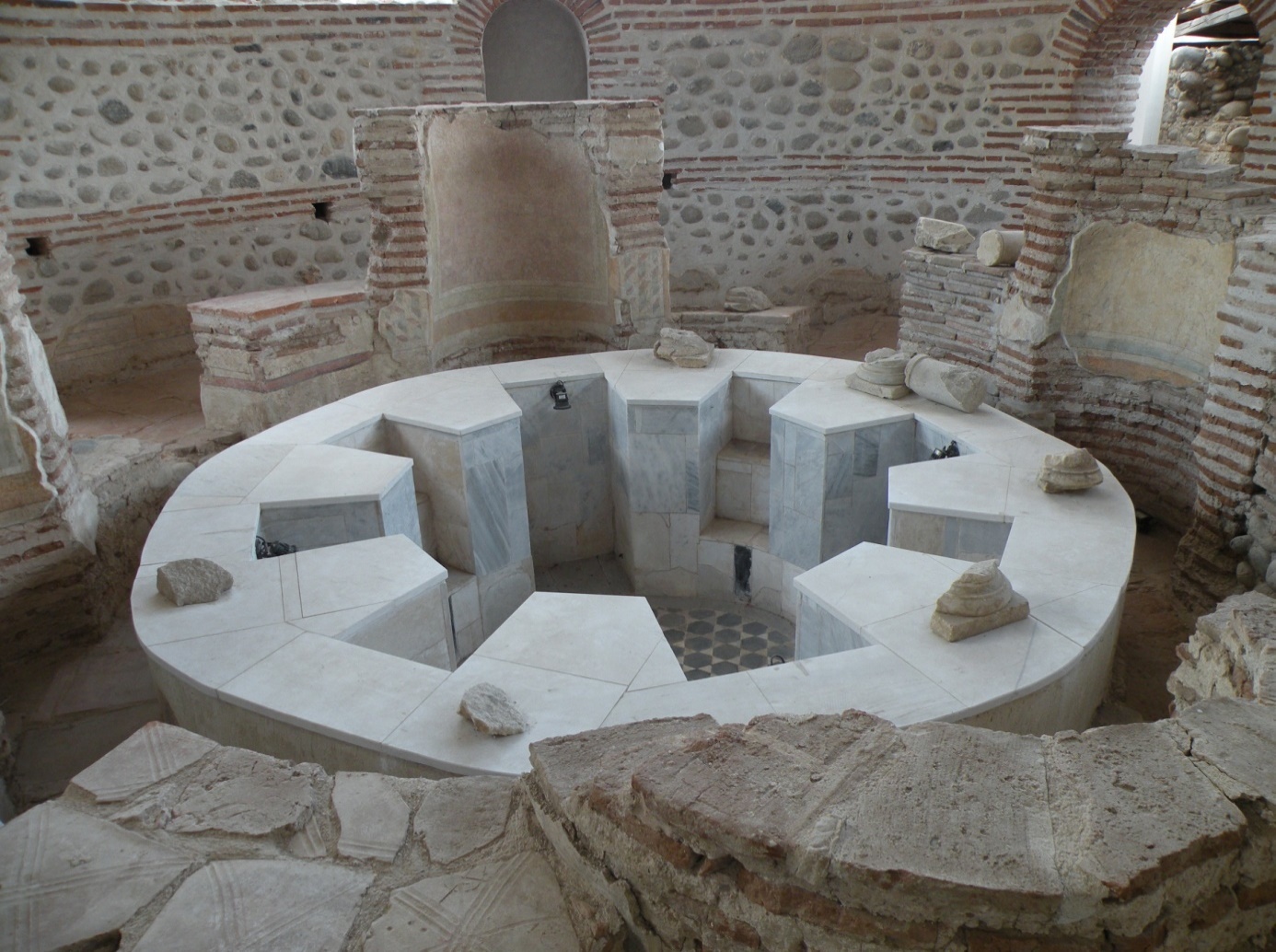
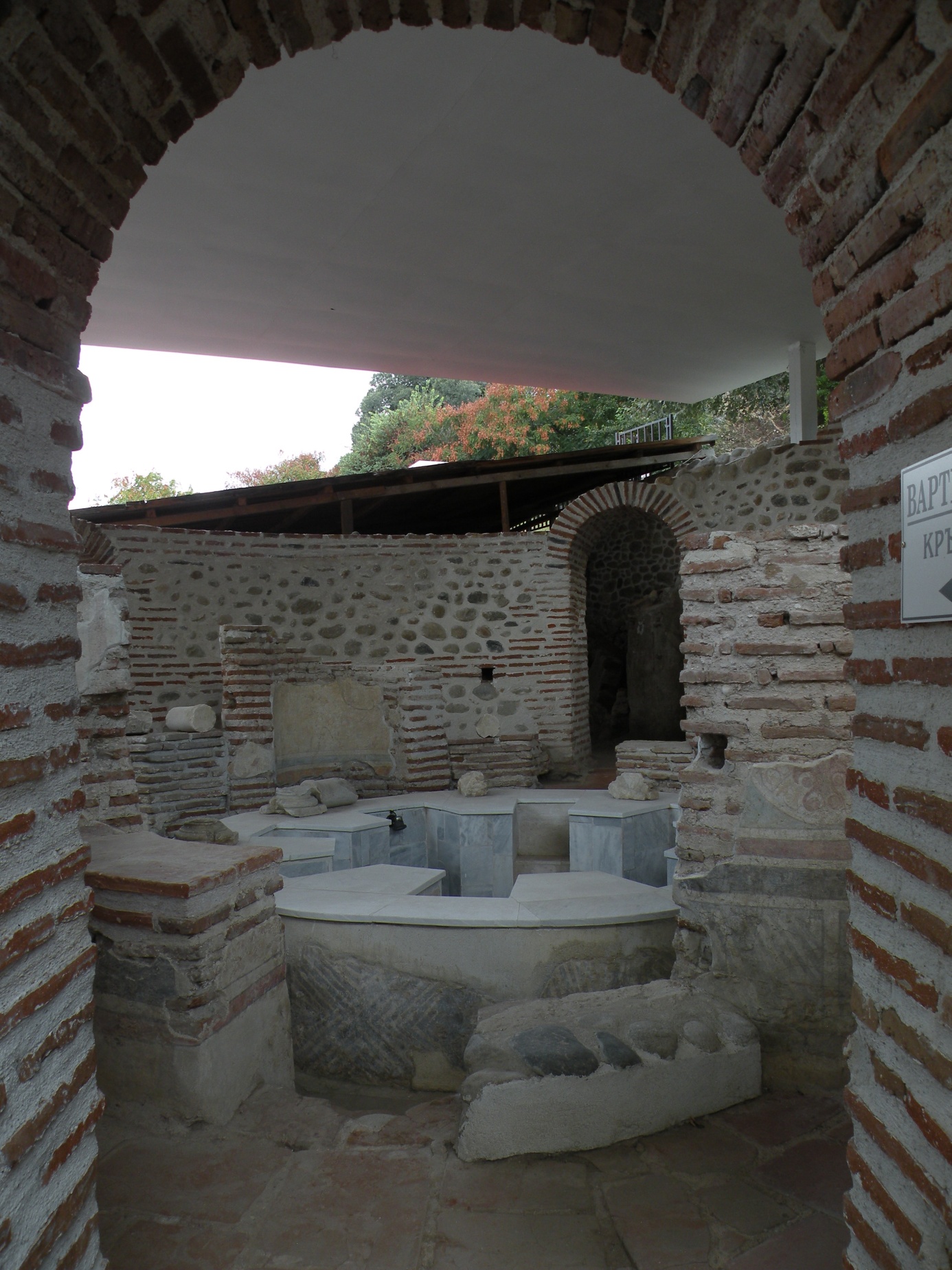
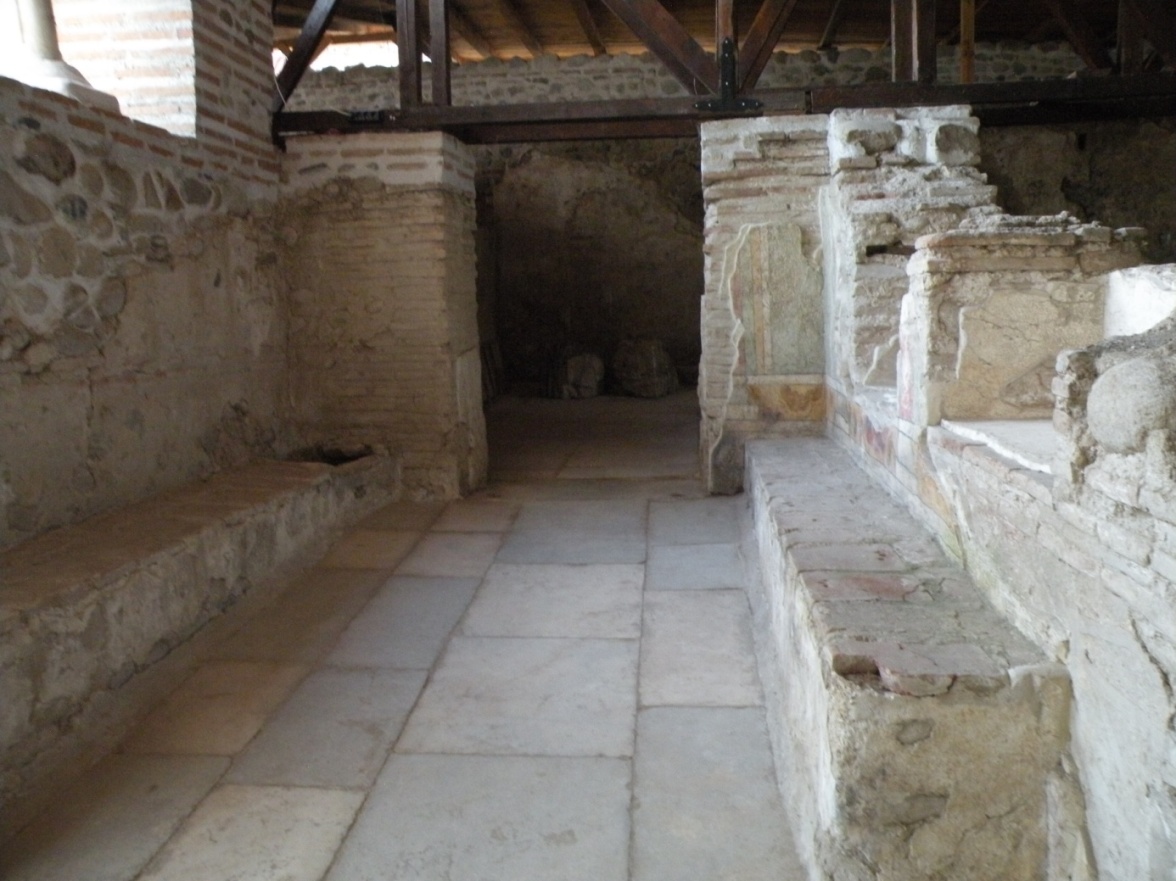
The martyrium is one of the most important discoveries in the Episcopal Complex. It is placed in the northwestern part of the complex and has a richly decorated altar table with niches for the preservation of relics and a spring with holy water.
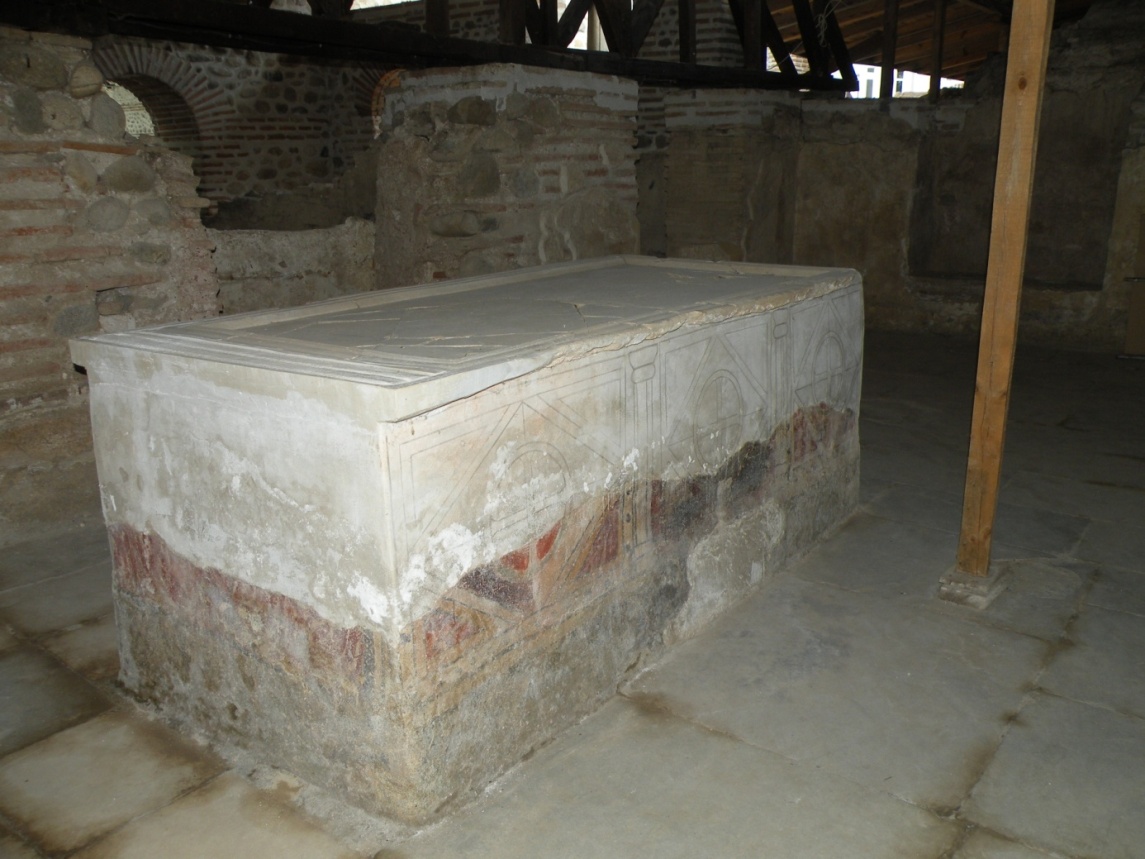
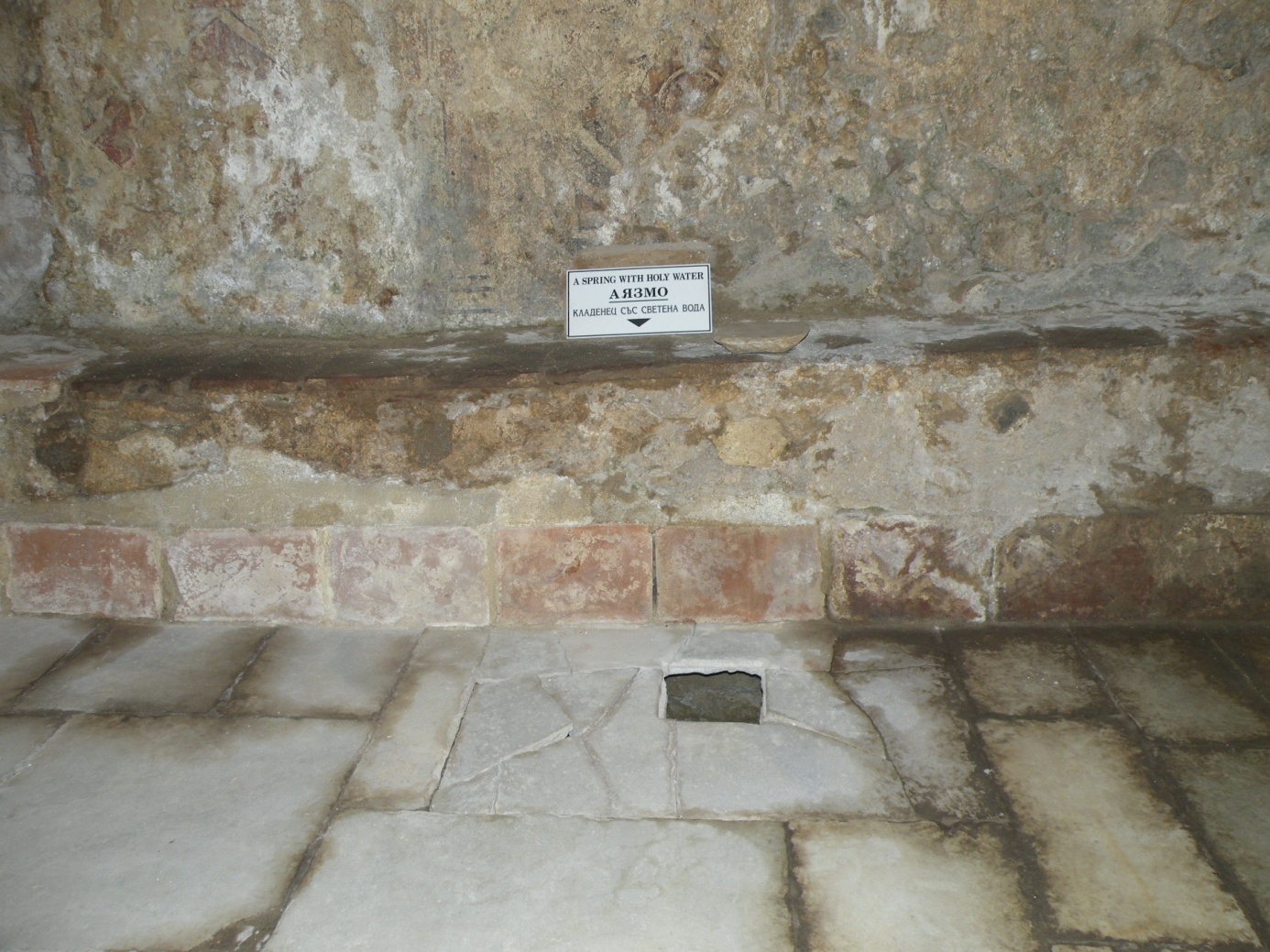
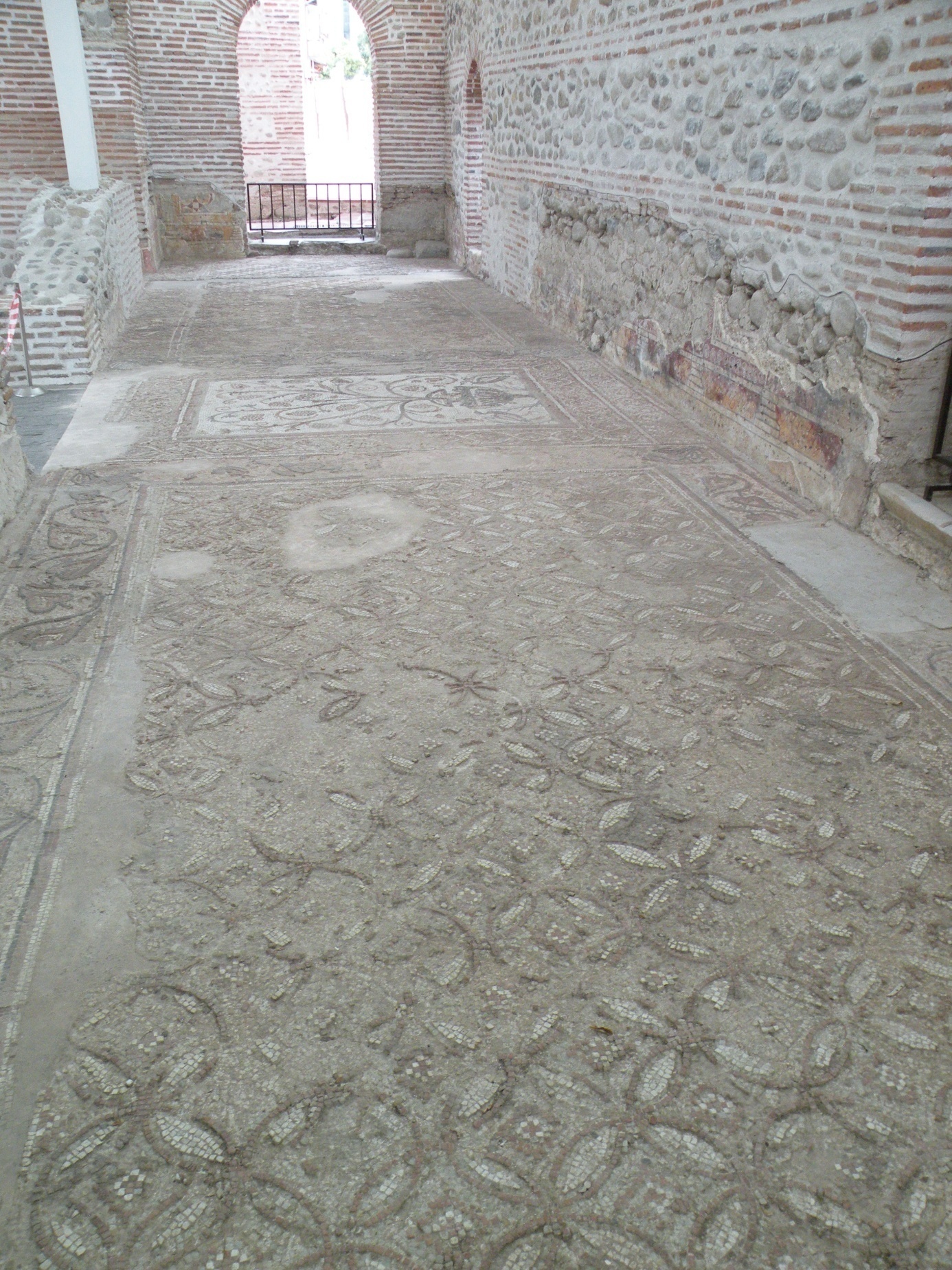
Magnificent mosaics in opus tessellatum and opus sectile style were found here. https://opoznai.bg/view/episkopska-bazilika-sandanski
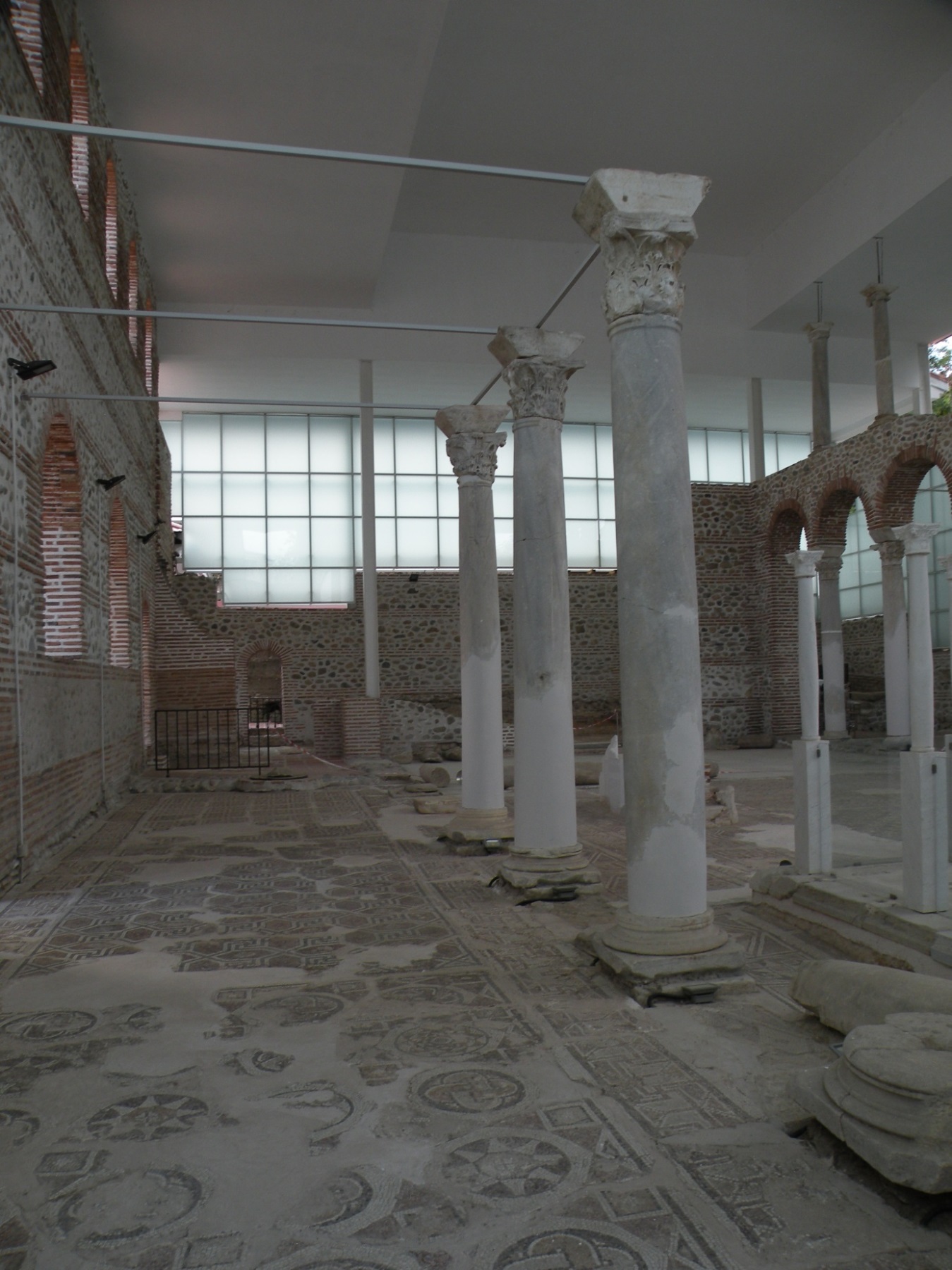
The ancient city under the modern town of Sandanski was one of the most important cities of the Middle Struma in the Roman era. It controlled the road from Amphipolis in the Struma River valley to Pautalia (present-day Kyustendil), Serdica (present-day Sofia) and to the Danube to the north. The city was destroyed during the barbarian invasions in the 6th century AD.
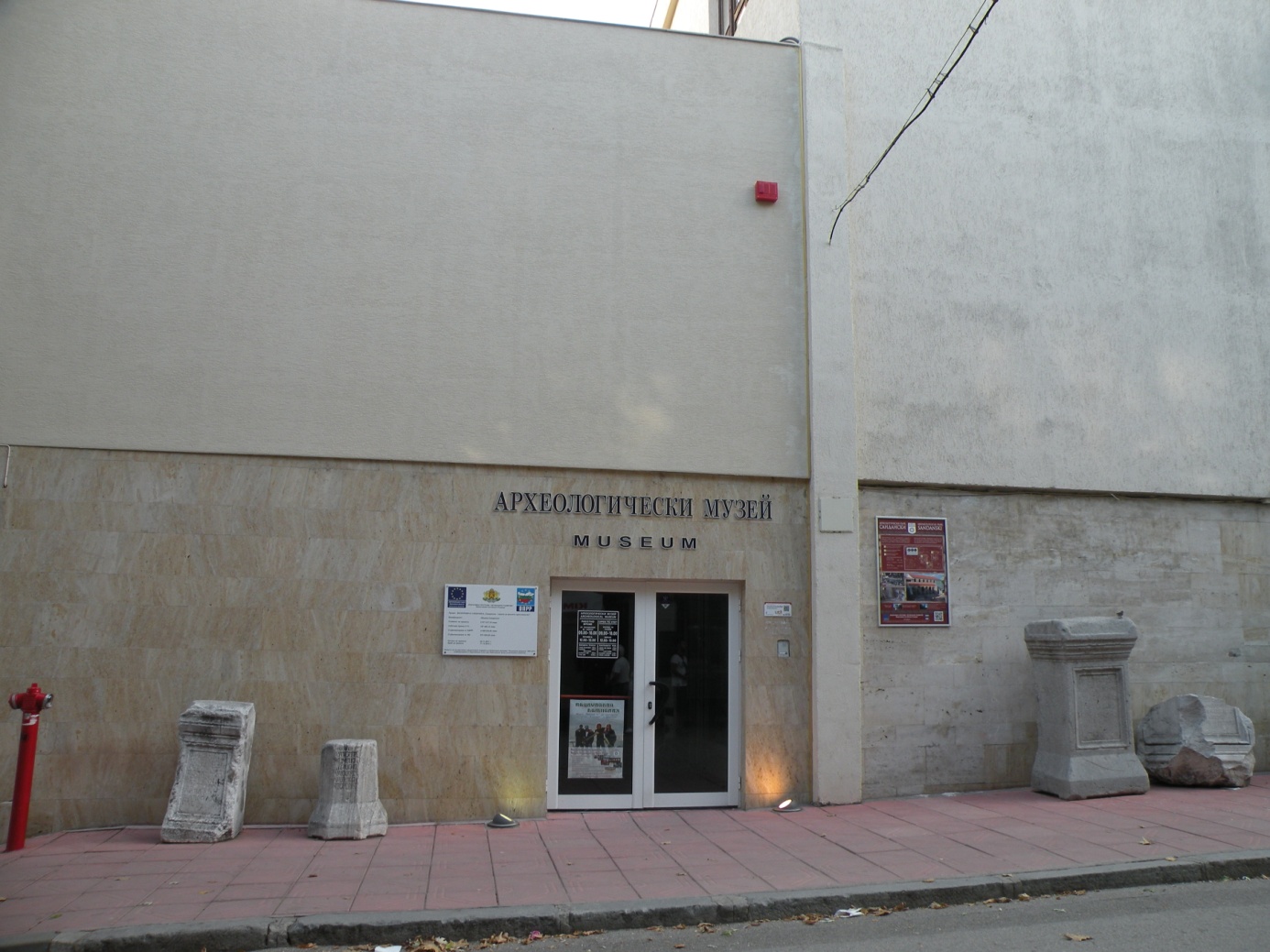
Archeological museum of Sandanski
The Archaeological Museum of Sandanski was founded in 1936. Today, the museum has a 400 m² exhibition area, spread over two floors in three exhibition halls.
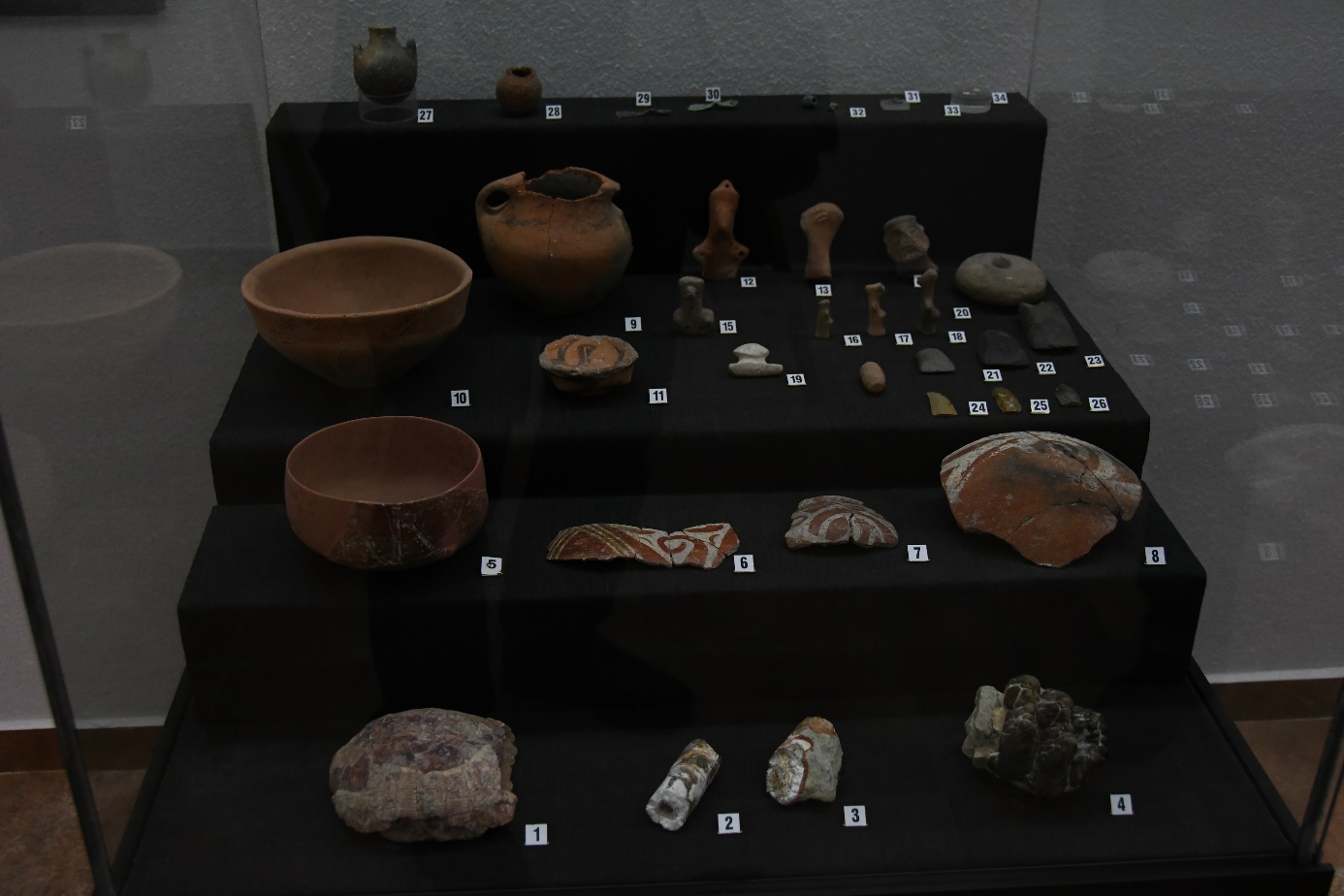
Exhibits of prehistory and antiquity are presented in the two halls on the second floor.
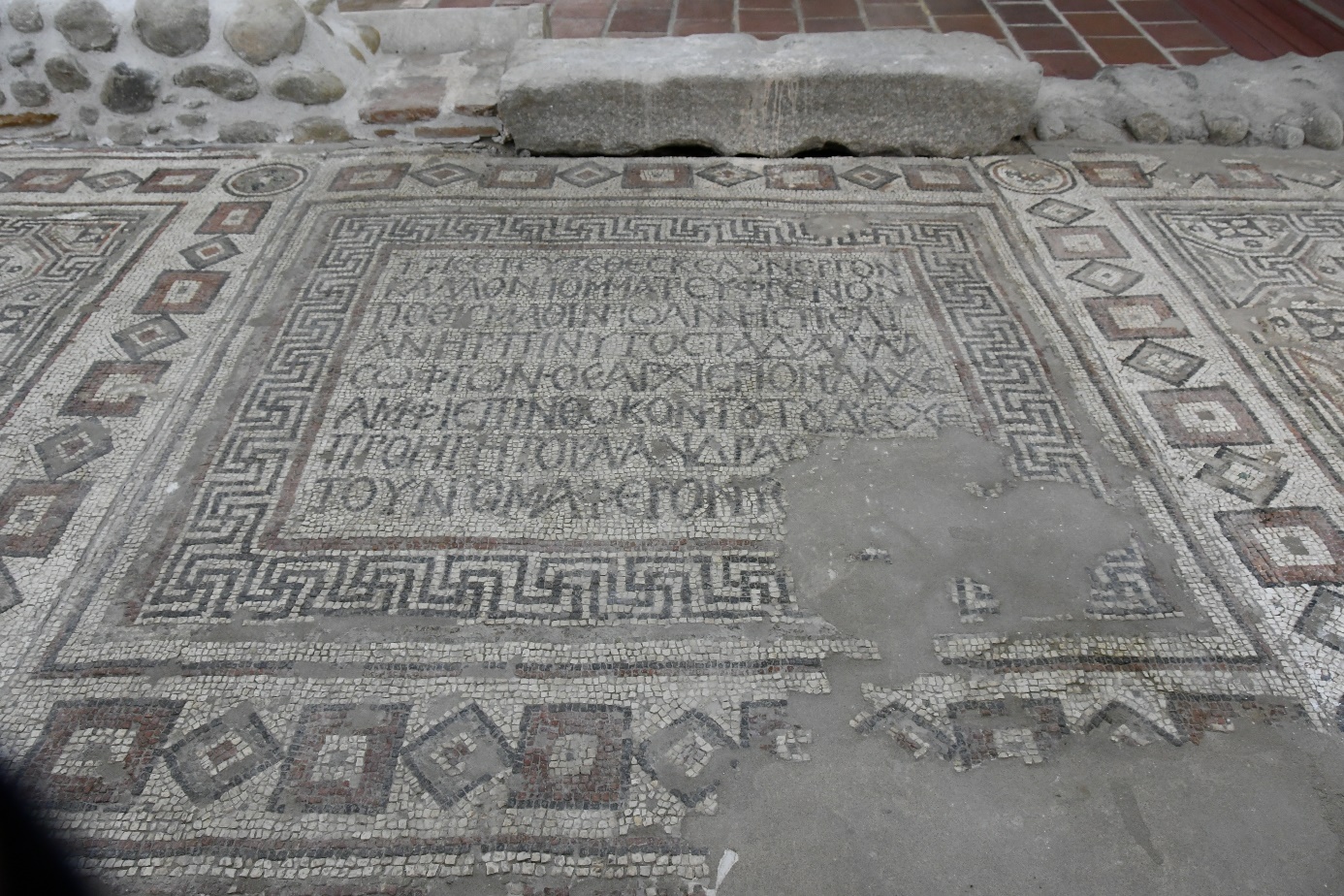
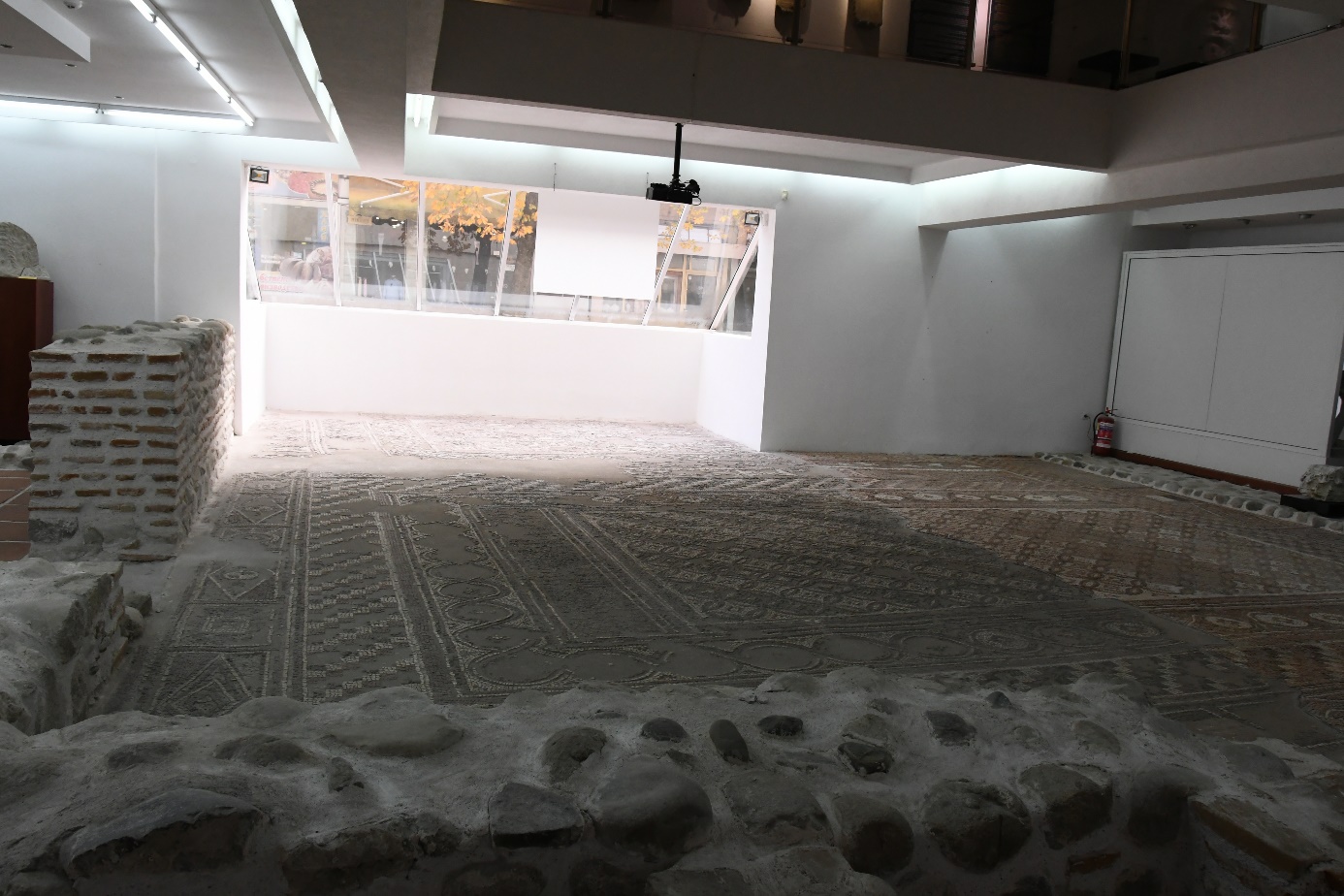
The first floor is situated above the foundations of the Early Christian Basilica from the 5th century, known as the Basilica of Bishop Yoan.
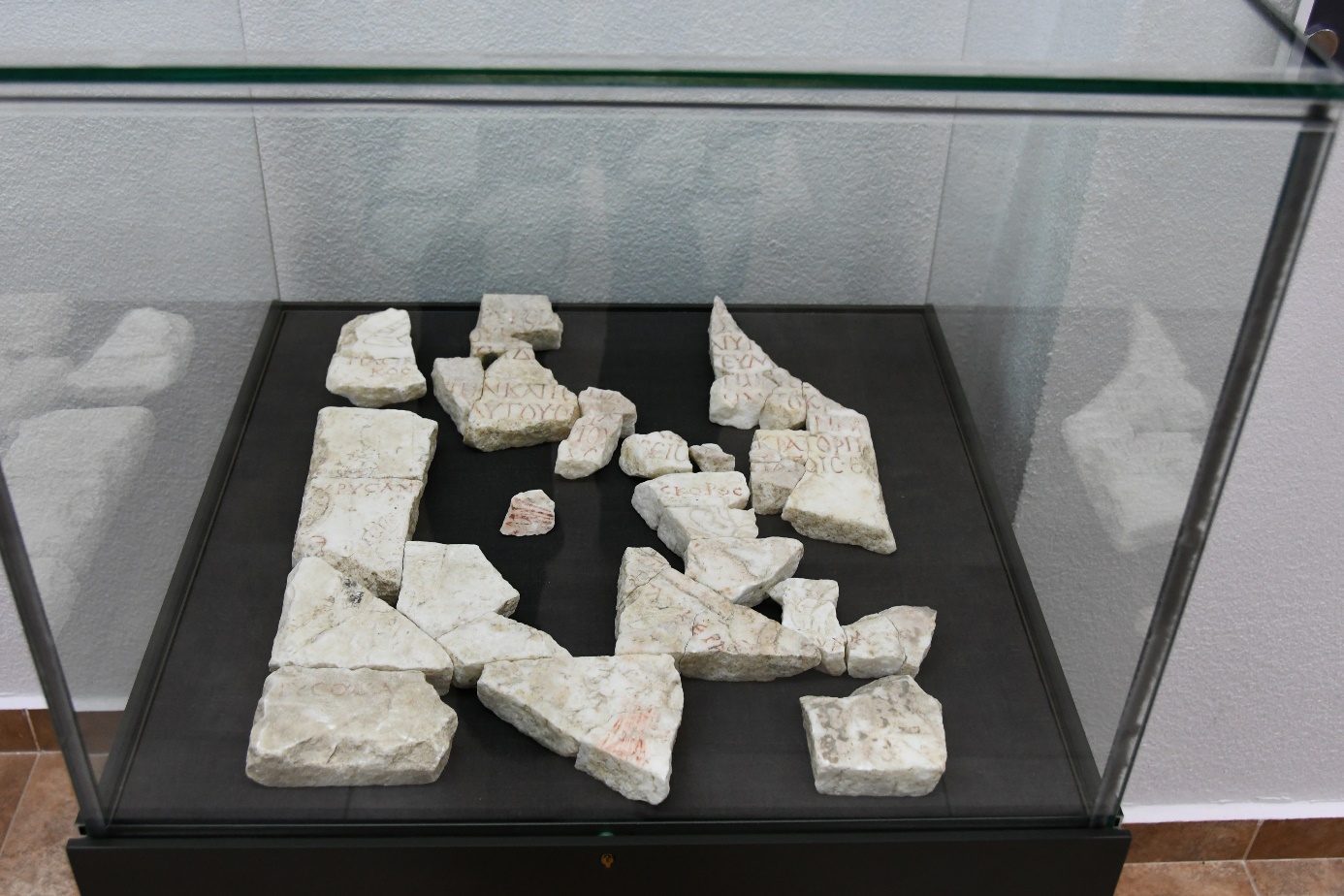
In the museum there is a unique collection of Roman gravestone marble plastic art (1st – 3rd century) typical for the Middle Struma river valley. It has been gathered for 80 years from all the villages of Sandanski municipality.
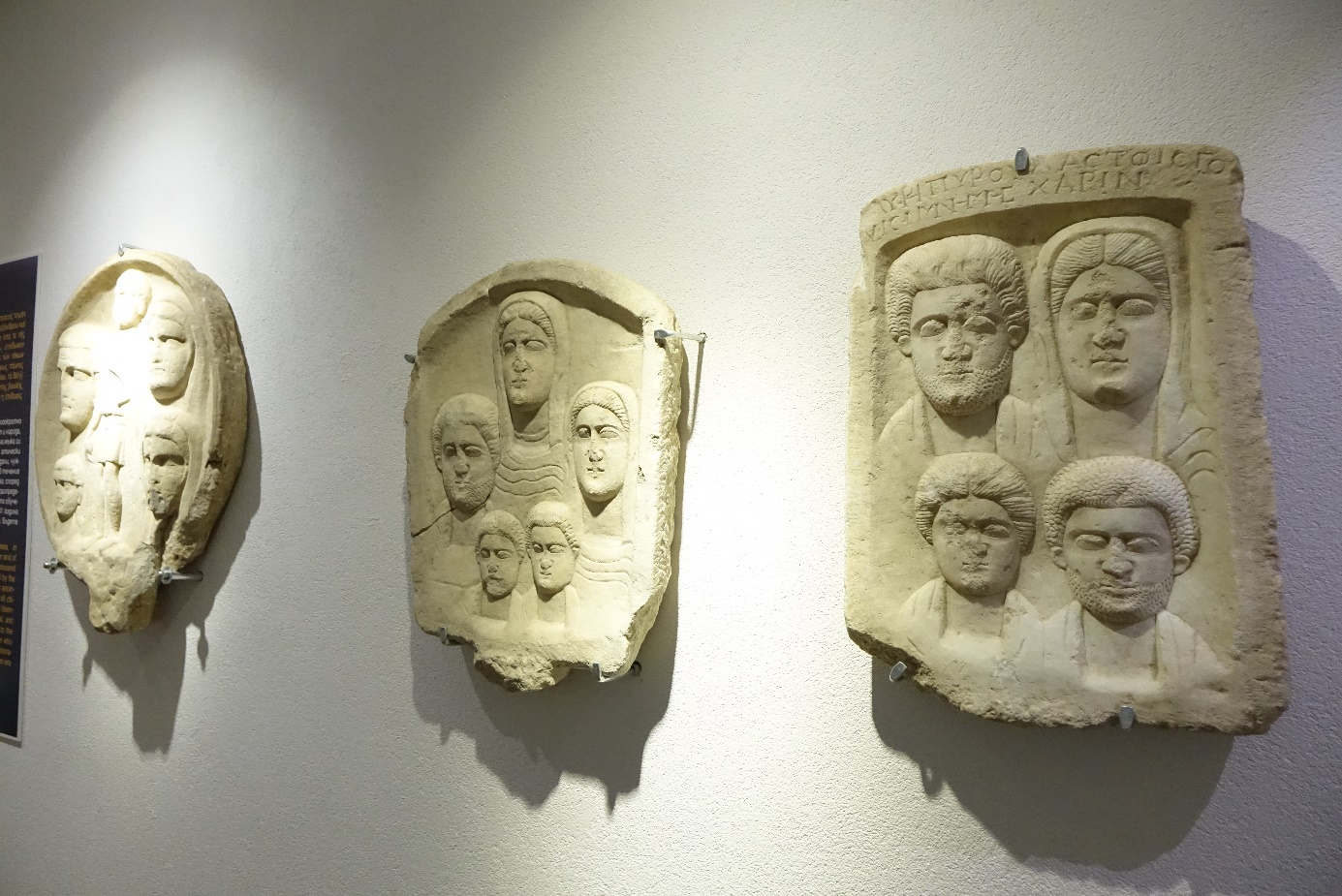
Real masterpieces of antique art are the steles of Julius Maximus, of Asclepius, the gift stele of Flaviana Philocratia and others.
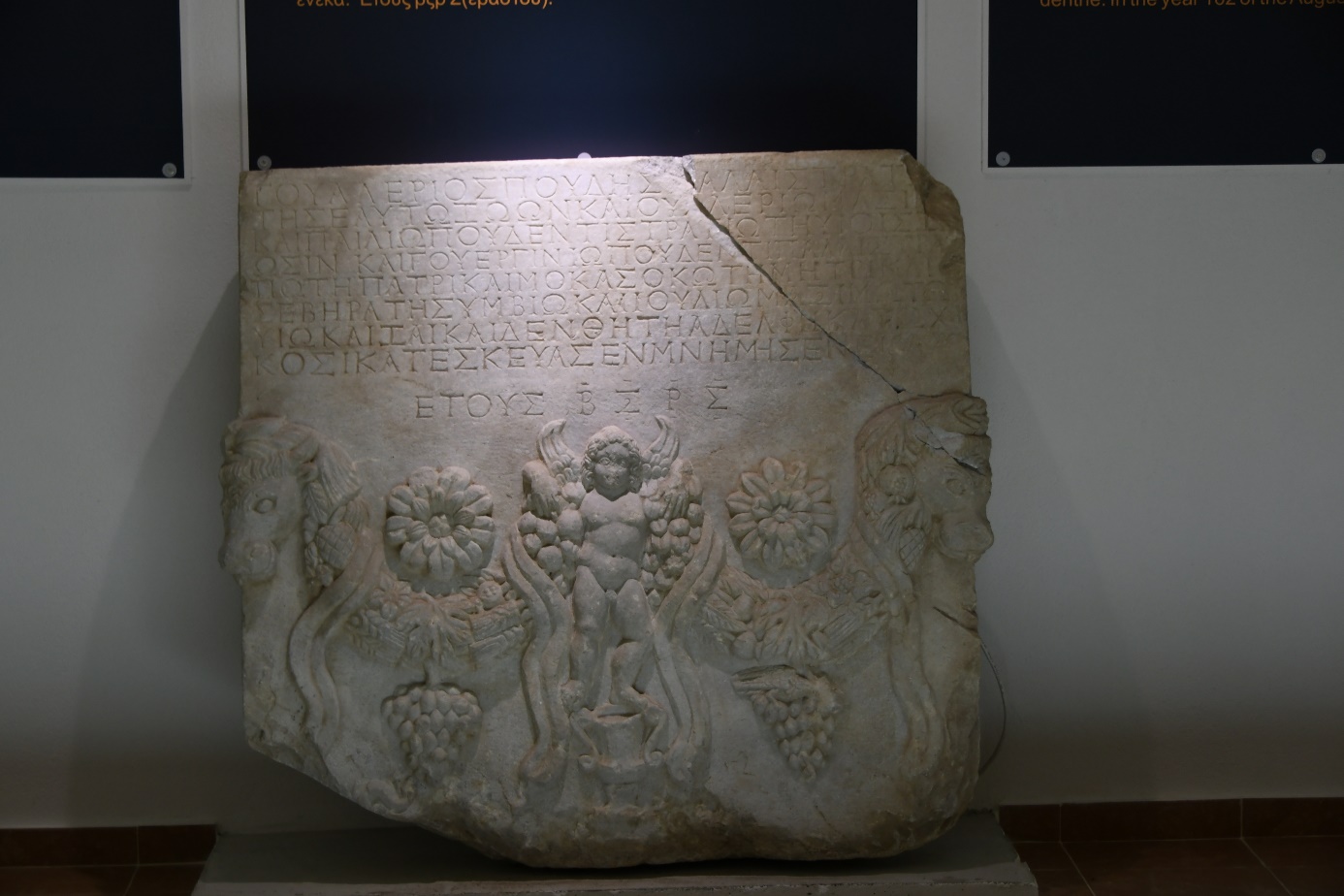
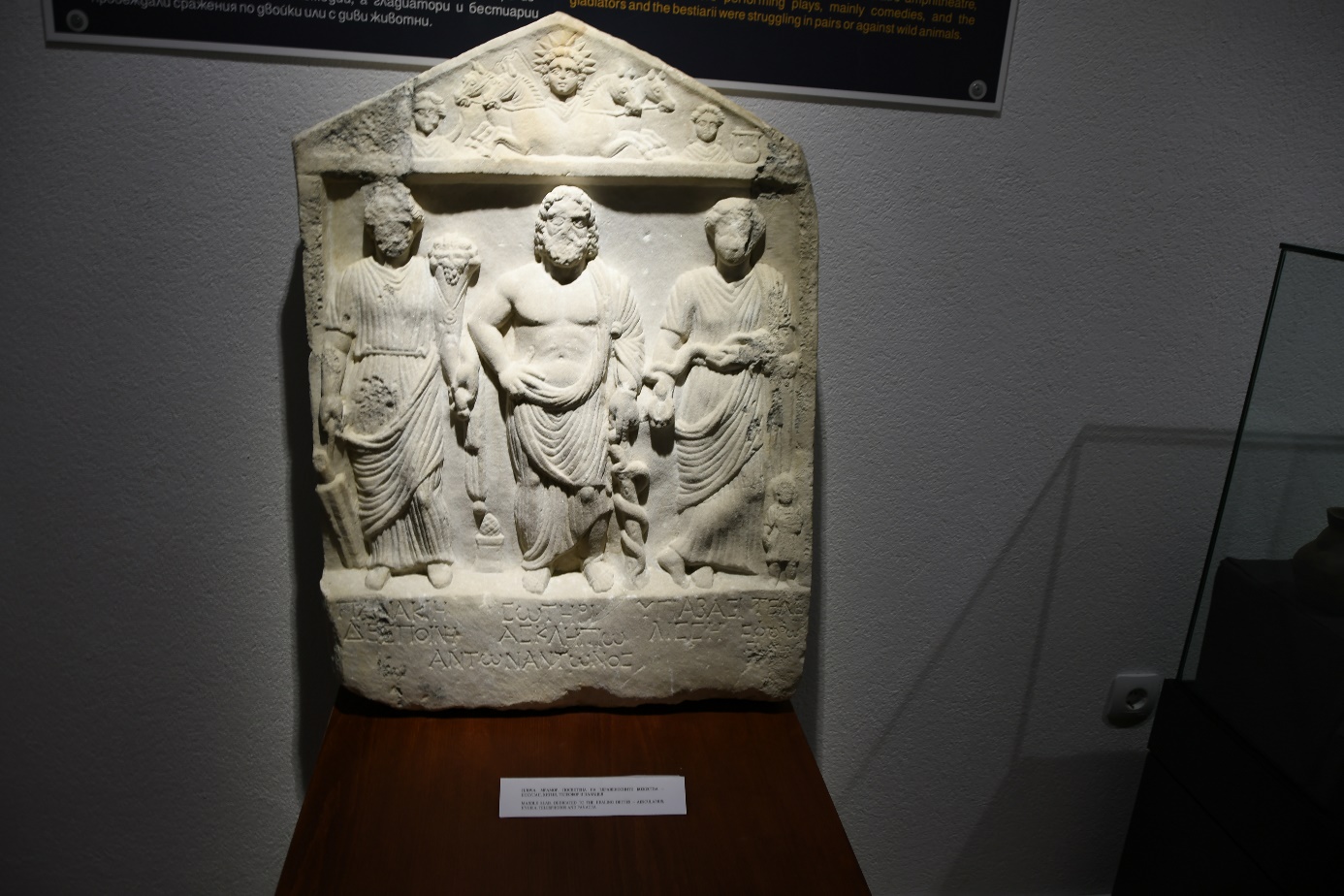
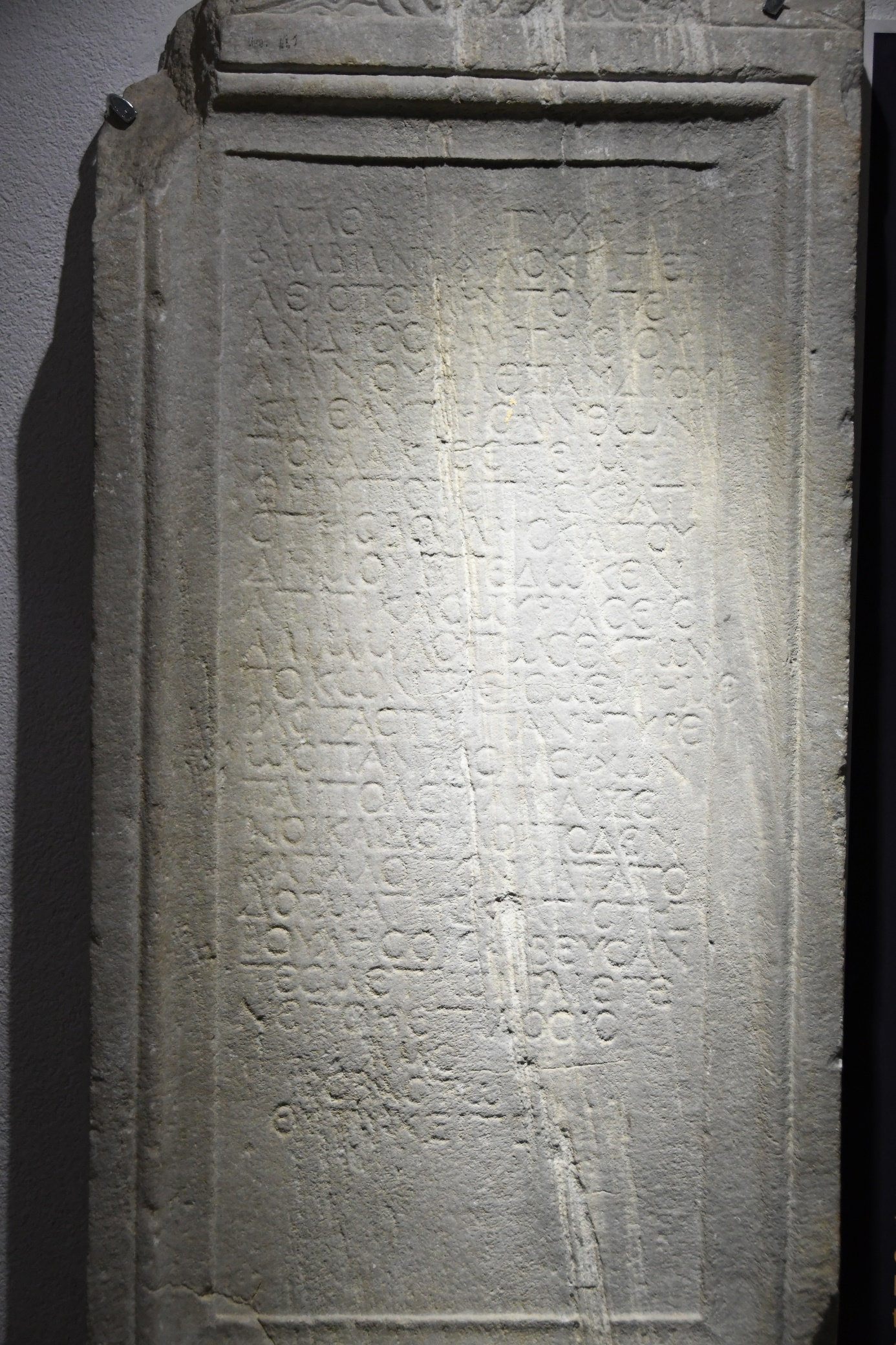
The collection has also various votive steles dedicated to Artemis, Heracles, Zeus and Hera, the local deity Teos Selenos and others, as well as statue replica of a famous copy of Aphrodite.
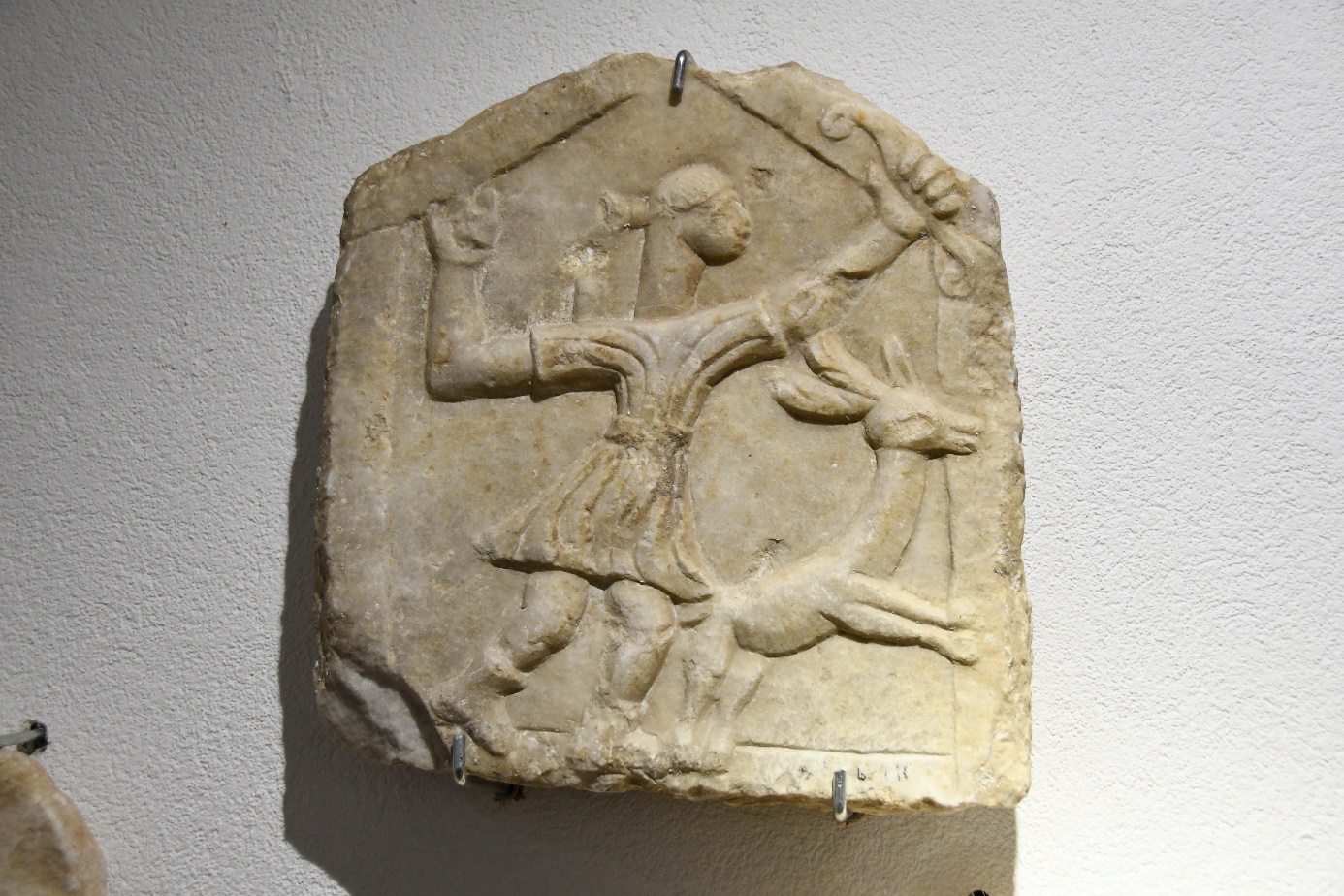
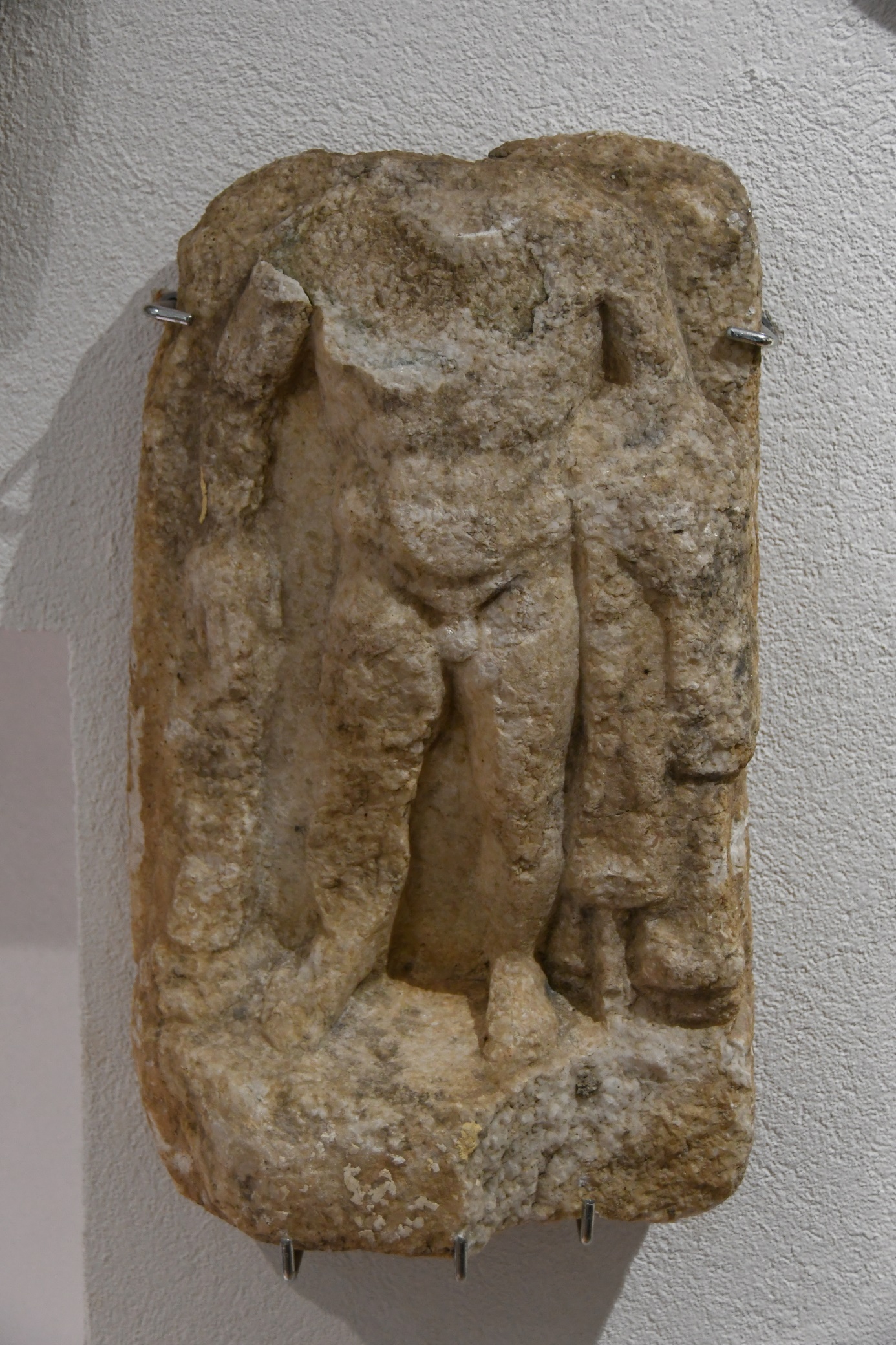
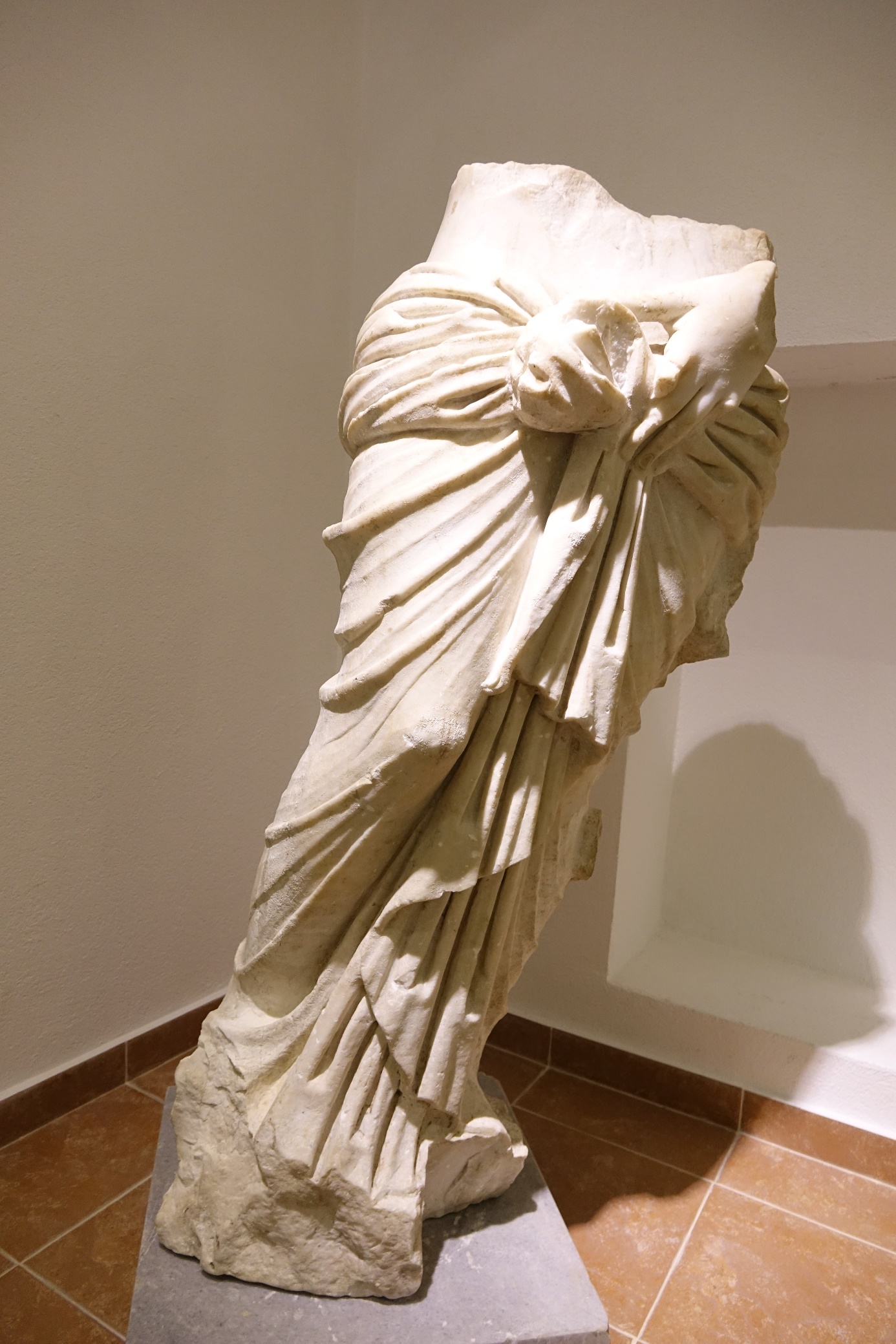
Mosaics of the early Christian period (4th -6th century) from the Bishop’s Basilica are exhibited on the spot in the museum.
We continue our journey north against the Struma River. A fortified late antique building was studied archeologically by the Regional Historical Museum of Blagoevgrad 16 km west of Blagoevgrad near the village of Drenkovo.
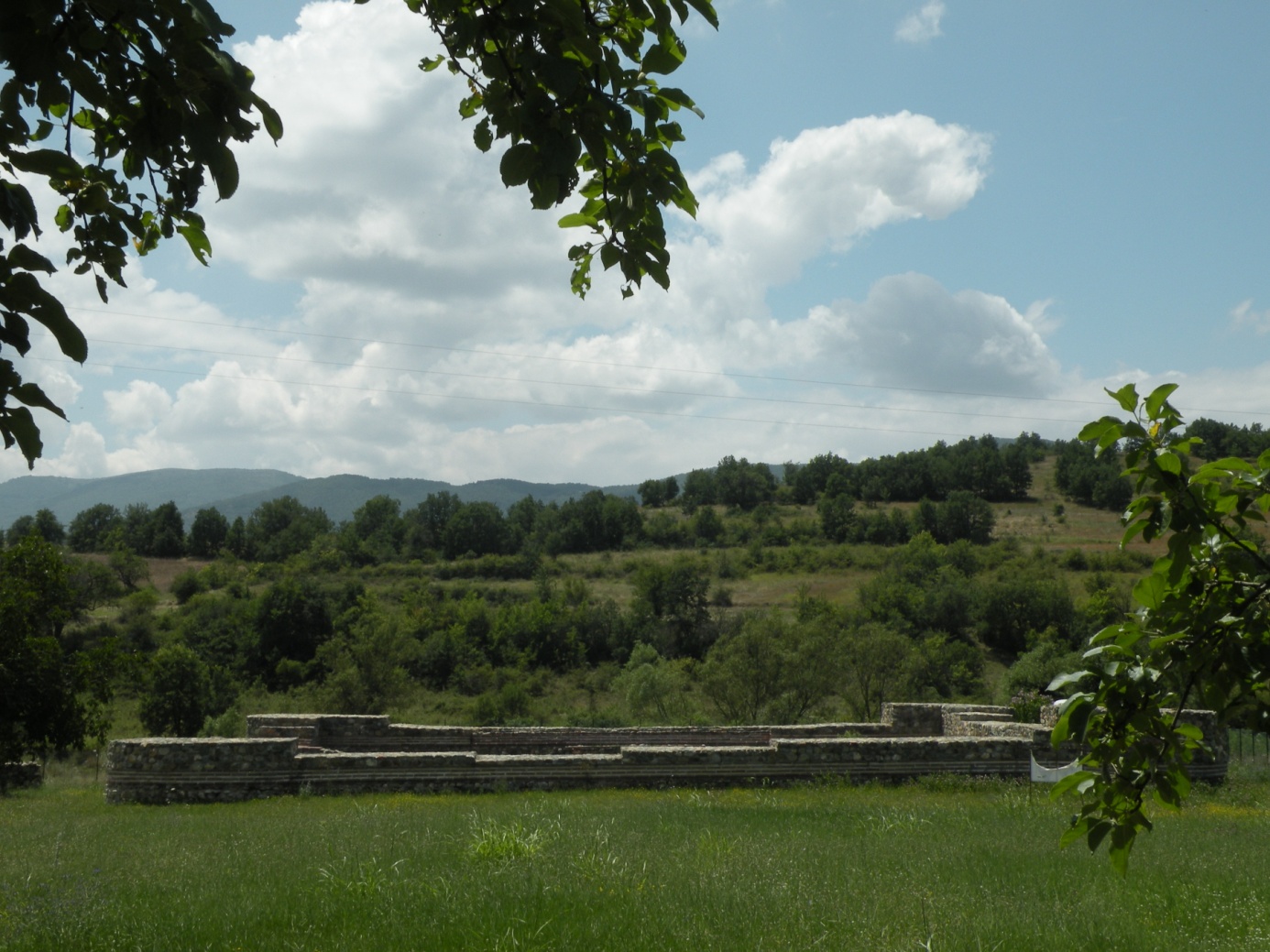
The region has been populated since the prehistoric age. A Neolithic settlement dating back to 7th -6th millennium BC is registered on the territory of the village. A road linking the valleys of the rivers Struma and Vardar was passing along the Drenkovska River during the Late Antiquity. This road guarded the monumental square fortified building located south of the village of Drenkovo. It is equipped with semi-round towers in its four corners.
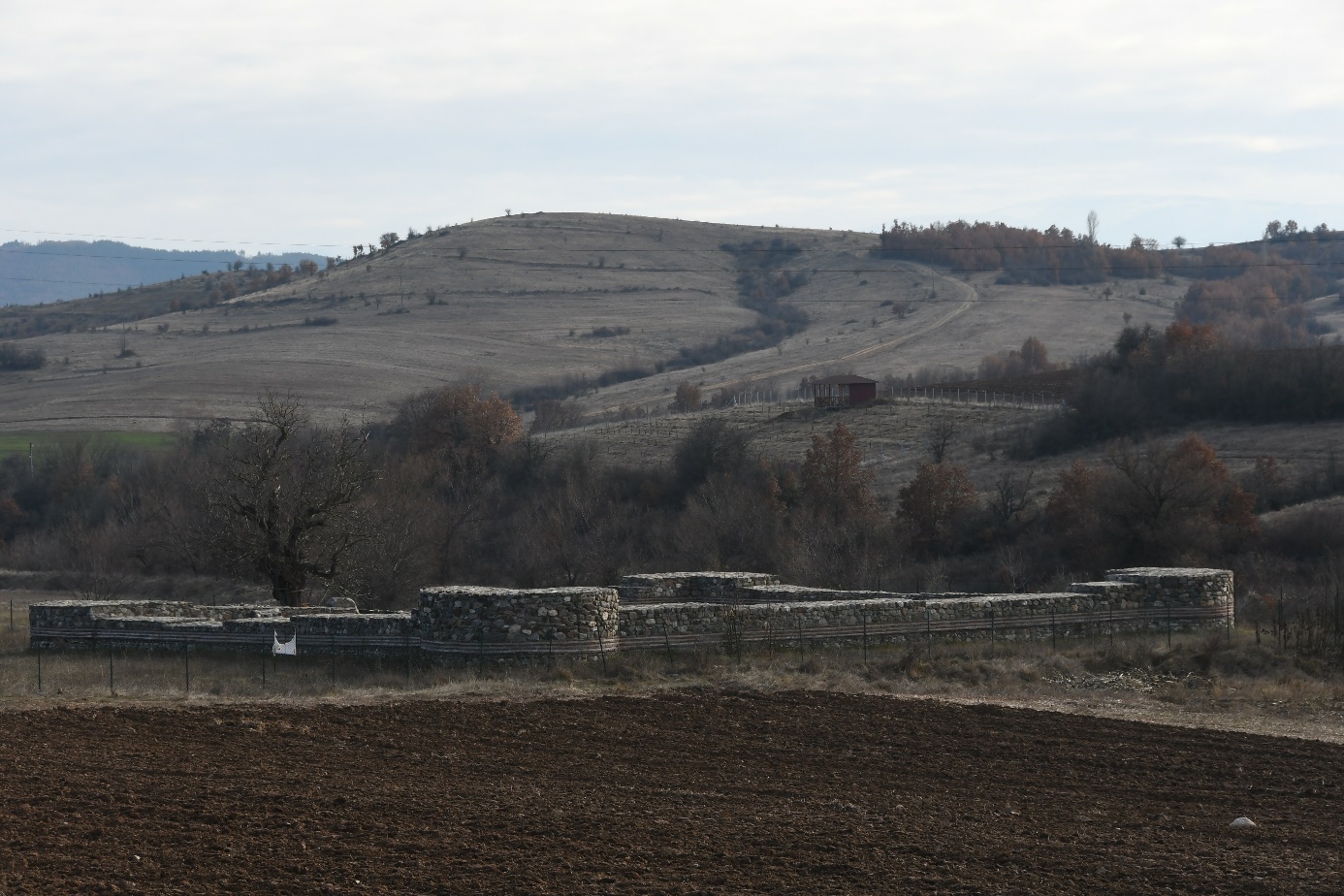
The building was constructed in the typical of the late-Roman fortress Opus Mixtum style meaning “mixed work”.
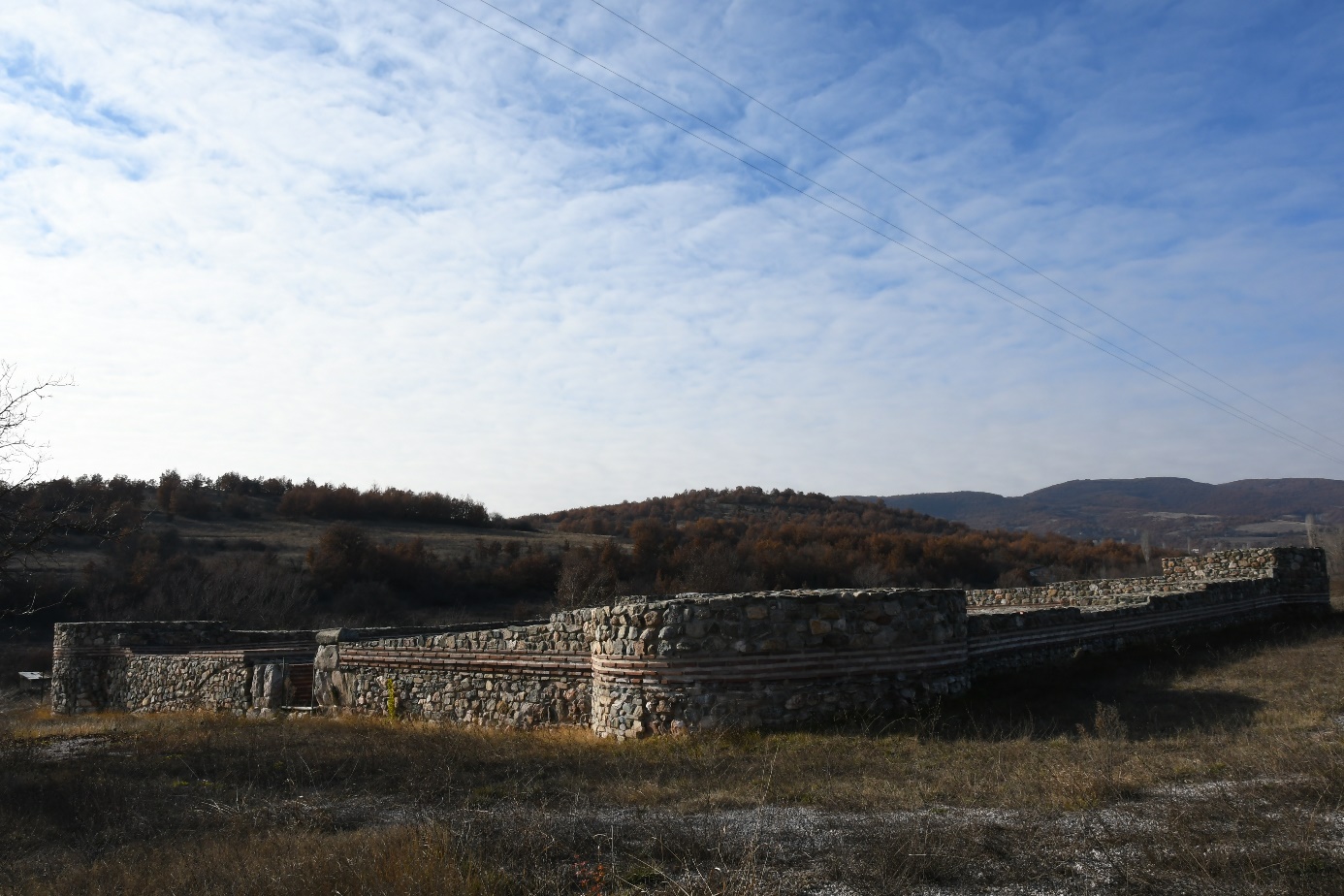
The building was functioning during the Middle Ages in the 9th -10th centuries too. An unfortified settlement from the Late Antiquity is also registered on the territory of the village.
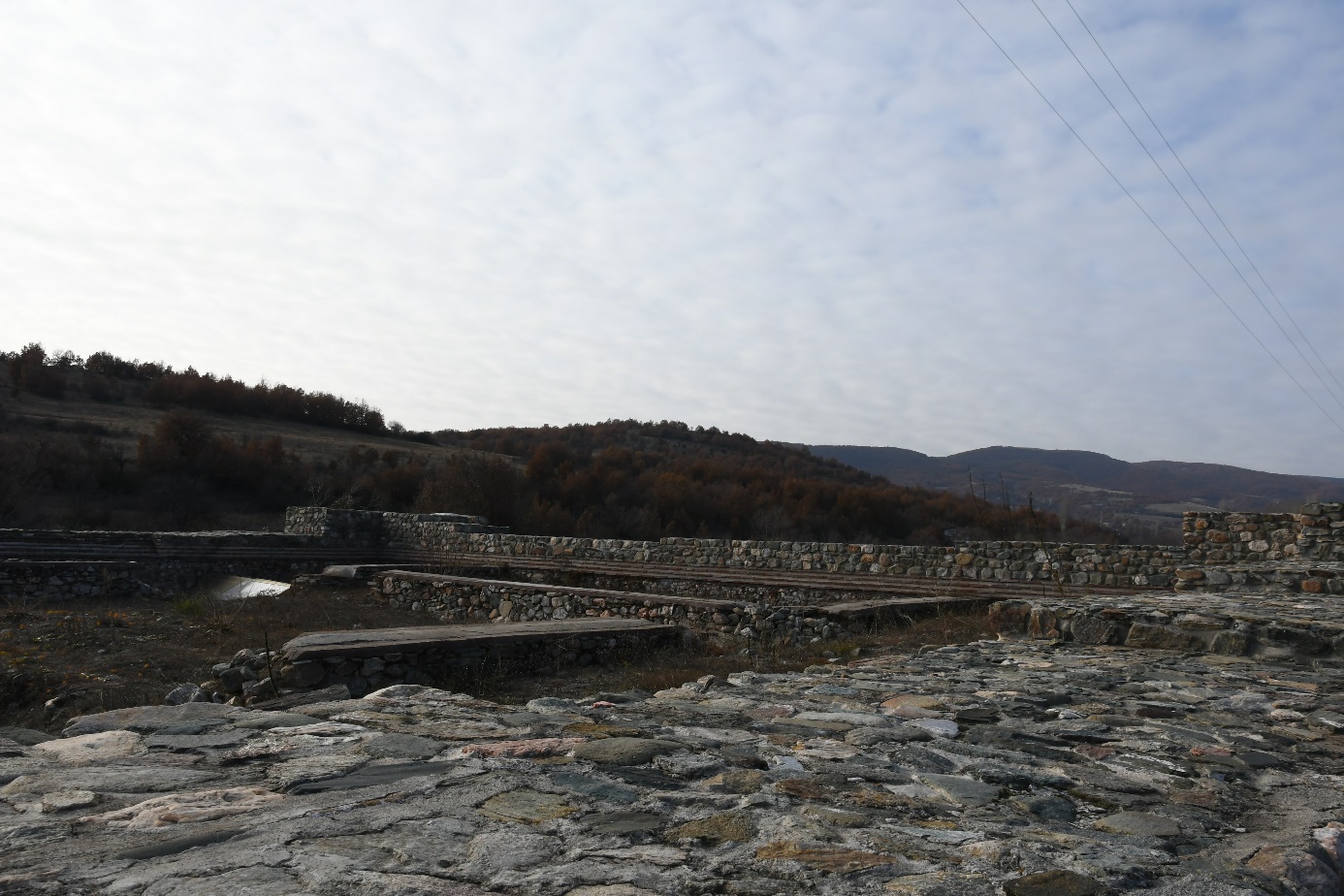
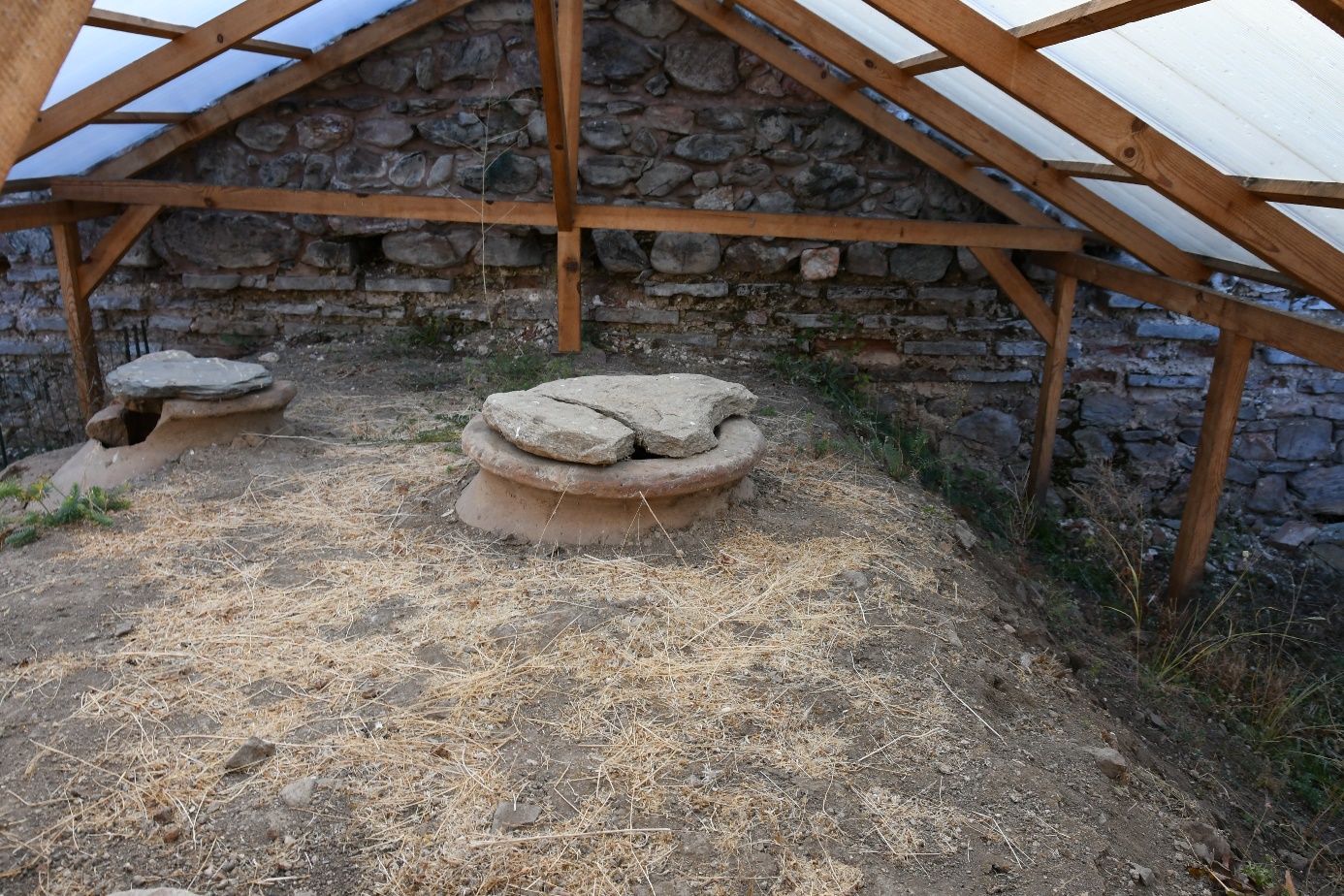
Today the late antique building has been restored and has become a cultural tourist attraction. The socialization of the monument was accomplished with funds from the European Union under the PHARE program – Cross-border Cooperation Program, Bulgaria-Greece.
The fortified late antique building near the village of Drenkovo is reached by an asphalt road from Blagoevgrad.
Regional History Museum of Blagoevgrad
The museum was founded in 1952 year. It has a well-established structure consisting of departments of “Archaeology”, “Ethnography”, “Bulgarian lands from the 15th to the beginning of the 20th century”, “New and Modern History”, “Nature”, “Art department”, “Funds”, “Public Relations”, modern laboratories for preservation and restoration.
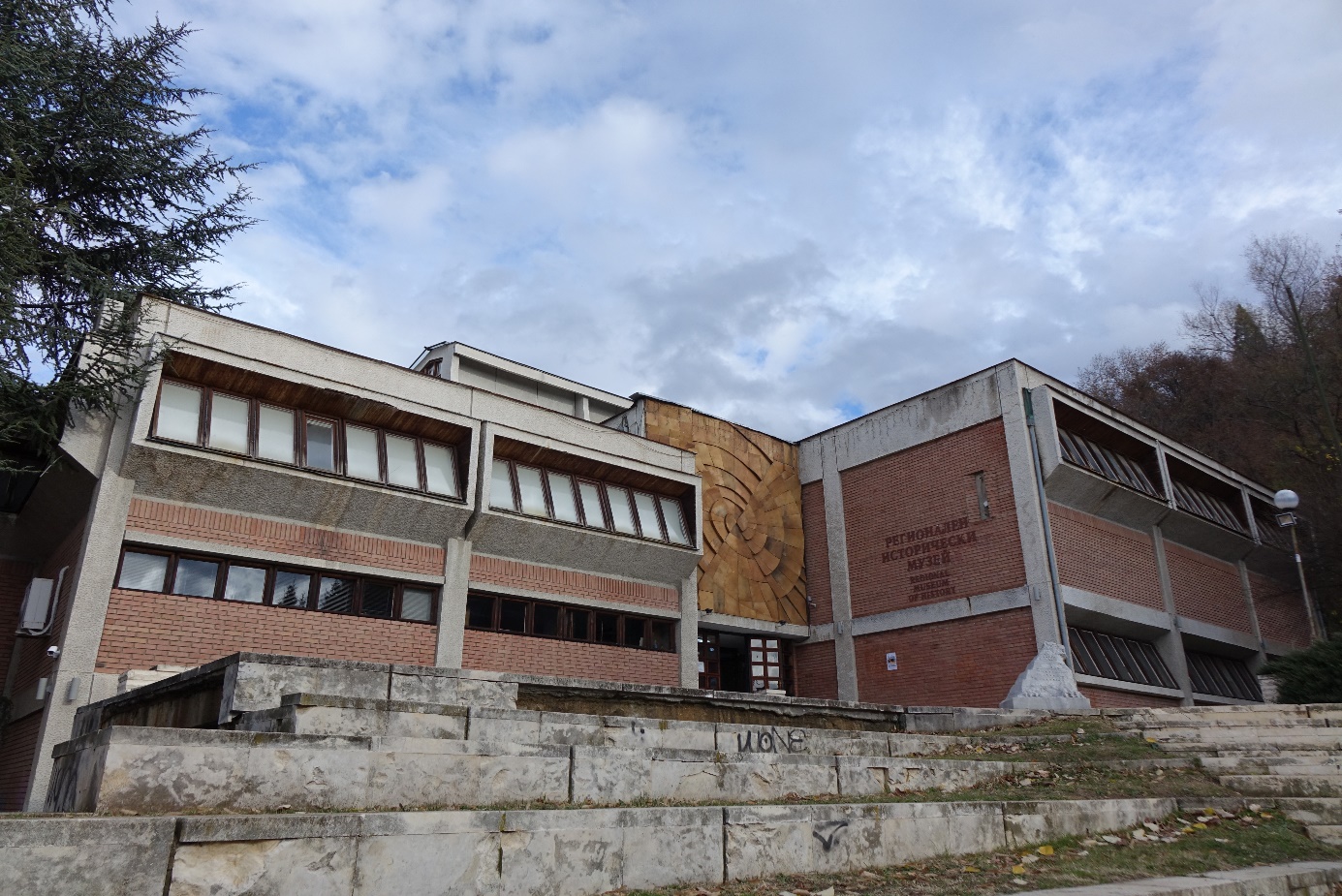
More than 60 Neolithic and Chalcolithic settlements were registered in Blagoevgrad region. The most significant researched prehistoric sites are the ones at the villages of Kovachevitsa, Balgarchevo, Topolnitsa, Damyanitsa, Kolarovo, Drenovitsa, Petrovo, Drenkovo, Strumsko and Ilinden. The materials found there number about 7000 artefacts which are kept in the Regional History Museum in Blagoevgrad. One of the earliest settlements in Europe – an early Neolithic settlement at the village of Kovachevo, dating back to the end of the 7th – the beginning of the 6th millennium BC, is situated in the region.
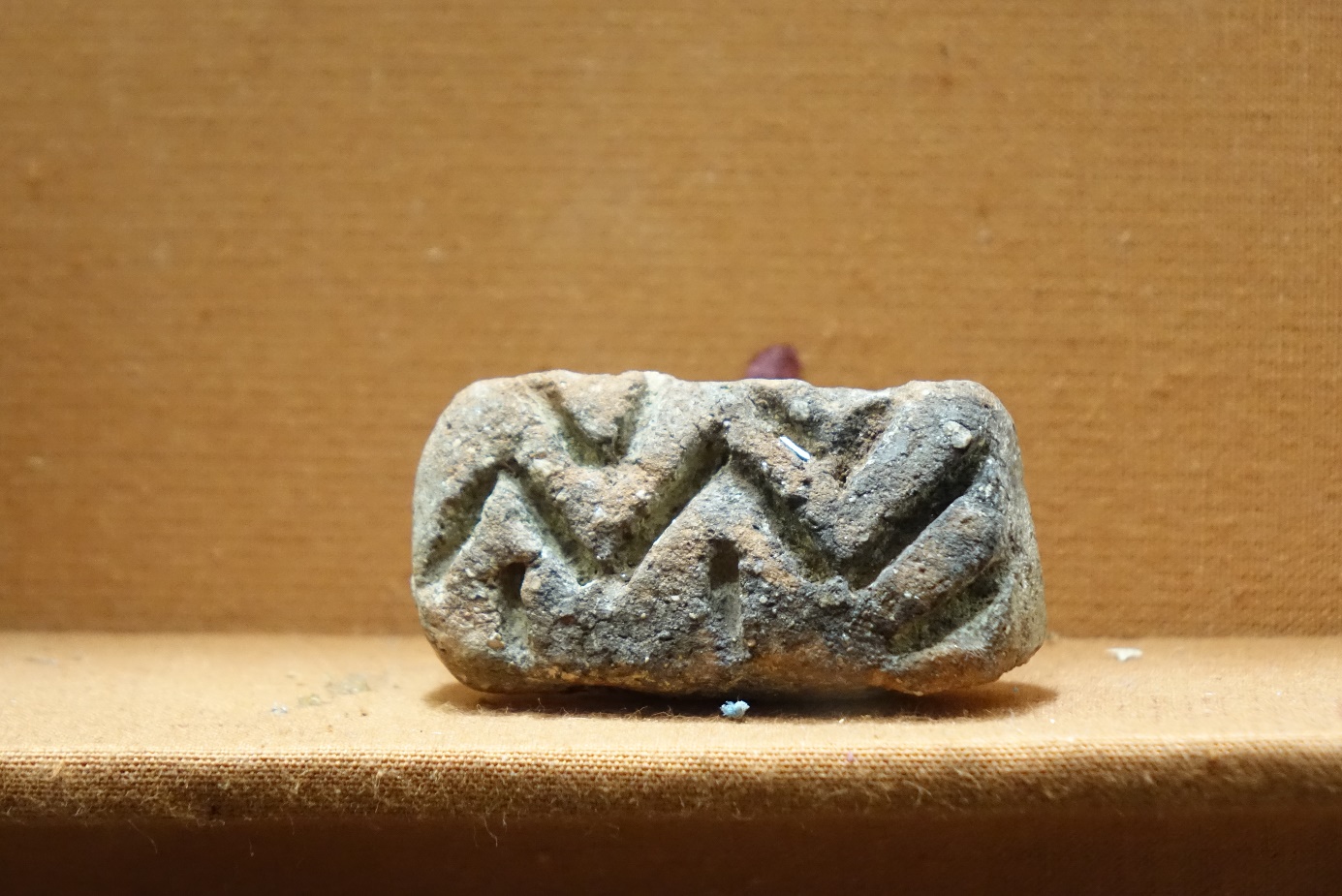
The Regional History Museum in Blagoevgrad has a big collection of early Neolithic clay stamps – pintaderi, found in the Kovachevo. It is the largest in Europe. The most significant clay stamps are exhibited in the “Prehistory and Antiquity” hall.
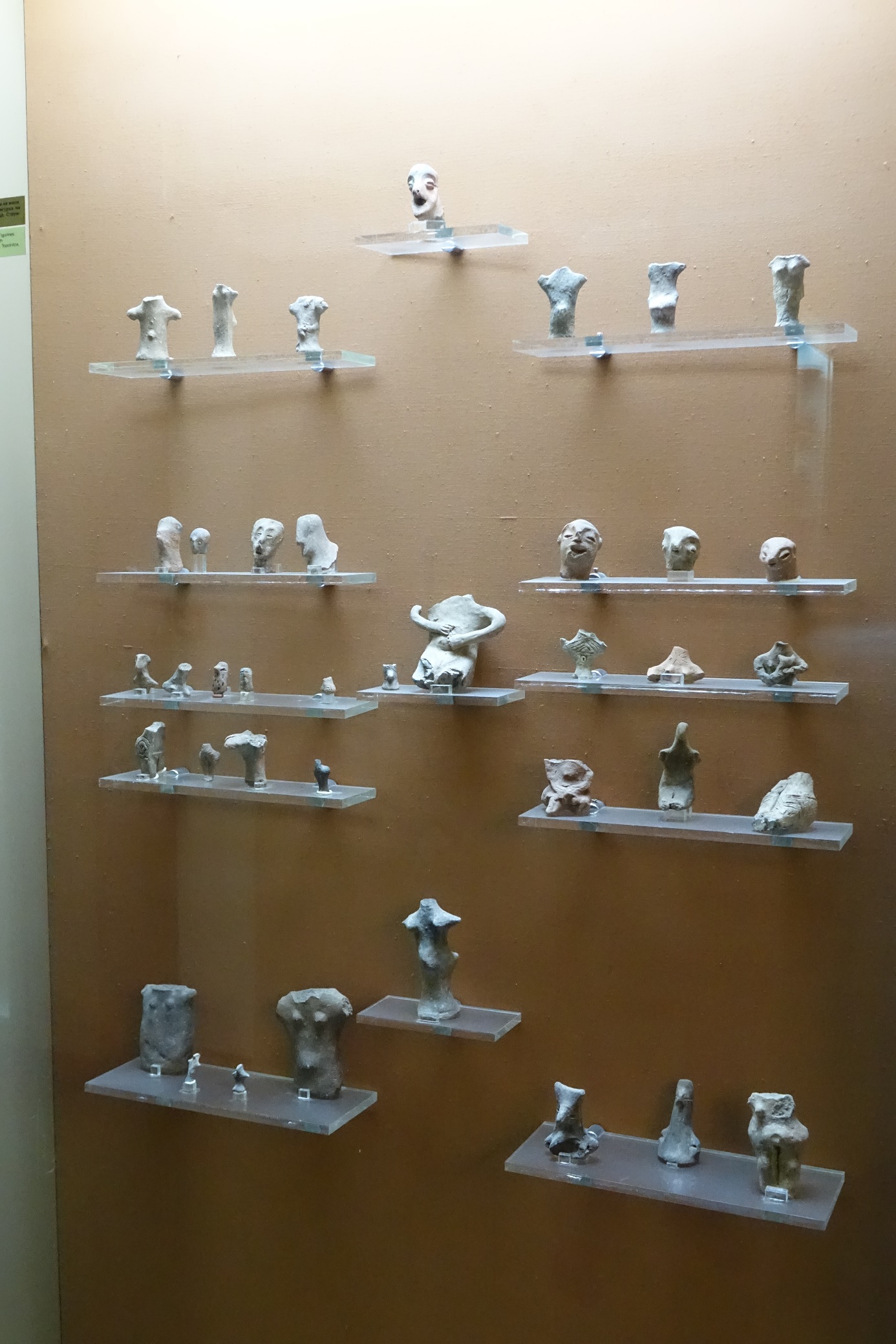
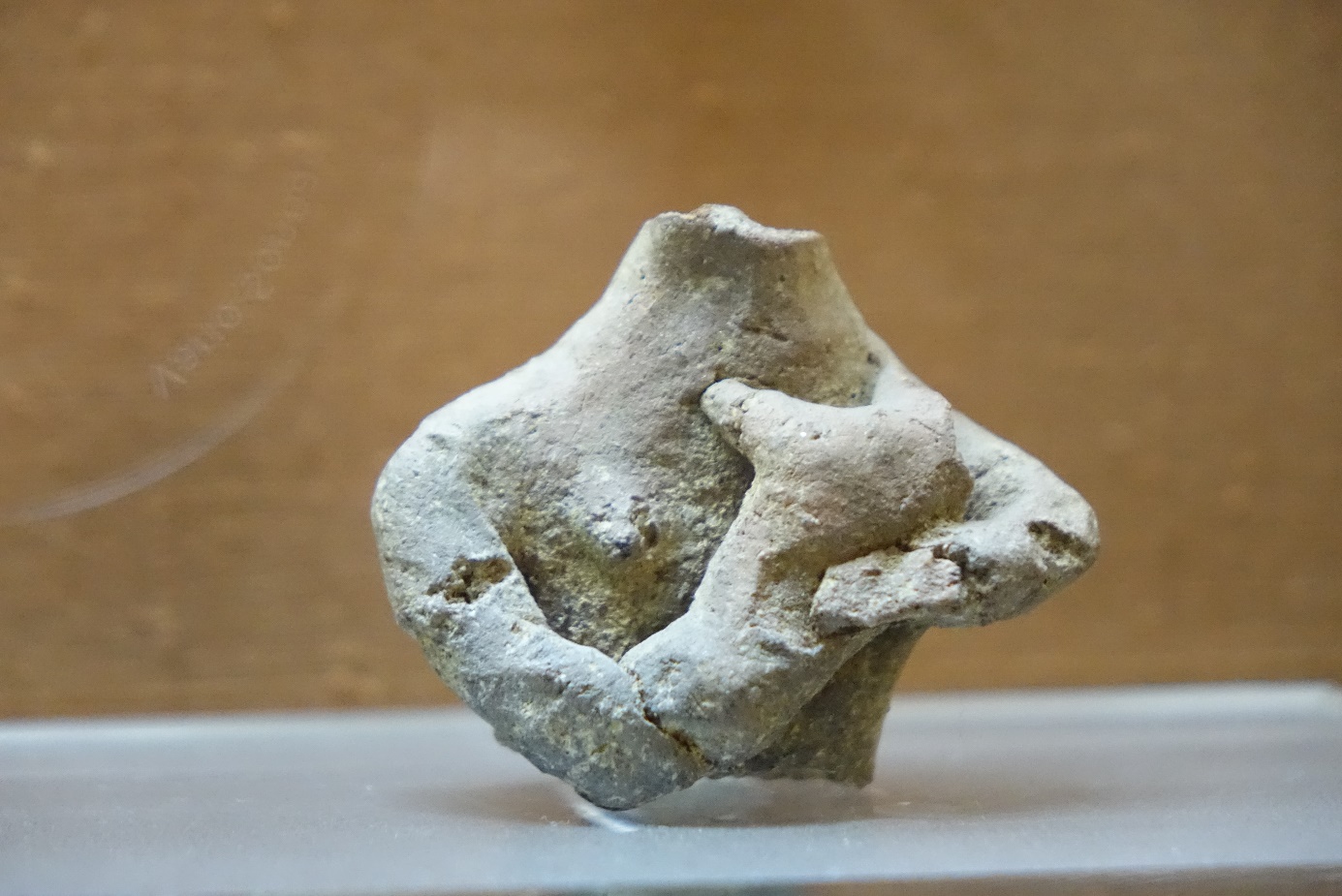
The museum has a remarkable collection of prehistoric clay cult figures representing mainly the Great Mother Goddess.
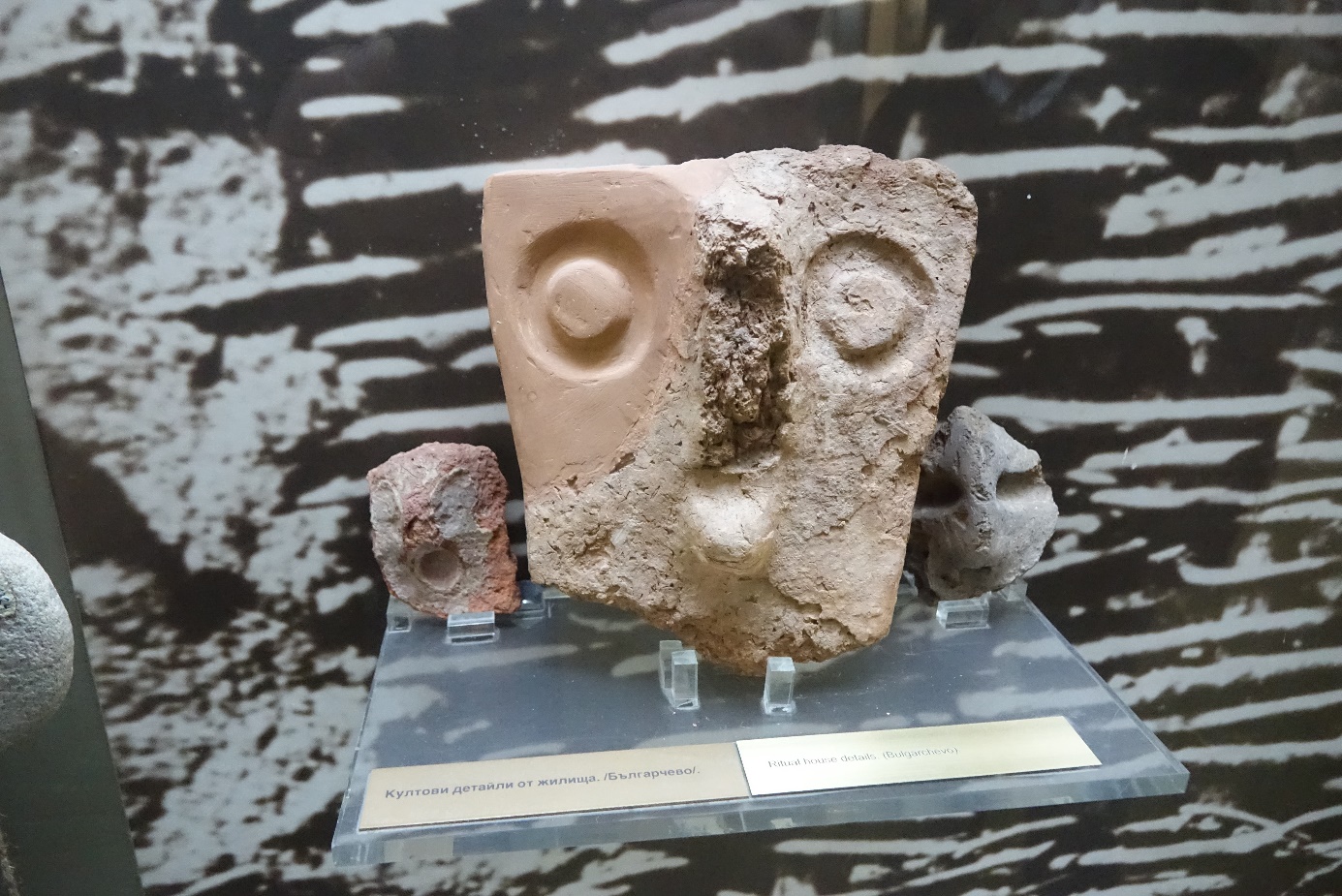
The relief clay mask from a prehistoric sanctuary near the village of Bulgarchevo is remarkable.
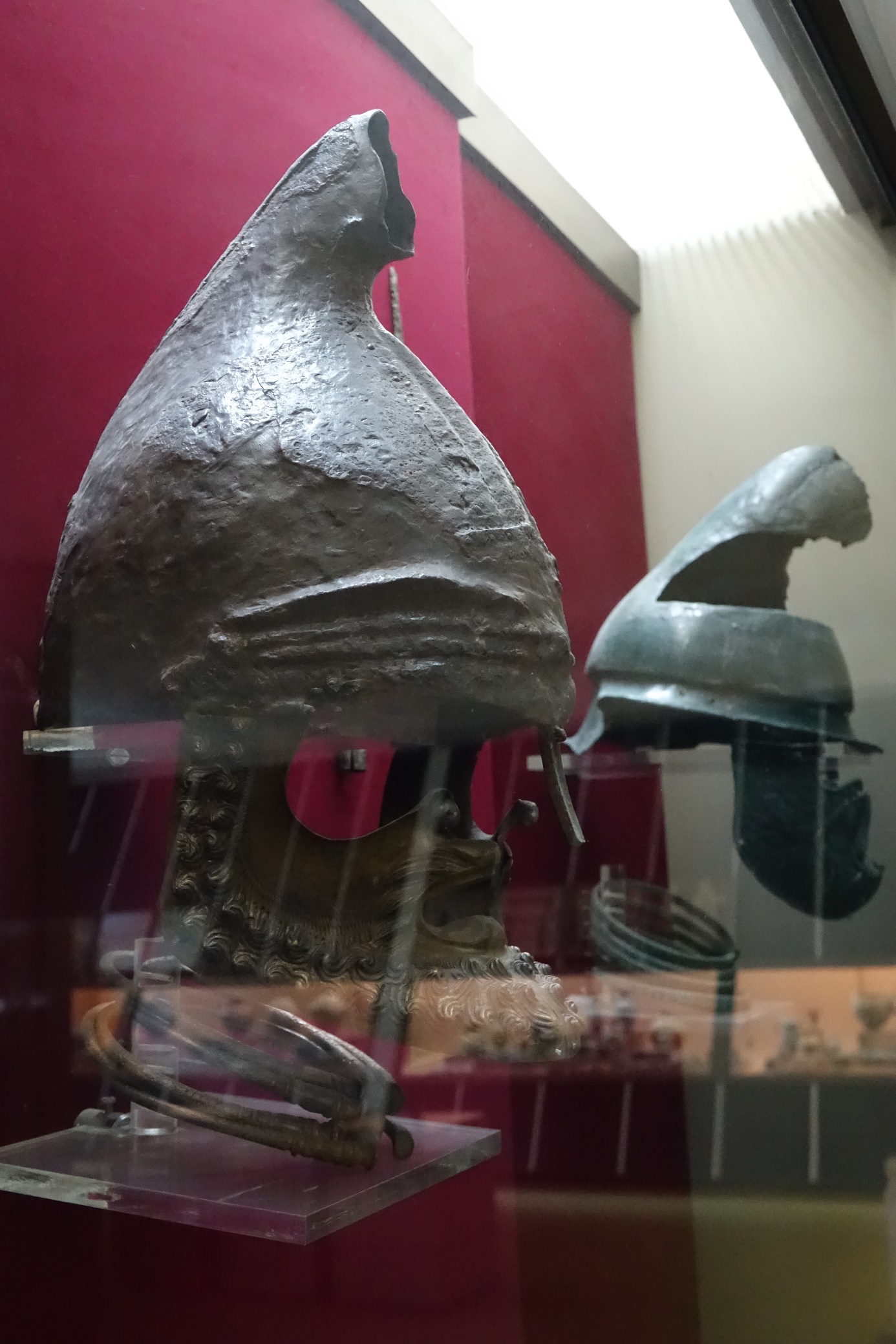
Unique samples of Thracian weapons from the region of the Western Rhodopes are exhibited.
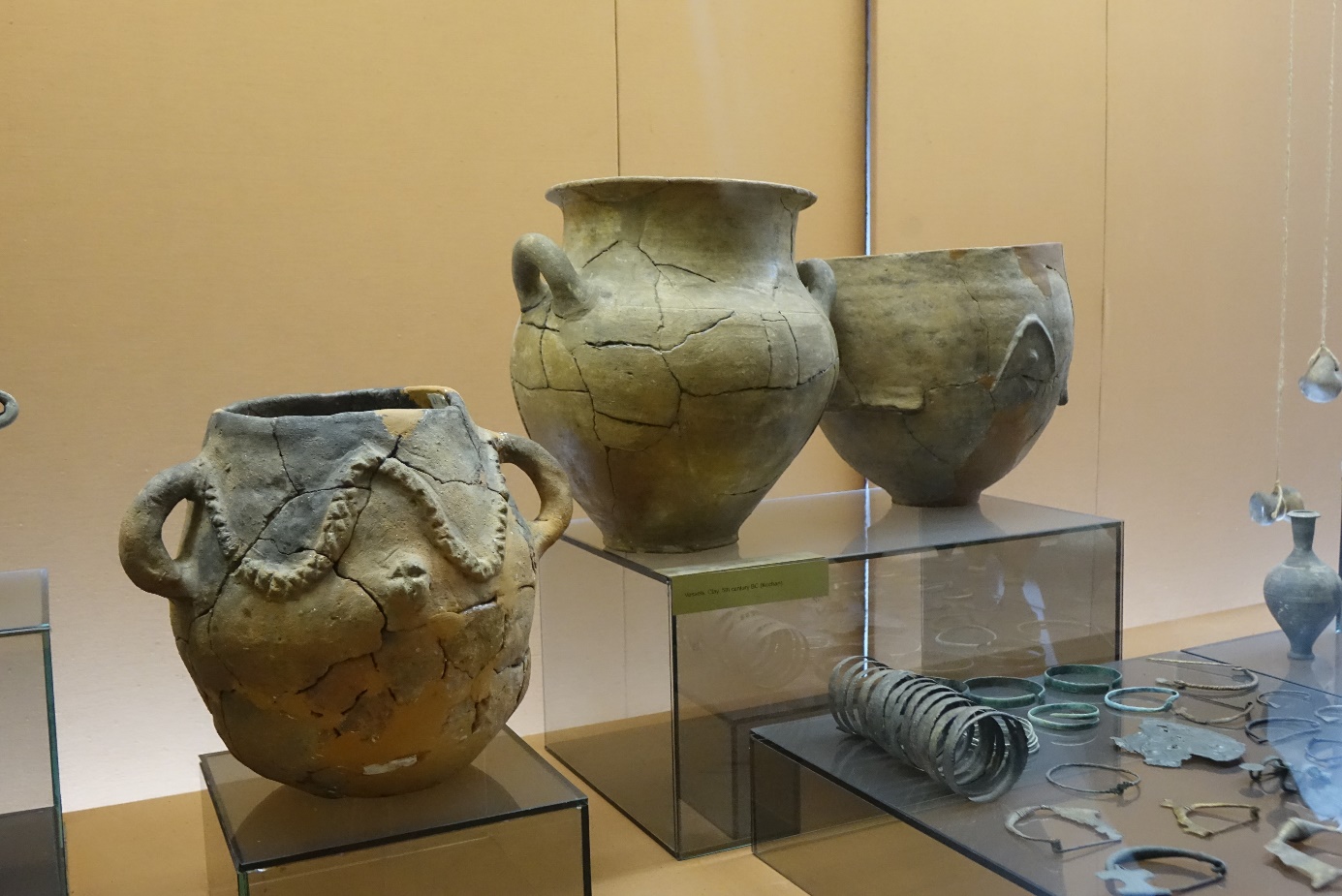
The famous ancient inscription from Skaptopara is presented here. It testifies about the Thracian-Roman settlement near the warm mineral springs preceding Blagoevgrad. In the same hall are exhibited some of the best samples and collections originating from the region of Southwest Bulgaria and owned by the museum – Thracian, Hellenic and Roman ceramics, metal vessels and tools of labor dating back to the antiquity, reconstructions of antique crafts and ancient Thracian funerary monuments. The collection of clay antique lamps is remarkable. They are richly decorated with plant, zoomorphic and anthropomorphic motifs.
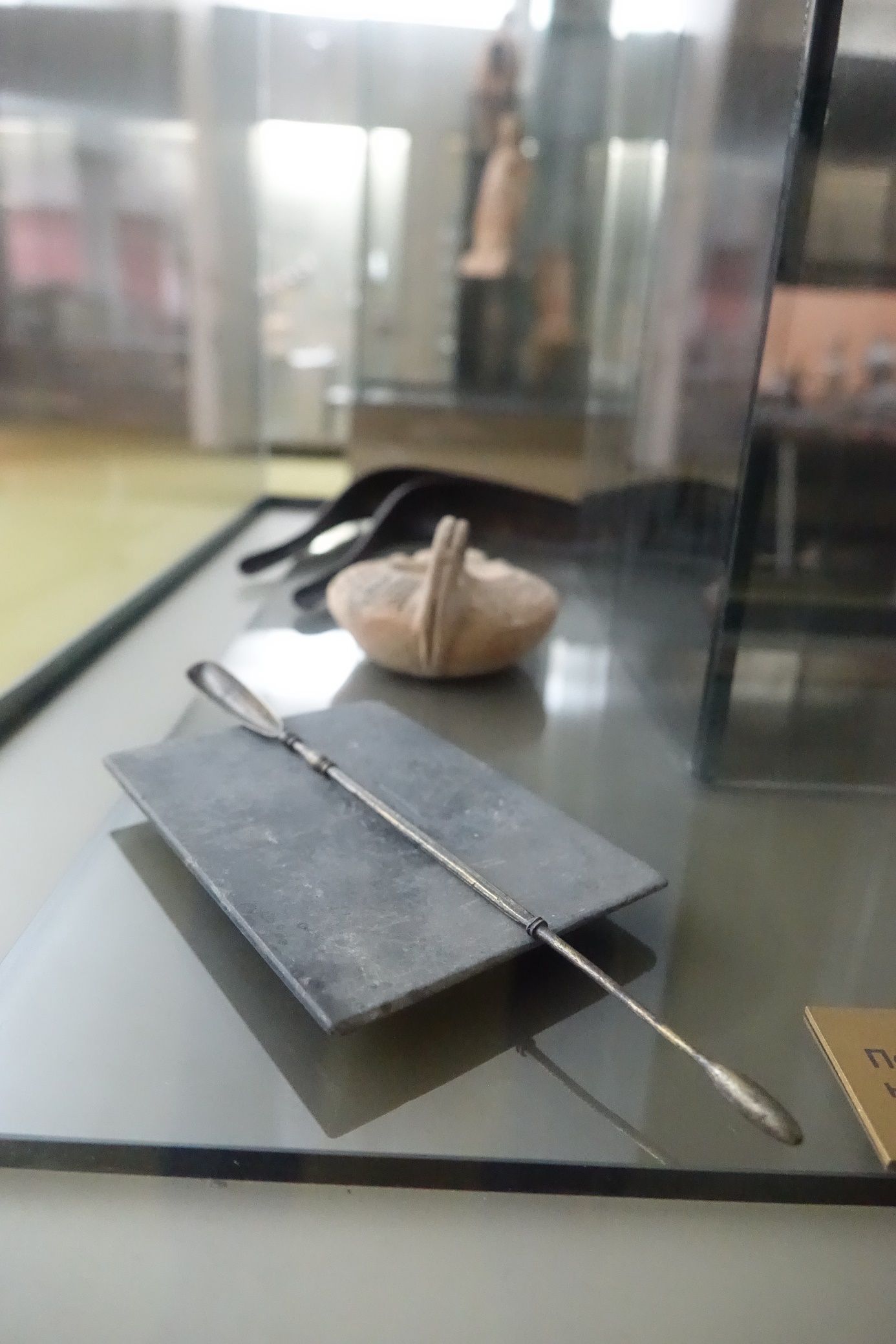
In one of the windows there is a unique set of medical instruments dating from the Roman era. They were discovered in a grave which was found near the town of Bansko by accident. The set consists of bronze and bone spoons for drug dosing, a stone tile for grinding and mixing of healing ingredients.
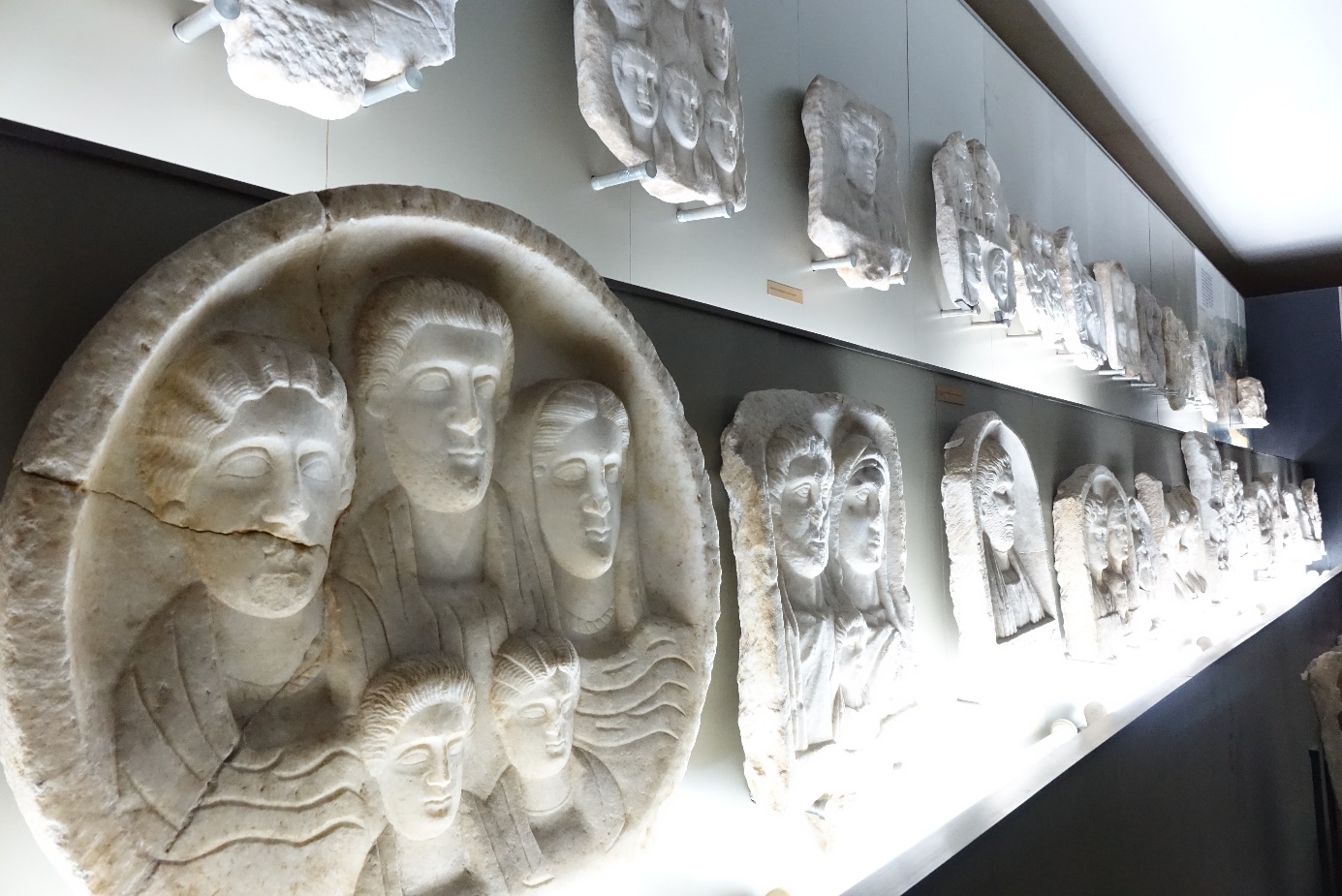
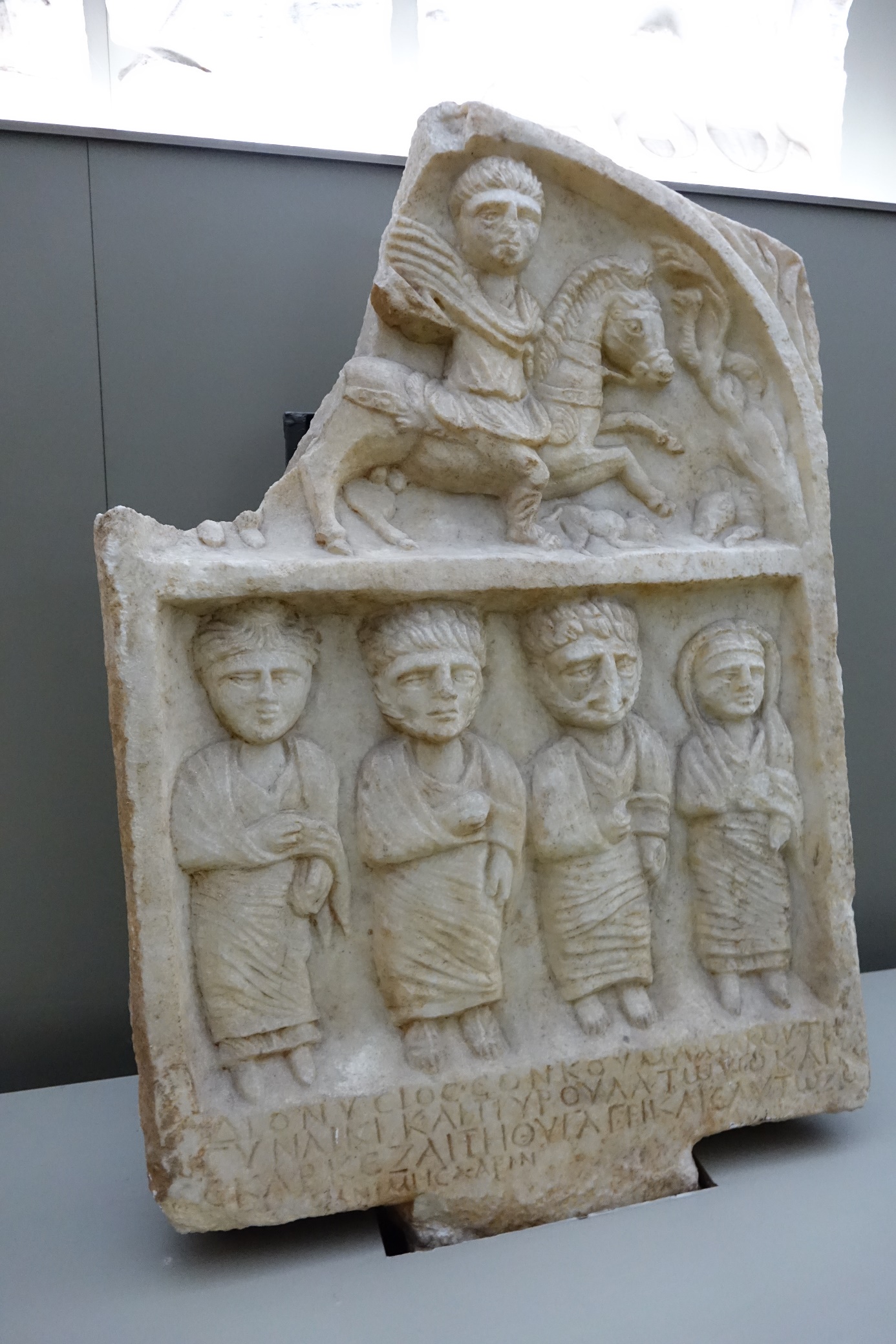
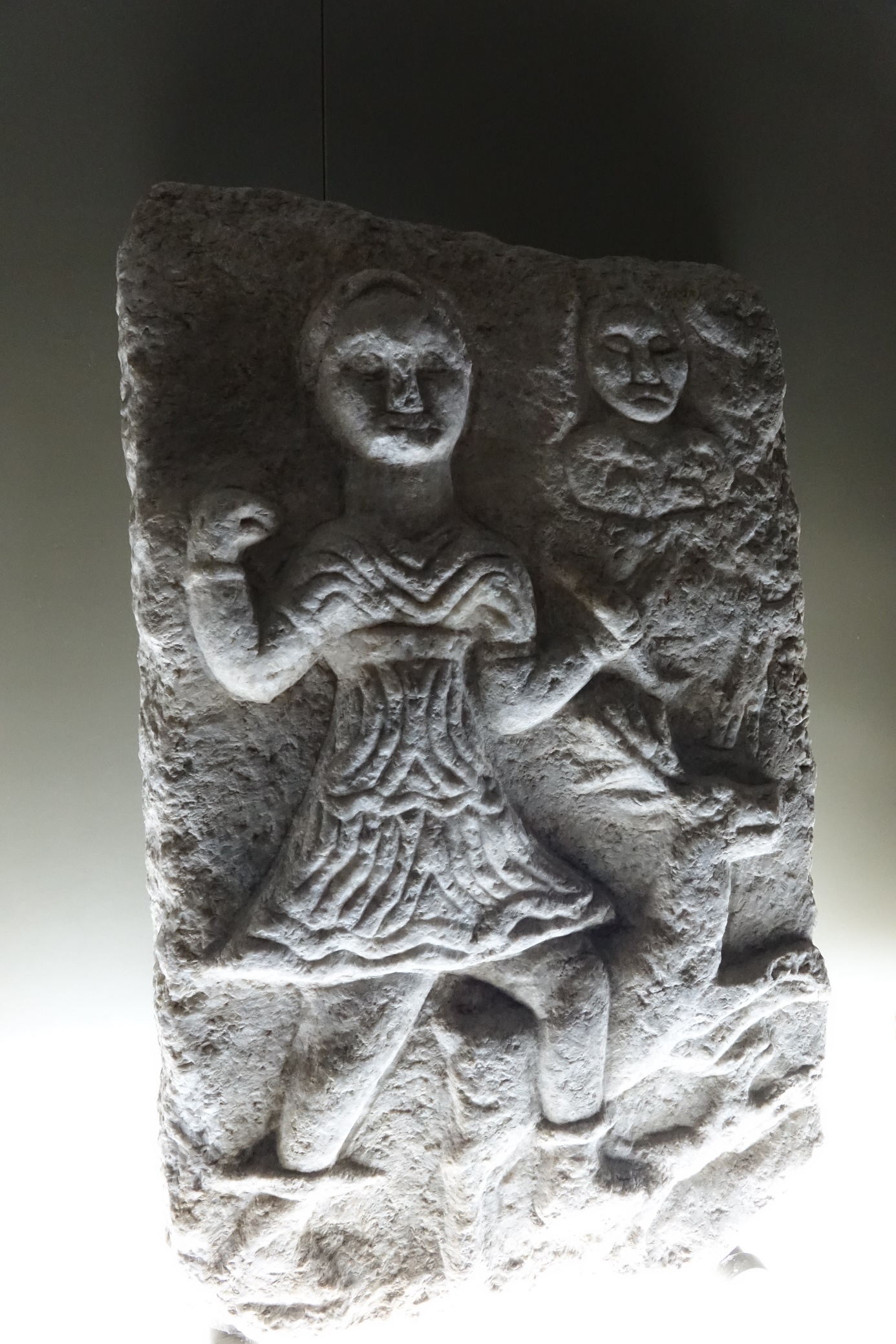
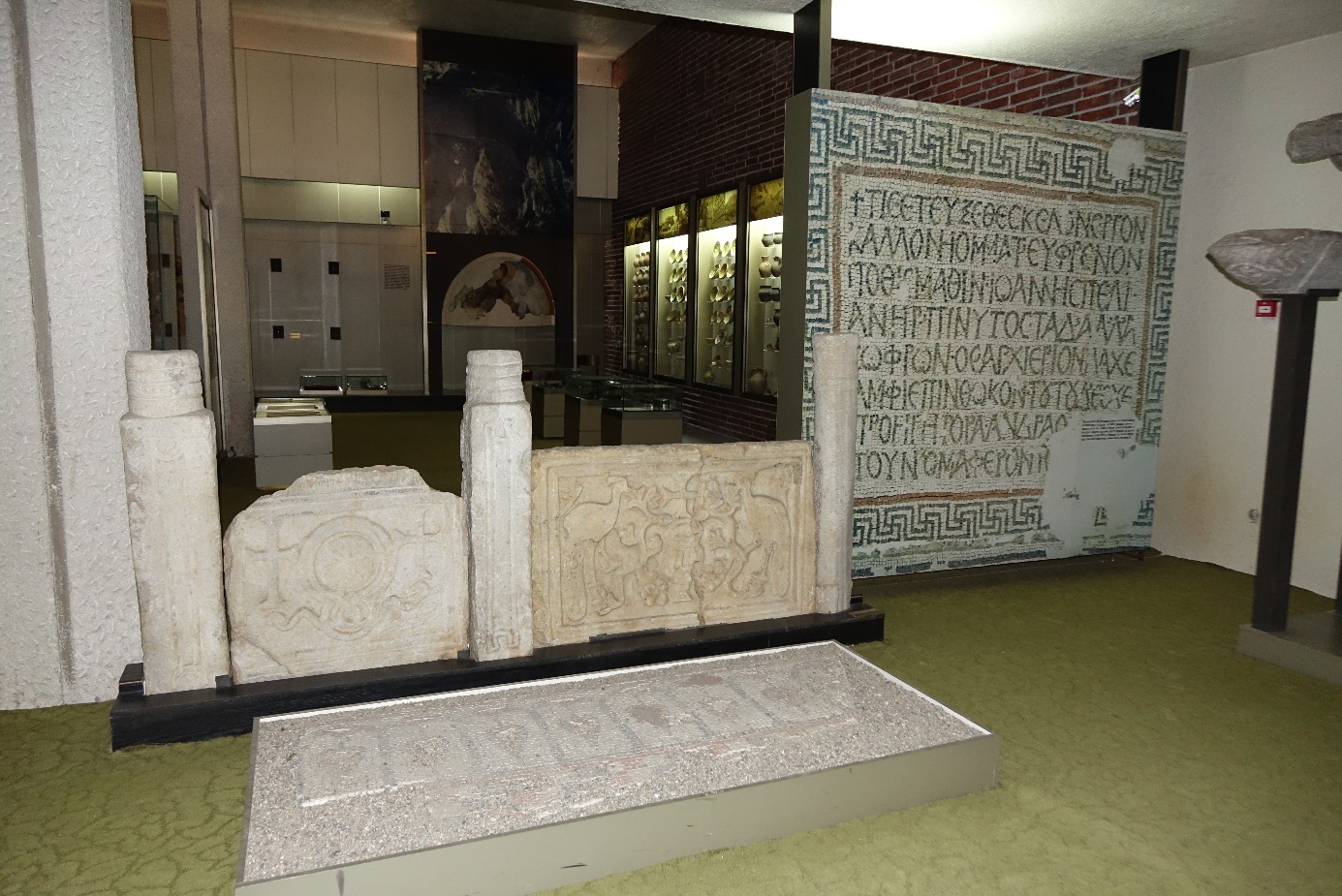
There is a rich collection of tombstones from the Roman era. In the Middle Struma valley, they form a very characteristic group which differs to a great extent from the monuments in the rest of Bulgaria, both in their size and shape, as well as in the depictions in the relief field. They find parallels in the Roman tombstones kept in the museums of Sandanski and Serres.
Unique clay colored masks of Satyr and Bacchantes (known also as maenads) who were members of the retinue of Dionysus – the god of wine and festivity are presented in the last showcase of the Prehistory and Antiquity hall.
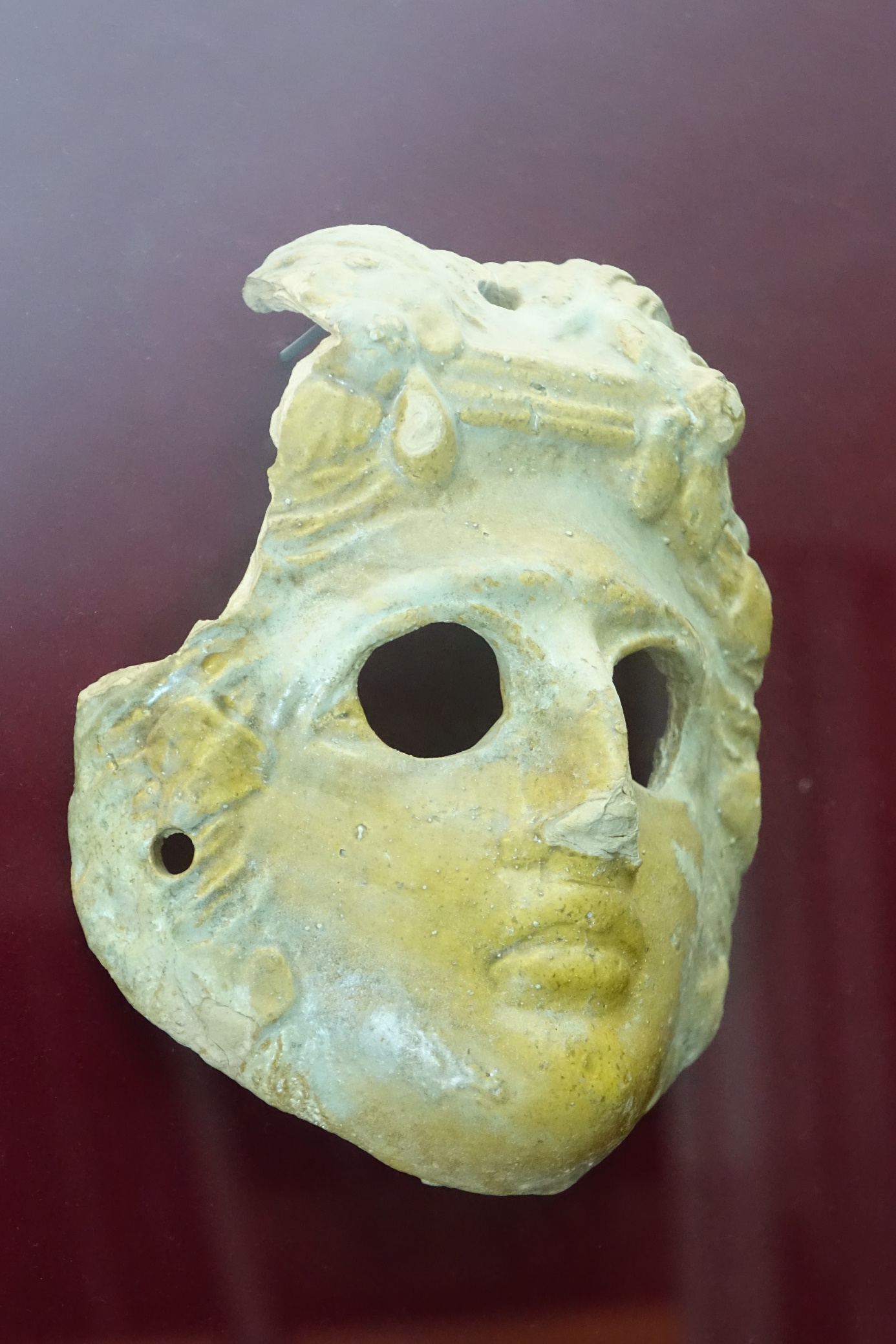
Monuments from the Early Christian era originating from the region are also exhibited.
Copyright: © 2019
Author:
Prof. Dr. Sc. Vassil Markov
South-West University “Neofit Rilski”
Translated by:
Dr. Ruska Krasteva
South-West University “Neofit Rilski”
Images:
Prof. Dr. Sc. Vassil Markov
South-West University “Neofit Rilski”
Katerina Peristeri
Chief Archaeologist at Amphipolis until 2016
Dr. Krum Ivanov
South-West University “Neofit Rilski”
Map data:
 Routes for Cultural Tourism in the Cross-Border Region Bulgaria-Greece